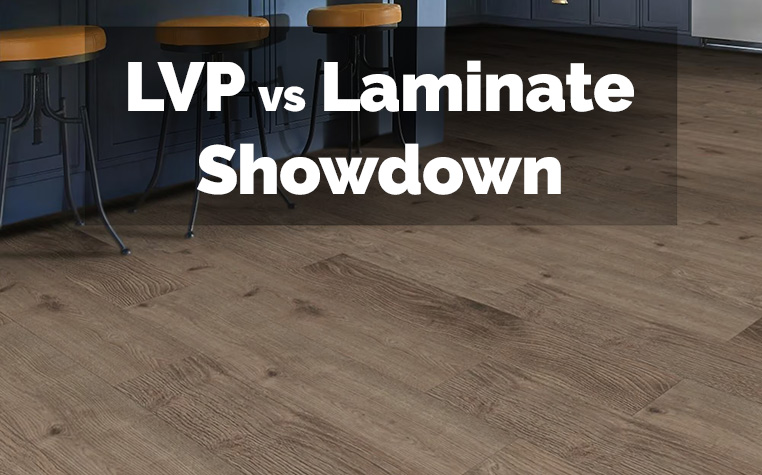
If you're deep into the DIY "best bang for buck" showdown between LVP vs laminate for 2026 households, here's something that might surprise you right out of the gate: entry-level laminate flooring starts at just $0.89 per square foot in 2026, making it the most affordable hard-surface option for budget-conscious DIYers. But cheap upfront doesn't always mean cheap in the long run, and that's exactly where this comparison gets interesting. We'll be straight with you: there may not be a clear winner here. What there is, though, is a whole lot of useful information that should push you toward the right decision for your home.
Key Takeaways
- Laminate flooring is less expensive than luxury vinyl plank (LVP) upfront, making it the go-to for pure budget shoppers who want a wood-look floor without breaking the bank.
- LVP is 100% waterproof for the full lifetime of the floor. Laminate is typically not waterproof, though some newer versions offer limited moisture resistance.
- Color selection is similar between the two products. Both offer a wide range of wood-look tones, grains, and plank widths that suit most home styles.
- DIY installation is beginner-friendly for both. Most LVP and laminate products use a floating click-lock system that any motivated homeowner can handle.
- Room placement matters a lot. LVP wins in wet areas like bathrooms, basements, and kitchens. Laminate is perfectly fine in dry living spaces and bedrooms.
- Long-term maintenance costs tend to favor LVP, especially in homes with kids, pets, or any moisture risk whatsoever.
- Browse our full laminate flooring collection and our luxury vinyl plank collection to compare options side by side.
What Are We Actually Comparing? Luxury Vinyl Flooring vs Laminate Flooring Basics
Let's call it like it is. Both LVP and laminate are floating floor products that look like hardwood. Neither one IS hardwood. But not always does that matter.
Laminate flooring is made from a high-density fiberboard (HDF) core with a photographic layer on top that mimics wood grain. It's topped with a clear wear layer for protection. LVP, which stands for luxury vinyl plank, is made entirely from synthetic vinyl layers and topped with its own wear layer.
The core material is the key difference. HDF absorbs moisture. Vinyl does not. That single fact drives most of the comparison you're about to read.
Both products are installed as floating floors, both use a click-lock system, and both are available in a wide range of colors and plank widths. From a visual standpoint, most guests walking into your home will have absolutely no idea which one they're standing on.
The Price Factor: Which Flooring Gives You the Best Bang for Buck Upfront?
Here's the straight answer on cost: laminate flooring is less expensive than luxury vinyl plank. That's not spin, that's just fact.
Laminate typically runs cheaper per square foot than comparable LVP, and at the entry level, the gap can be noticeable. If you're covering a large square footage on a tight budget, that difference adds up fast. It's one of the reasons laminate remains one of the most popular cheap flooring options in 2026.
That said, LVP at warehouse-direct prices (like what you'll find here at Really Cheap Floors) narrows that gap considerably. We stock vinyl plank flooring at prices that the big-box stores simply can't touch, because we've spent over 50 years perfecting the art of the deal.
For pure upfront cost per square foot, laminate wins. But when you factor in the full picture, including longevity, room placement, and what it might cost you if something goes wrong, the math starts to shift.
Check out the Peachtree Classic Dusty Gray LVP for a great example of a discount vinyl plank option that delivers serious value without the serious price tag.
Key Differences? Just One. Waterproofing.
This is where the DIY "best bang for buck" gets really interesting. And honestly, for a lot of homeowners, this one point alone will decide the whole debate. Vinyl flooring is waterproof. Full stop. It's a lifetime waterproofing asset. You can mop it, flood it, and put it in a bathroom with no drama. The vinyl core doesn't swell, buckle, or warp when it gets wet.
Laminate is a different story. The typical HDF core is wood-based, and wood doesn't love water. Traditional laminate is not waterproof, full stop. Some newer versions of laminate have improved water resistance, but even those typically offer only a limited protection window before moisture causes damage. We're talking 24 to 72 hours of moisture protection at best before issues can start. That is not the same as waterproof, and we don't want anyone confusing the two. Laminate flooring is typically more affordable than vinyl to make the point.
If you're installing flooring in a kitchen, laundry room, basement, or bathroom, vinyl flooring is the smarter call. Every time. If you're putting it in a second-floor bedroom or a dry living area, laminate is a perfectly capable and significantly more affordable and a more quiet underfoot option too.
DIY Installation for 2026 Households: How Hard Is It Really?
Good news here. Both products are beginner-friendly.
Laminate and LVP both use a floating click-lock installation method. You don't glue it down. You don't nail it down. You click the planks together and float the floor over your subfloor. If you can operate a tape measure, a utility knife, and a tapping block, you can install either one of these products yourself.
LVP tends to be slightly more forgiving on uneven subfloors because of its flexible vinyl construction. Laminate is stiffer and requires a flatter subfloor for best results. Neither product requires hardwood flooring-level skills, and that's a big part of why they're so popular with the DIY crowd in 2026.
Pro tip from us: always acclimate your flooring to the room before installation. Let both floor types sit in the room for 48 hours before you start reduces expansion and contraction issues after it's installed.
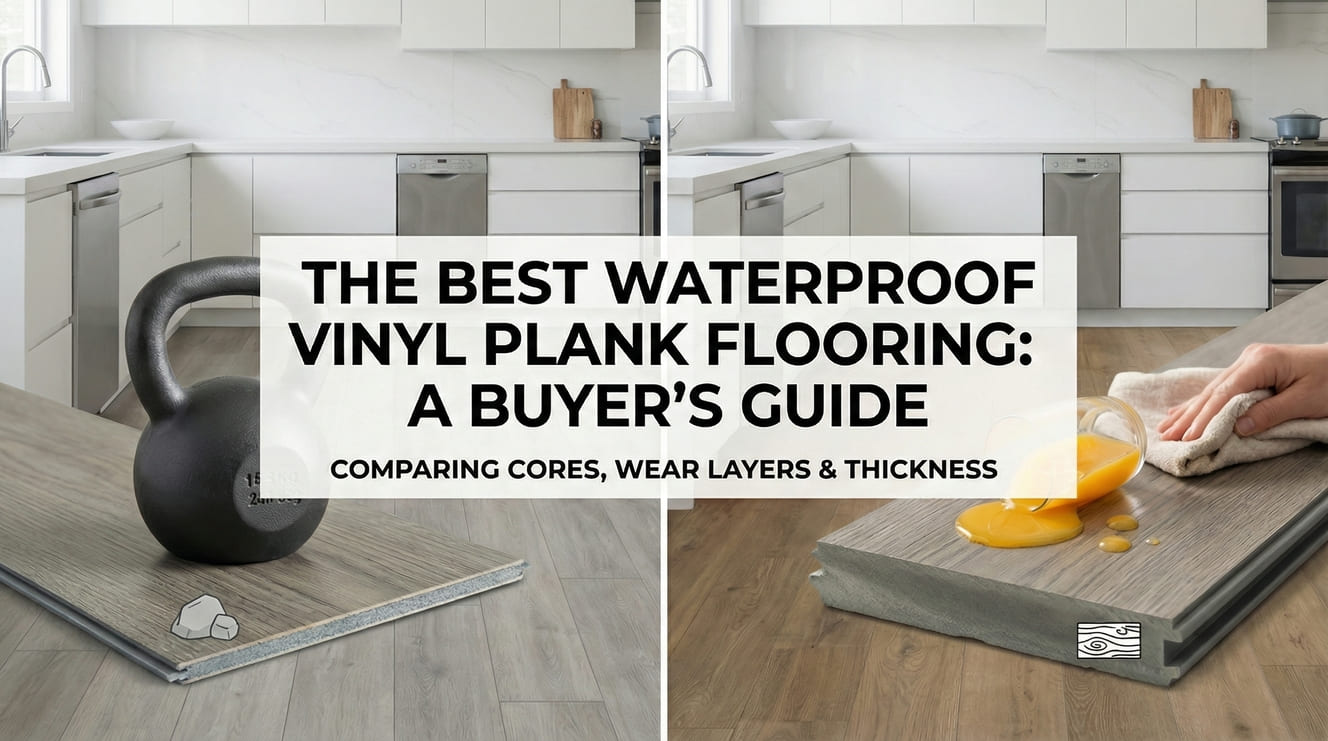
A concise side-by-side of the 5 key differences between luxury vinyl plank (LVP) and laminate flooring. Learn which option delivers the best value for 2026 households.
Style and Color: Does the LVP vs Laminate Showdown Produce a Design Winner?
Here's one area where the two products are more alike than different. Both laminate and vinyl plank flooring offer a similar overall color selection. You'll find light oak tones, rich espresso browns, warm honey hues, cool gray washes, and everything in between in both categories.
Both mimic the look of hardwood flooring convincingly. Most people who aren't flooring professionals cannot tell the difference once either product is installed. We're not spewing jibberish when we say that modern printing technology has made both options look genuinely great.
Where LVP has edged slightly ahead in recent years is in texture realism. The embossed surface on higher-end vinyl plank products has gotten really good. But laminate has kept pace, and at the discount end of the market, you'll find quality product in both categories.
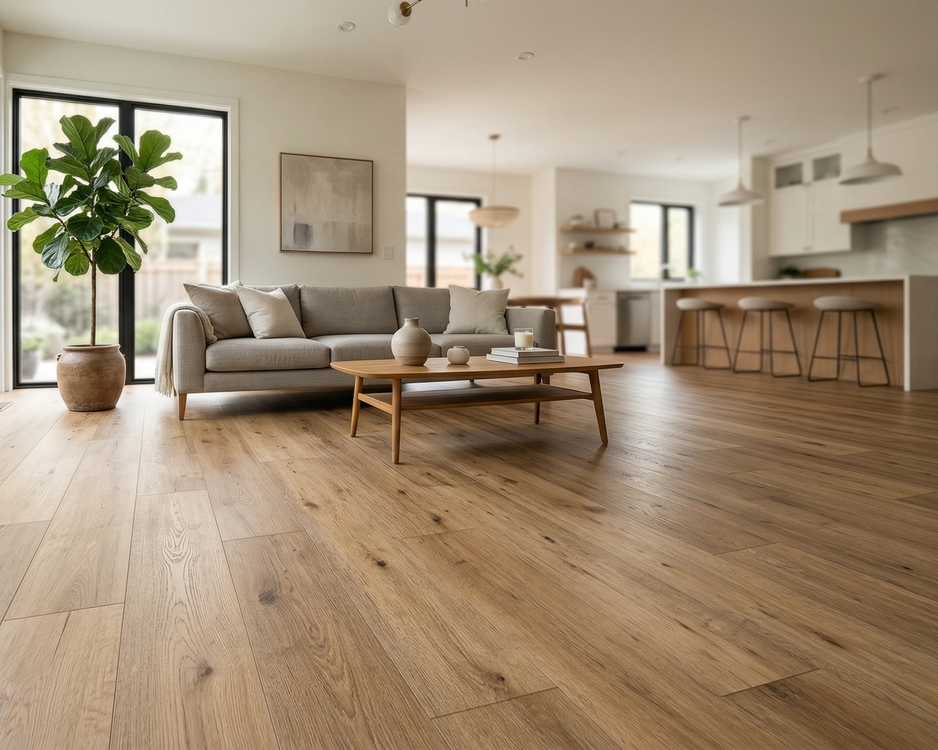
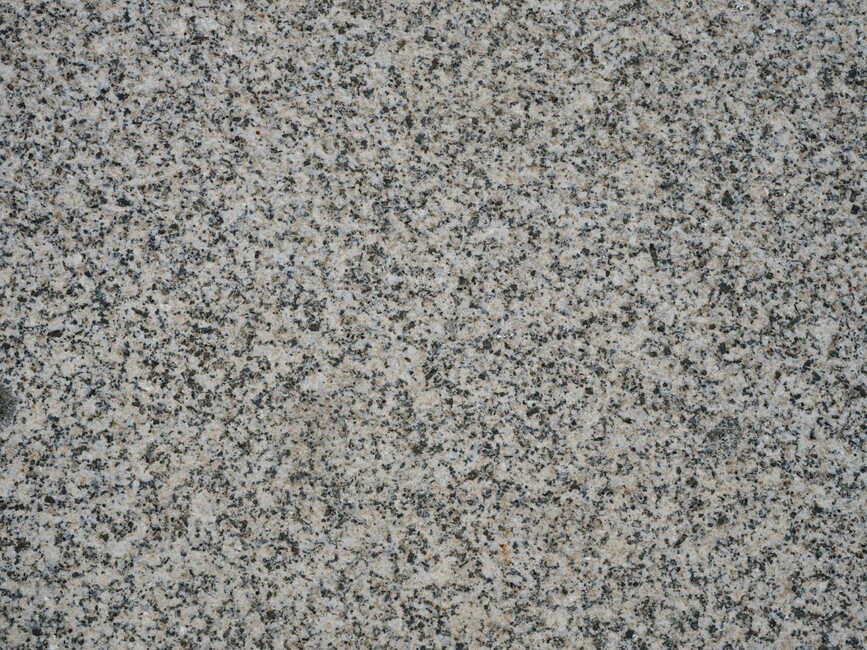
Take the Landscape Traditions Great Harvest laminate as a perfect example. Light brown, beautifully embossed texture, wood-grain detail that looks genuinely like hardwood. Or look at the warm, inviting room scene from the Back Home Warmth of Home laminate to see what a well-designed laminate floor can do for a living space.
Best for Specific Rooms: Where Each Flooring Option Belongs
This section might actually be the most useful thing in this whole article. Room placement is where most DIYers make their biggest flooring mistakes.
- Basement: LVP, no question. Moisture from concrete slabs is unpredictable. You want a fully waterproof vinyl plank floor down there.
- Bathroom: LVP. Always. Laminate and bathrooms are not friends.
- Kitchen: LVP is the safer call. Spills happen, dishwashers leak, and pipes fail. A full waterproof floor is a smart investment here.
- Living room: Both work great. Laminate is a perfectly fine, cost-effective choice in dry living areas. You'll save money and get a beautiful floor.
- Bedroom: Laminate is ideal here. No moisture risk, and the softer underfoot feel of laminate actually works nicely in sleeping areas.
- Home office: Either product works. If budget is the primary concern, go laminate. If you want the durability and peace of mind, go LVP.
The Valley Terrain Landscape Contours laminate (check it out here: Valley Terrain Landscape Contours) is a great example of a laminate that looks stunning in a dry living room or bedroom setting, with that embossed-in-register texture that adds real depth.
Long-Term Value: The "Bang for Buck" Calculation Beyond the Sticker Price
Here's where the DIY "best bang for buck" showdown: LVP vs laminate for 2026 households gets more nuanced. Cheap upfront is great. But what does the floor cost you over 10 or 15 years?
Laminate, if installed in the right rooms and maintained properly, lasts a long time. The problem is that one moisture event, one flooding dishwasher, one bathroom overflow, can destroy a laminate floor completely. Replacement costs money. Moving furniture costs time. It adds up.
LVP sidesteps that risk entirely. And compared to real hardwood flooring, the savings over time are dramatic. Which is exactly why when you realize that you can often buy a brand-new floor for less than the cost of fixing a water-damaged one, the math starts to point toward a total refresh instead of a repair.
That long-term maintenance savings advantage extends into the LVP vs laminate debate too, particularly if you're installing flooring in a moisture-prone zone. A vinyl plank floor you buy at warehouse-direct pricing today can easily outperform a cheap laminate floor that has to be replaced in year three after a water event.
Top Products Worth Considering in 2026
We carry both categories, and we're proud of the options we've put together this year. Here are a few we'd point you toward depending on where you land in this comparison.
For LVP shoppers: The Peachtree Classic Whiskey Barrel LVP features a 12 mil wear layer and delivers that warm, rich brown tone that works in almost every room. The room scene says it all.
For laminate shoppers: The Back Home Warmth of Home laminate is one of our favorite cheap flooring options in the laminate category right now. Warm tones, great texture, and a look that plays nicely with almost any decor style.
Want to see the full spread? Browse everything we carry in our LVP flooring shop and our laminate flooring shop to compare at warehouse prices.
Conclusion
So who wins the DIY "best bang for buck" showdown: LVP vs laminate for 2026 households? Honestly, it depends on your home. That's not a cop-out, that's the straight answer.
Laminate flooring is less expensive than luxury vinyl plank. That is a real advantage that matters for a lot of budgets. The color selection is comparable, the DIY installation is similarly approachable, and in the right rooms, laminate performs beautifully for years.
But LVP is a full lifetime waterproofing asset. It goes places laminate simply cannot, and it does so with confidence. For kitchens, basements, bathrooms, and any room where moisture is even a possibility, LVP is the smarter long-term investment even if the upfront cost is slightly higher.
Our honest take: buy laminate for your dry living spaces if budget is your primary concern. Buy vinyl plank flooring for any room with water risk. Mix and match the two products strategically across your home and you'll get the absolute best value out of both categories. That's what "best bang for buck" actually looks like when you break it all the way down.
We've been helping people make smart flooring decisions for over 50 years, and we're here when you're ready to pull the trigger. Reach out, come see us, or just keep browsing. We'll be here.
Frequently Asked Questions
Is LVP or laminate cheaper to install for a DIY project in 2026?
Laminate flooring is typically less expensive per square foot than LVP, making it the more affordable option upfront for a DIY install. Both use floating click-lock installation methods, so neither one requires professional labor if you're handy with basic tools.
Is LVP actually 100% waterproof or is that marketing?
LVP is genuinely 100% waterproof throughout its lifetime, because the entire product is made from synthetic vinyl that moisture cannot penetrate. Laminate, even newer "waterproof" versions, typically only resists water for 24 to 72 hours before the HDF core can begin to swell or warp.
Which is better for a basement: LVP or laminate?
LVP is the clear choice for basements in 2026 households. Concrete slabs emit ground moisture that will eventually damage a laminate floor, while vinyl plank flooring handles that environment without any issue due to its fully waterproof vinyl construction.
Can you tell the difference between LVP and laminate once they're installed?
For most people, no. Both products mimic hardwood flooring convincingly, and modern printing and embossing technology has made both look genuinely impressive. A flooring professional might notice the difference underfoot, but your average visitor walking through your home will not.
Is cheap laminate flooring still worth it in 2026?
Absolutely, as long as you install it in the right rooms. Cheap laminate flooring in a dry bedroom, living room, or home office is a smart, cost-effective choice that delivers a great look for years. Just keep it away from moisture-prone areas where LVP vinyl plank flooring belongs.
How does LVP compare to laminate for homes with pets and kids?
Both are reasonably durable, but LVP's waterproof advantage gives it an edge in homes with pets (accidents happen) and young kids (spills happen constantly). The wear layer on LVP also tends to resist scratching well, though high-mil laminate wear layers are no slouch either.
Which floor has the better long-term "bang for buck" in the LVP vs laminate debate?
In moisture-prone rooms, LVP delivers significantly better long-term value because one water event cannot destroy it the way it can destroy laminate. In dry rooms, laminate's lower purchase price combined with solid durability makes it the stronger value play for budget-focused 2026 households.