
We all collect dirt in our home, and we all most likely hate when our freshly cleaned floor looks dirty 5 minutes after breaking sweat cleaning the place! So it's best to consider a floor that can give you piece of mind for a little while after your dust busting sessions. Let's look at the best floor color to hide dirt, homeowners often find that extreme light or dark colors are difficult to maintain. Strategically matching your floor color to local debris can save you countless hours of cleaning every single week.
Low Maintenance Flooring: The Science Behind Hiding Dirt and Flooring Colors
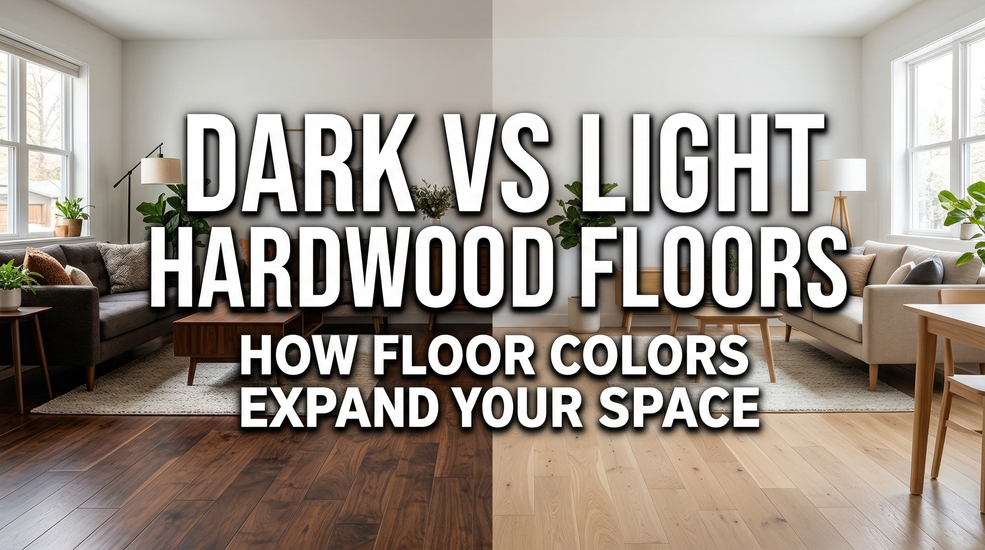
People often gravitate to pure white oak or deep dark espresso hardwood stains for their dramatic visual impact. These stark extremes create high-contrast backgrounds that highlight every speck of dust, strand of hair, or muddy footprint. A solid white floor acts like a blank canvas, broadcasting the smallest amount of topsoil tracked inside.
Dark floors present an equally frustrating challenge for homeowners who want a pristine appearance throughout the week. Super dark or black hardwood floors reflect ambient light in a way that illuminates surface debris. If you own a golden retriever or a white cat, a dark floor turns into a daily maintenance frustration.
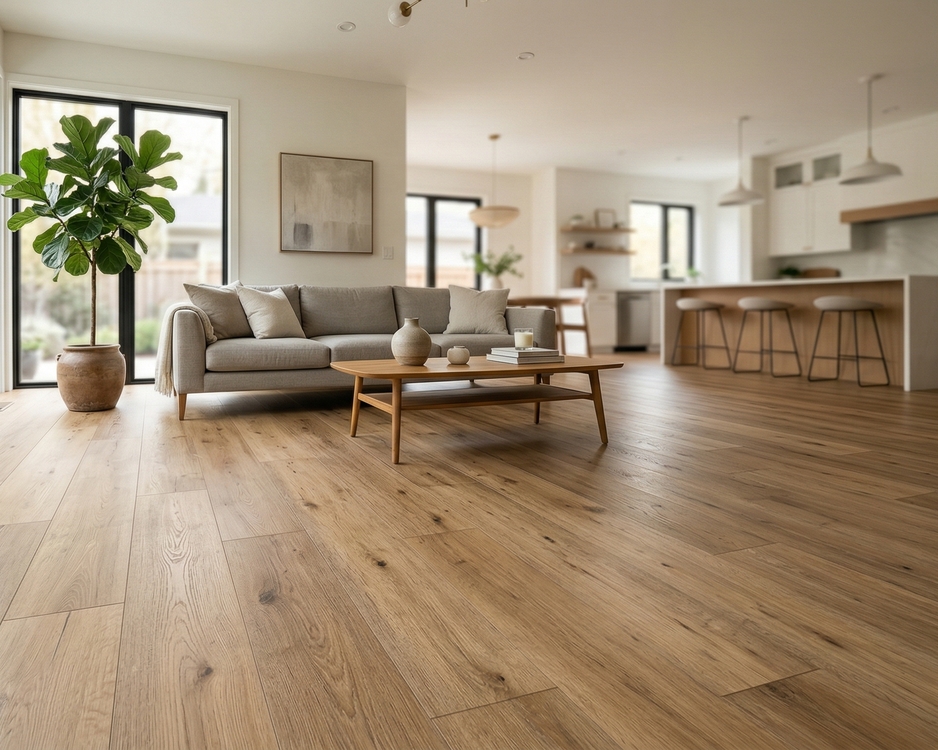
The most practical solution for the best hardwood floor color to hide dirt lies in the middle of the color spectrum. Mid-tone browns, warm grays, and neutral floor colors blend with everyday household debris rather than fighting against it. By avoiding the extremes, you immediately reduce the visual impact of daily life on your flooring surfaces.
- Extreme light and dark colors create high contrast that highlights dust and pet hair.
- Mid-tone colors minimize the visual impact of daily household debris.
- Matching floor color to local soil types drastically reduces visible dirt.
What Color Hides Dirt: Match Floor Colors to Your Local Environment
Really think about matching a floor color to the type of dirt in your neighborhood. The soil composition directly outside your front door dictates exactly what ends up on your living room floor. A color strategy that works perfectly in the Pacific Northwest might fail completely in the desert Southwest.
Florida Environments: Gray Tones for Low Maintenance
Homeowners living in Florida often find that a darker gray can hide the dirt that frequently tracks inside. This regional soil often contains a mix of organic matter and moisture that creates a persistent grayish-brown residue. Choosing a medium-to-dark gray luxury vinyl plank mimics this natural tone while providing a durable surface.
North Georgia Challenges: Hiding Red Clay Dirt
Residents in North Georgia should consider a gunstock floor to match and hide the clay that defines the local terrain. The famously rich, red clay of the Piedmont region stains lighter floors and contrasts sharply against dark stains. Gunstock wood floors feature warm, reddish-brown undertones that seamlessly absorb the visual impact of dried clay dust.
Coastal Properties: Sandy Hues for Easy Cleaning
Living by the beach requires a more sandy look on your floor to combat the constant influx of fine silica. Beachside living means sand will inevitably find its way past your welcome mat and into your hallways. Light beige, pale oak, and whitewashed finishes match the exact color profile of dry beach sand for easy cleaning.
Always place high-quality doormats at both the exterior and interior of every entrance to trap dirt before it reaches your main flooring.
Hiding Pet Hair and Dust: The Power of Multi-Tonal Low Maintenance Flooring
If you prefer more character, go for a floor that has significant color variation in each board or plank. Solid, uniform colors highlight debris because any foreign object breaks the visual consistency of the surface. The distressed or multicolor look can hide a lot of daily wear and tear while maintaining a professional aesthetic.
Hand-scraped wood, wire-brushed finishes, and modern vinyl planks with high shade variation effectively trick the human eye. When a floor already features multiple tones and textures, a stray piece of lint simply blends into the pattern. This approach works exceptionally well for busy households with children and multiple pets running around.
Hickory and acacia woods naturally feature dramatic wood grain patterns and color shifts from light blonde to dark brown. These dynamic patterns provide excellent camouflage for homes where constant cleaning is simply not a practical option. The natural character of the wood distracts from minor accumulations of dust and dirt throughout the week.
Hardwood and Vinyl Selection Guide: Finding the Best Floor Color to Hide Dirt
Finding the best vinyl floor color to hide dirt requires a systematic approach to your specific living situation. You must evaluate your local terrain, your household composition, and your preferred maintenance schedule. Following a structured testing process prevents costly installation mistakes and ensures long-term satisfaction with your flooring choice.
Steps to Choose the Right Color
Analyze Your Local Soil
Examine the dirt in your yard and driveway to determine its primary color profile. Match your flooring to this dominant exterior tone.
Evaluate Household Traffic
Consider whether pets, children, or frequent guests will increase the volume of debris entering your home. High traffic demands higher color variation.
Test Samples in Natural Light
Place flooring samples near your entryway to see how they interact with both light and tracked-in debris. Observe the samples at different times of the day.
Easy to Clean Flooring: Why Finish and Gloss Levels Matter
Color represents only half of the equation for maintaining clean-looking floors throughout the week. The gloss level of your protective finish dramatically affects how visible dust and smudges appear under indoor lighting. High-gloss finishes act like mirrors, reflecting light and spotlighting every single imperfection on the surface.
A matte or satin finish absorbs light, creating a softer look that is much more forgiving of daily dirt. These lower-sheen options scatter light reflections, which helps to mask fine dust particles and pet dander. Most modern flooring manufacturers now default to satin or matte finishes for this precise reason.
Furthermore, the texture of the finish plays a critical role in your floor's overall appearance over time. Smooth surfaces show water spots and bare footprints clearly, while lightly textured surfaces break up those visual interruptions. Choosing a wire-brushed matte finish provides the highest level of protection against visible daily debris and hiding footprints.
- High-gloss finishes reflect light and highlight dust, smudges, and footprints.
- Matte and satin finishes scatter light to effectively mask fine debris.
- Textured surfaces break up visual interruptions better than perfectly smooth finishes.
Natural Lighting and the Best Floor Color to Hide Dirt
The amount of sunlight entering your home dramatically alters how visible dirt appears on your floors. Large windows and glass doors cast long rays of light across the floor surface throughout the day. This strong directional light illuminates every single dust particle, pet hair, and smudge in its path.
Rooms with abundant natural light require careful consideration during the flooring selection process. A super dark or black hardwood floor in a sunlit room will look constantly dusty, regardless of your cleaning routine. The sunlight creates a harsh glare on dark surfaces that magnifies the smallest imperfections.
If your home features massive windows, you must lean heavily on the principles of texture and mid-tone colors. A floor that has more color variation in each board or plank diffuses the harsh sunlight effectively. Lighter, matte-finished floors absorb the natural light beautifully while keeping daily household debris out of sight.
Frequently Asked Questions
What is the best floor color to hide pet hair and dust?
The best color depends entirely on the color of your pet. If you have a golden retriever, mid-tone blondes and warm browns work best. Super dark or black hardwood floors make light pet hair highly visible.
Do dark floors show more dust than light floors?
Yes, dark floors generally show more dust than lighter options. Dust is naturally light gray or white, which creates a sharp contrast against dark brown or black flooring. Mid-tone grays and browns offer the best middle ground.
Which flooring finish is easiest to keep clean?
A matte or satin finish is the easiest to maintain on a daily basis. These low-gloss options do not reflect light as harshly as high-gloss finishes. This lack of reflection helps camouflage smudges, footprints, and fine dust.
Does patterned flooring offer low maintenance compared to solid colors?
Yes, flooring with high color variation or noticeable grain patterns hides dirt exceptionally well. The distressed or multicolor look can hide a lot because the dirt blends into the existing visual texture. Solid colors highlight debris by providing a uniform background.
How does lighting affect the visibility of dirt on floors?
Natural sunlight streaming across a floor will highlight dust and debris, especially on smooth, dark surfaces. Rooms with abundant natural light benefit greatly from lighter, textured floors with matte finishes. Artificial overhead lighting is generally more forgiving than direct sunlight.
Conclusion
Selecting the best floor color to hide dirt requires a practical assessment of your daily life and local environment. Extreme light or dark colors are the hardest to keep clean, forcing homeowners into rigorous daily maintenance routines. By choosing mid-tones, embracing color variation, and matching your local soil, you can maintain a beautiful home with less effort.
Remember that your flooring should serve your lifestyle, rather than forcing you to serve the floor. Whether you opt for a Florida gray, a Georgia gunstock, or a coastal sand hue, the right choice brings peace of mind. A well-chosen floor allows you to spend your weekends enjoying your home instead of constantly running the vacuum.
Focus on the practical realities of your household when making your final flooring decision. A floor that has more color variation in each board or plank will consistently outperform a solid, uniform color. Make a choice that reflects your local environment, and you will enjoy beautiful, low-maintenance floors for years to come.