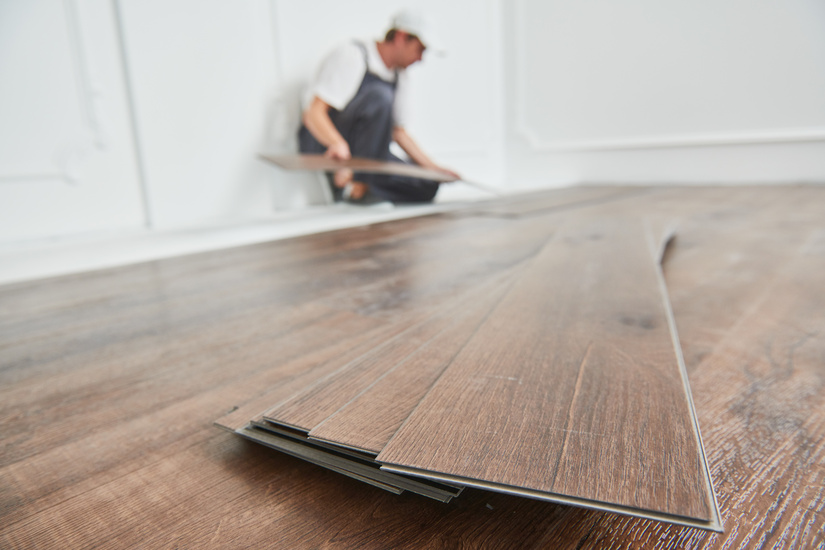
Vinyl plank flooring or LVP has taken the home improvement world by storm. It’s affordable, waterproof, and looks surprisingly good when compared to a real hardwood. But is it too good to be true?
If you’ve been shopping for floors, you’ve probably heard endless praise for LVP. But at Really Cheap Floors, we believe in transparency. No flooring product is perfect for every home. To make the best investment for your space, you need to know the potential drawbacks—not just the 100% waterproof floor sales pitch.
In this guide, we’ll cover the honest disadvantages of vinyl plank flooring, from durability concerns in high-traffic zones to potential installation hurdles, so you can decide if it's the right choice for your family.
Table of Contents:
- Durability and Longevity of Vinyl Plank Flooring
- Environmental Impact of Vinyl Plank Floors
- Safe LVP Certifications
- Installation Process and Maintenance Requirements
- Water Resistance and Moisture Issues
- Cost Considerations and Resale Value
- FAQs in Relation to Disadvantages of Vinyl Plank Flooring
- Conclusion
Durability and Longevity of Vinyl Plank Flooring
When it comes to the lifespan of a luxury vinyl plank floor, a well-maintained SPC vinyl floor can last up to 20 years. However, durability is constantly brought up by customers that need their new vinyl plank floor purchase to stand up to a busy home with lots of adult and kiddie feet trampling over it every year. 
How High Foot Traffic Impacts A Vinyl Plank or Vinyl Tile Floor
The wear layer on vinyl planks acts as a protective clear coat shield against daily use. High foot traffic will beat down on a wear layer and that is a disadvantage to lvp. A thicker wear layer is more durable and will fight against the signs of wear or scratch damage.
A significant disadvantage arises when homeowners unknowingly purchase a vinyl plank with a thin wear layer (e.g., 6-mil) for a high-traffic area. These floors will show scratches and wear much faster, leading to disappointment. The key is to match the wear layer to your lifestyle. This isn't to say that good vinyl planks aren't present, but if a maority of these types of floors are getting damaged from light use, its important to see it as a downside for the cheaper segment of the market. The sister product to vinyl plank is known as lvt or luxury vinyl tile, and it shares the same building blocks as lvp. The disadvantage of the off-brand cheap vinyl flooring is heavy foot traffic can wear down on the plank to cause the vinyl finish texture to fade as well.
Disadvantage: Fading from Sunlight (UV Sensitivity)
This is a disadvantage many homeowners don't consider until it's too late. The print layer of vinyl plank flooring (the part that looks like wood) can be sensitive to UV light. If a section of your floor is hit by direct, intense sunlight every day, it can fade or discolor over time, creating an uneven look across your room that's impossible to fix.

The Solution: This is a clear case of "you get what you pay for." Cheaper, off-brand vinyl planks offer little to no UV protection. High-quality LVP, like the products we carry, includes a UV-protective layer as part of the main wear layer to actively resist fading and keep your floors looking consistent for years.
Environmental Impact of Vinyl Plank Floors
The production process for vinyl flooring has stirred up some environmental concerns. The production of cheap off-brand vinyl plank flooring can stuff a few hazardous substances in a product to get it out faster and cheaper. This would produce an emission of Volatile Organic Compounds (VOCs). This is probably the main disadvantage of vinyl plank flooring as it can negatively impact your home's indoor air quality.
In addition to VOC certifications, some manufacturers are providing even deeper transparency through Health Product Declarations (HPDs). These declarations provide a full disclosure of potential chemicals of concern by comparing all product ingredients against established priority hazard lists. While often used for green building programs like LEED, this level of material transparency gives you the power to see exactly what is in your floor and avoid products with unwanted chemicals."

Safe LVP Certifications
Vinyl planks are primarily made from PVC (polyvinyl chloride). Low quality and non-compliant (Mainly Chinese) manufacturers don't feel the need to produce a product with minimal VOC off-gas properties. Several manufacturers have been making strides towards more environmentally friendly practices by reducing their VOC levels drastically which can be measured by 3rd party VOC testing from FloorScore® or Greenguard®. The FloorScore® Private Label certification is available to customers of certified manufacturers. FloorScore® is a Private Label certification assessment to use the FloorScore brand and logo for customers to know a floor isn't toxic. Greengaurd® is another unbiased certification to test for harmful chemicals off-gassing from a flooring product.

Deep Dive: Want to understand exactly what goes into this testing? You can read about the FloorScore® certification standards at SCS Global Services, the third-party body that verifies these claims.
In addition, once installed in homes or businesses, these products may continue releasing small amounts of VOCs into the atmosphere over time — often years after installation. In high concentrations indoors - where we spend most of our lives - these gases can cause headaches, dizziness and respiratory problems among other health issues. The disposal process is another factor contributing negatively to environmental sustainability. If not properly recycled or disposed of when they've served their purpose after 20 odd years or so, they end up piling as non-biodegradable waste in landfills across America.
This is why at Really Cheap Floors, we prioritize sourcing products that are FloorScore® certified. We believe you shouldn't have to sacrifice indoor air quality for an affordable floor.
Installation Process and Maintenance Requirements
You can either install them as a floating floor or glue them into place. The former is an easy-to-install method that lets the planks rest on top of your subfloor without any adhesive. This allows for expansion and contraction with temperature changes. On the other hand, gluing down gives more stability but requires additional preparation work. No matter which technique you pick, be sure to adhere to the producer's directions. They're there to help.
The Cons of Vinyl Plank Floor Products
Here are three of the major drawbacks of luxury vinyl plank flooring products.
-
Inability to be Refinished: This is a huge one. Unlike solid hardwood that can be sanded and refinished multiple times, if a vinyl plank is deeply scratched or gouged, that specific plank must be replaced. There is no "buffing it out." This is a major disadvantage compared to wood.
-
Susceptible to Dents from Heavy Furniture: While the SPC core is strong, heavy objects (like a dropped cast-iron skillet or a refrigerator being moved) can still dent or crack a SPC plank. Please invest in quality furniture pads on all chair and table legs to prevent scratching and gouging. This is a good rule of thumb for wood floors too, but the damage as a result of heavy abrasion is very different.
-
Requires a Very Flat Subfloor: This is a hidden "disadvantage" of installation. While the install itself is easy, LVP is less forgiving of uneven subfloors than carpet. If the subfloor isn't flat, the click-lock joints can fail and planks can separate over time. Make sure to use self leveling compound and a laser level to see how much prep is needed on your subfloor before installation.

The Pros and Cons of SPC & WPC Flooring
A SPC (Stone Plastic Composite) Vinyl core has a solid core made of limestone, pvc vinyl, and plastic stabilizers. This combination of rigid material makes it incredibly durable, resistant to impacts, and won't expand or contract with temperature changes like hardwood or laminate do. However, the cons of vinyl plank flooring with an SPC core it can feel harder underfoot and might not be as comfortable if you stand a lot on it. On the other hand, a WPC (Wood Plastic Composite) Vinyl core is made from a soft wood composite. This gives wpc vinyl flooring a soft laminate floor feel. WPC usually haves thicker planks to try to increase the stability and sound insulation. What are the vinyl plank disadvantages of WPC? It is not tough or durable and it will dent easily.
Water Resistance and Moisture Issues
One of the big selling points for vinyl plank flooring is its water resistance. Most planks sold nowadays are waterproof, not just resistant. This makes them a popular choice in spaces prone to spills or moisture, like kitchens, bathrooms, or laundry rooms. Top-rated local flooring contractors, however, warn that while these floors can handle a splash here and there, they're not exactly flood-proof. That means if your dishwasher decides to create an indoor pool party without inviting you first, it could spell trouble for your floor. Especially since any water trapped under a vinyl floor isn't mold-proof.
Cost Considerations and Resale Value
The cost of vinyl planks can differ drastically, with prices going from as low as half a dollar to an astounding five bucks per square foot. This price range depends on factors like the quality, design, thickness of the wear layer, and whether it's luxury vinyl or traditional sheet vinyl. Though it may seem costly compared to other flooring options, the long-term savings from its durability and low maintenance requirements can make vinyl flooring a wise investment. The flooring installation and overall lower installation cost are tempting. You might be asking yourself: Can I use my home equity loan for this? Well, yes. If you've been prequalified for a home equity loan, then this could be an affordable way to finance your new floor.

But here comes another important question: Does installing vinyl plank add resale value? Unfortunately, unlike real wood or stone flooring types that often add significant value to homes upon reselling them because they are perceived as high-quality materials by potential buyers; Vinyl plank floors don't always increase your property’s resale value due to their synthetic nature. This is not necessarily bad news though. If properly maintained, vinyl flooring offers a good return over time thanks to their longevity and ability to last over 15+ years. Vinyl flooring doesn't usually need regular repairs and replacements like hardwood. Exposure to natural light with proper UV protection coating applied to vinyl flooring will keep it in good shape for years to come. To wrap things up, you can make this flooring option work financially in both the short term and long-term. Vinyl flooring doesn't need to boost the resale value of the house significantly to be a quality flooring option for your home.
After reviewing these potential disadvantages, it's clear that the biggest risk isn't choosing vinyl plank flooring. The risk is found in choosing the wrong vinyl plank flooring for your home. By understanding the importance of a thick wear layer, demanding non-toxic certifications, and selecting the right core for your needs, you can easily avoid these common pitfalls.
The best way to do that is to talk to an expert. If you have questions about finding a durable, safe, and beautiful floor that fits your budget, our flooring experts are here to help you choose with confidence.
FAQs in Relation to Disadvantages of Vinyl Plank Flooring
Why should you avoid vinyl flooring?
Cheap Vinyl flooring can release toxic chemicals, is prone to scratching and denting, and may not add much resale value to your home.
Does vinyl flooring devalue a home?
It's possible. While vinyl plank floors are affordable and versatile, they might not boost your home’s resale value like hardwood or tile would.
How long does vinyl plank last?
If you care for it properly, expect your vinyl plank floor to hang around for up to 20 years. But remember - heavy foot traffic could shorten its lifespan just like vinyl tile.
Does vinyl plank scratch easily?
The wear layer of the planks protects against scratches but isn't invincible. Heavy furniture or pet claws can still leave their marks on lvp and lvt floors.
Conclusion
So, you've danced with us through the disadvantages with vinyl plank flooring and vinyl tile flooring. It's clear that this popular choice is not without its pitfalls. The impact of volatile chemicals during the production of cheap, typically Chinese manufacturing, vinyl plank products could raise eyebrows too. You also learned about flooring vinyl installation hurdles, maintenance requirements, and potential moisture issues to watch out for. Although cost-effective, it may not add much resale value to your home like a solid or engineered floor would.