When you're planning a garage renovation, the floor is one of the first design considerations. A new surface makes the whole space look cleaner, brighter, and more organized. It serves a practical purpose as well, protecting the ground from car tires, workbenches, tools, oil spills, and more.
However, choosing the right floor coating can be confusing, as every material promises something different. Epoxy, vinyl, and polyaspartic are all excellent options, each with certain benefits in various situations. This guide breaks it all down, allowing you to select a floor that suits your needs, lifestyle, and overall vision for your garage.

Quick Comparison Chart
Need a quick overview? Here's how these three best garage flooring options stack up against each other:
|
Feature |
Epoxy |
Vinyl (LVP) |
Polyaspartic |
|
Durability Rating |
High |
Medium |
Highest |
|
Installation |
DIY Possible |
DIY Friendly |
Professional Only |
|
Cost Range |
$ ($3-7/sq ft) |
$$ ($2-8/sq ft) |
$$$ ($8-12/sq ft) |
|
Cure/Install Time |
3-7 days |
Same day |
24-48 hours |
|
UV Resistance |
Poor (yellows) |
Good |
Excellent |
|
Chemical Resistance |
Good |
Fair |
Excellent |
|
Best For |
Budget-conscious DIYers |
Living spaces, Gyms, Studios |
Heavy-duty use, Daily parking |
|
Lifespan |
5-10 years |
10-20 years |
20+ years |

What to Look For in a Garage Floor Coating
Before comparing the three flooring types, it helps to know the most important qualities of a garage floor. You want something that holds up to heavy use and is strong enough to withstand impacts, scratches, spills, and temperature changes. However, form is just as important as function. You also want a surface that looks sleek, especially if you're embracing multi-functional garage living and turning the space into a gym, office, or workshop.
Epoxy Flooring: Popular, But Not Perfect
Epoxy is likely the flooring material you're most familiar with. It's a common choice in commercial and industrial garages, but also more recently in residential spaces. It's poured on as a liquid mix, and when it hardens, it creates a shiny, smooth, flat coatings garage surface. Most people like it because it's budget-friendly, and if you're handy at DIY, you can even install it yourself. It comes in a variety of colors and finishes, so it's both decorative and practical.
Despite its widespread use, covering everything from basic flooring to bizarre 3D-printed installations, epoxy coating has some downsides. It takes a long time to cure, and you should wait at least 24 hours before walking on it, and up to seven days before driving on it. That's not ideal if you use your garage to park your car securely. Epoxy also struggles with UV exposure, and hot tire pickup is another issue. When your tires heat up on the road, they can leave marks or damage the coating.
Vinyl Flooring: Easy and Versatile
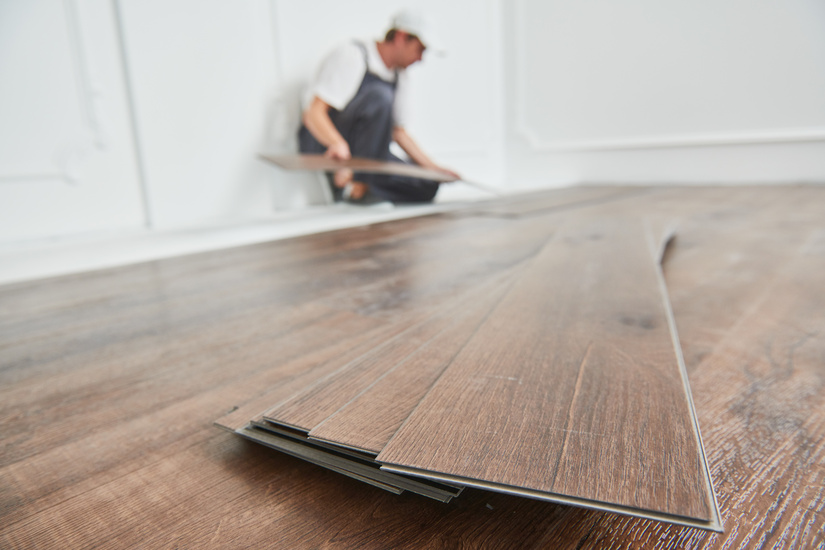
You may also be weighing up the benefits of commercial vinyl flooring for your garage. This material comes in planks, rolls, or tiles, and requires a bit less prep work than epoxy. You can choose from an endless array of patterns and colors, and it feels softer underfoot, too. If you're planning to use your garage as a studio or home gym, it's a potential top contender.

However, vinyl isn't the best choice for heavy vehicles or harsh chemicals. It can wrinkle or lift in extreme heat, and it may dent if you drop something heavy on it. This could be a problem if your garage doubles as a workshop, or you want to install heavy equipment. For that reason, it's best left for garages used for hobbies, workouts, or storage rather than daily parking.
Looking for waterproof vinyl options? Check out our selection of rigid core luxury vinyl planks that are 100% waterproof and perfect for transforming your garage into a man cave, home gym, or workshop. With interlocking installation, you can have your new floor ready the same day!
Polyaspartic Coatings: Modern Durability
Polyaspartic coatings are newer than epoxy and vinyl, but they're fast becoming a popular choice for homeowners everywhere. If you're looking for a super-strong, fast-curing, heavy-duty garage flooring, this could be your best pick. They look similar to epoxy at first glance, but they perform much better in tough environments. You can typically use your garage like normal again within a day or two.
Polyaspartic coatings also come out on top for UV resistance. Your flooring will stay bright and glossy without yellowing, even if your garage gets a lot of direct sunlight. They're completely waterproof and handle spills, chemicals, and hot tire pickup extremely well, too. This makes them perfect if you use your garage frequently for DIY projects or parking.

The only real downside is that you need to use a professionally trained installer. They're definitely not something you can handle yourself, even if you have experience in home improvements, so the upfront cost is higher. However, they can last 20 years or more, so the investment is well worth it.
Preparation Matters: The Condition of Your Concrete
Before you invest in any garage flooring solution, you need to assess your concrete's current condition. The success of your new floor depends heavily on proper preparation, and each flooring type has different requirements.
Moisture Testing: The Critical First Step
Excess moisture in concrete is the enemy of all garage floor coatings. Here's how to perform a simple moisture test:
-
The plastic sheet test: Tape down a 2x2 foot plastic sheet to your concrete floor. Leave it for 24 to 48 hours. If you see condensation under the plastic, you have a moisture problem that needs addressing.
-
What it means: Epoxy and polyaspartic coatings will fail if applied over moist concrete. Vinyl planks with vapor barriers handle minor moisture better.
Dealing with Cracks and Imperfections
Not all flooring options handle concrete imperfections the same way:
-
Epoxy or polyaspartic: Require crack filling first. Any crack wider than 1/8" needs to be ground out and filled with crack repair compound. These liquid coatings will telegraph every imperfection through to the surface.
-
Vinyl planks: Can bridge small cracks (up to 1/4") without prep work. The floating floor design and thickness of quality LVP helps hide minor concrete issues.
-
Large cracks or spalling: May require professional concrete repair regardless of your chosen flooring type.
The Oil Stain Challenge
Oil-stained concrete is particularly problematic for coatings:
-
For epoxy/polyaspartic: Oil must be completely removed through degreasing and grinding. Coatings won't adhere to oil-contaminated concrete.
-
For vinyl: Since it doesn't adhere directly to concrete, minor oil stains won't affect installation, though they should still be cleaned for best results.
-
Pro tip: Use a commercial degreaser and let it sit overnight, then pressure wash. For stubborn stains, diamond grinding may be necessary.
Cost Breakdown: Which Option Fits Your Budget?
Understanding the true cost of any home improvement project goes way beyond the simple material cost. Here's a detailed breakdown of what you can expect to pay for a standard two-car garage (approximately 400 square feet):
Epoxy Coating Costs
-
DIY kit: $400 to $800 (materials only)
-
Professional Installation: $1,200 to $2,800
-
Hidden epoxy coatings costs to consider:
-
Concrete prep materials: $50 to $150
-
Epoxy Coating Application tools (if DIY): $75 to $150
-
Decorative flakes/chips: $50 to $100
-
-
Total DIY investment: $575 to $1,200
-
Longevity value: $57 to $120 per year (based on 10-year lifespan)
Vinyl Plank (LVP) Flooring Costs
-
Materials: $800 to $2,400 (browse our USA-made waterproof options starting at $2 per sq ft)
-
DIY installation: $0 (click-lock system)
-
Professional Installation: $400 to $800 (if needed)
-
Additional supplies:
-
Underlayment (if needed): $100 to $200
-
Transition strips: $30 to $60
-
Basic tools: $50 (if not owned)
-
-
Total DIY investment: $980 to $2,710
-
Longevity value: $49 to $136 per year (based on 20-year lifespan)
Polyaspartic Coating Costs
-
Professional polyaspartic garage installation only: $3,200 to $4,800
-
Includes:
-
Professional concrete prep
-
Premium materials
-
Labor and warranty
-
Decorative options
-
-
No hidden costs: Everything included in a polyaspartic flooring quote
-
Longevity value: $160 to $240 per year (based on 20-year minimum lifespan)
The Budget-Smart Analysis
When evaluating cost, consider:
-
Immediate budget: Epoxy wins for lowest upfront cost
-
Best value over time: Vinyl plank offers the best cost-per-year when self-installed
-
Premium investment: Polyaspartic provides the longest life and least maintenance
-
DIY capability: Can save 40% to 60% on epoxy and vinyl, but not an option for polyaspartic
Care and Maintenance: Keeping Your Floor Looking Great
The right maintenance routine can double the life of your garage floor. Here's what each flooring type requires:
Vinyl Plank Maintenance (Easiest)
-
Daily/weekly: Simple sweep or vacuum to remove grit and debris
-
Monthly: Damp mop with pH-neutral cleaner
-
Annually: Deep clean with manufacturer-recommended cleaner
-
Repairs: Individual planks can be replaced if damaged
-
Pro tip: Place mats at entry points to reduce tracked-in debris
Epoxy Floor Maintenance (Moderate)
-
Weekly: Dust mop or soft-bristle broom (grit can scratch the surface)
-
Bi-weekly: Mop with ammonia-free cleaner diluted in warm water
-
Every 2 to 3 years: Apply a fresh topcoat to restore shine
-
Spot treatment: Address stains immediately with mild degreaser
-
Caution: Avoid abrasive cleaners that can dull the finish
Polyaspartic Garage Coating Maintenance (Low)
-
As needed: Sweep or blow out debris
-
Monthly: Rinse with hose or mop with any household cleaner
-
Every 5 to 10 years: Professional recoat may enhance appearance (optional)
-
Chemical spills: Simply wipe up; the coating resists most chemicals
-
Winter care: Salt and snow melt won't damage the surface
Common Maintenance Mistakes to Avoid
-
Using harsh chemicals: Avoid citrus cleaners on epoxy, they can cloud the finish
-
Letting grit accumulate: Acts like sandpaper under foot and tire traffic
-
Power washing vinyl: Can force water under planks causing lifting
-
Dragging heavy objects: Always lift, don't drag, regardless of flooring type
-
Ignoring small damage: Address chips or scratches quickly to prevent spreading
Endnote
Whether you're going for functional, luxury, or both, the right flooring can really transform your garage. It makes the space feel cleaner, bigger, brighter, and more convenient to use. Epoxy and vinyl are both classic choices. However, polyaspartic coatings are the latest innovative technology to take the world of garage renovations by storm.
This method of flooring provides higher resistance to abrasions, chemicals, and salt stains thanks to its deeply penetrating bonding characteristics. While polyaspartic coatings are a clear winner if you're looking for high performance and long-term value, ultimately, the best flooring depends on how you use your garage.
Whether you're leaning toward DIY-friendly vinyl planks or planning a professional coating installation, starting with quality materials makes all the difference. Explore our waterproof vinyl flooring options perfect for garage transformations, or contact our flooring experts for personalized recommendations based on your specific garage needs and budget.