Knowing how to choose the right wear layer for LVP is the single most important decision you'll make when buying luxury vinyl plank flooring, and here's a fact that should stop you cold before you spend a dime: a product listed as 8mm total thickness may have only a 6 mil wear layer or as high as a 20 mil wear layer. Total thickness and wear-layer thickness are not the same thing. That means two floors sitting side by side in a showroom at similar prices could perform completely differently for years to come.
Key Takeaways
| Question | Quick Answer |
|---|---|
| What is a wear layer on LVP? | It's the clear, protective top layer measured in mils (thousandths of an inch) that guards your vinyl plank flooring against scratches, scuffs, and foot traffic. |
| What wear layer thickness do I need for residential use? | For most homes, a 12 mil handles everyday life well. Busy households with pets and kids should look at 20 mil options. |
| Is a thicker wear layer always better? | Not necessarily. A 20 mil on a weak core can still underperform. You need to evaluate the whole product, not just one number. |
| What's the difference between 12 mil and 20 mil LVP? | 12 mil handles standard residential traffic. 20 mil is built for higher traffic areas, commercial use, or homeowners who want maximum longevity. |
| Does wear layer affect price? | Yes. Higher mil wear layers typically cost more, but buying smart means you don't have to overpay. Our Johnson City Rocky Fork delivers a 20 mil at a price that won't punish your budget. |
| Is LVP better than hardwood for durability? | In wet areas and high-traffic zones, LVP with a solid wear layer outperforms hardwood on durability and moisture resistance. Hardwood has its own advantages for feel and refinishing. |
| Can I get quality vinyl plank flooring cheap without sacrificing wear layer? | Absolutely. The secret is knowing what specs to ask for before you shop. We'll show you exactly how below. |
What Is a Wear Layer Exactly?
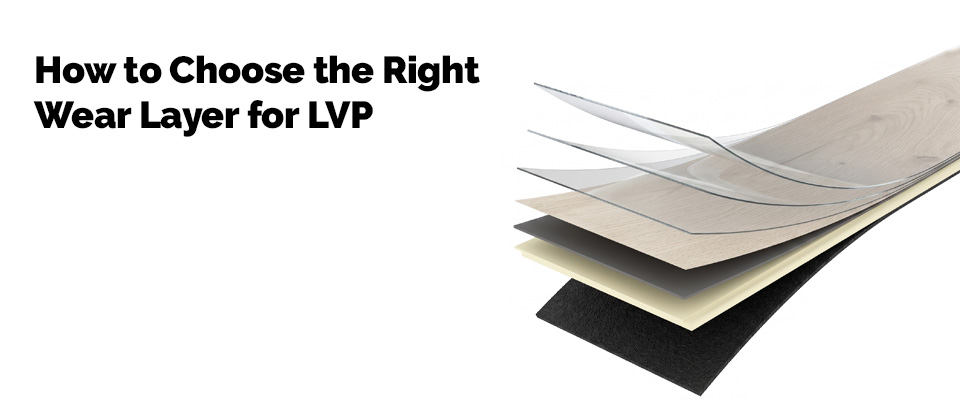
Let's get this straight right now. The wear layer is not the pretty printed design layer you see on your vinyl plank flooring. It's not the backing. The wear layer refers to the clear/semi-transparent topmost layer of luxury vinyl plank flooring, which serves as a fundamental part of protecting the printed design beneath. Understanding wear layer thickness is essential because a thicker wear layer provides better durability against scratches, stains, and daily foot traffic.
It's measured in "mils," which are thousandths of an inch. A 12 mil wear layer is 0.012 inches thick. A 20 mil wear layer is 0.020 inches thick. Doesn't sound like much of a difference, but when you're talking about daily foot traffic, pet nails, dropped items, and furniture legs, that gap matters a lot.
Think of it like a screen protector on your phone. A thin one scratches and peels off in six months. A quality one is still going strong two years later. Same idea here.
How It Hits Your Budget
Here's the real deal. If you choose too thin a wear layer for your space, you're not saving money. You're scheduling a floor replacement. That's the opposite of cheap flooring done right.
And the secret to saving money on a floor while being satisfied with what you purchase is knowing what you want before you begin your shopping journey. Wear layer is the single spec you must understand before comparing products side by side.
We see it happen constantly. Someone buys discount vinyl plank flooring based on price alone, installs it in a busy kitchen or an entryway with dogs, and two years later the surface is scratched to pieces. The plank itself is fine. The core is fine. But the wear layer was a 6 mil residential spec that couldn't handle the load. A $0.30 per square foot upgrade in mil wearlayer would have fixed that entirely.
The Wear Layer "Mil" Breakdown by Room
Not every room needs the same protection. Here's how we think about it, room by room.
- Bedrooms and low-traffic areas: 6-8 mil is technically sufficient. Foot traffic is light. No pets running circles. These spaces don't beat up a floor the way a kitchen does.
- Living rooms, dining rooms, and residential hallways: 12 mil is the sweet spot. It handles real family life without overbuilding the spec.
- Kitchens, entryways, and homes with pets or kids: 20 mil is where you want to be. This is the residential/commercial crossover range, and for good reason.
- Commercial spaces, rental properties, or home gyms: 20 mil minimum, full stop. Don't cut corners here.
The internet is a great place to research your next flooring project, but this particular spec doesn't always get explained clearly. Most listings just slap a mil number in the product description and hope you don't ask questions. We'd rather you ask every question before you buy.
Best for Light Traffic: 12 Mil Vinyl Plank Options
A 12 mil is the standard for most standard residential installations. It handles normal family life, looks beautiful year after year, and it keeps the price where budget-minded buyers want it to be.
We carry two excellent 12 mil options in our Peachtree Classic line that consistently get strong reviews from our customers.
The Peachtree Classic Dusty Gray is one of our most popular planks for a reason. That cool, neutral gray tone works in almost any room, and the 12 mil holds up beautifully in living spaces and bedrooms where foot traffic stays reasonable.
If you're after something with a warmer, richer look, the Peachtree Classic Whiskey Barrel delivers that deep, wood-toned aesthetic that makes people ask whether it's real hardwood. It's not. It's vinyl plank flooring that looks like hardwood and costs a fraction of what hardwood would run you.
Both of these are solid choices when you know your space doesn't need commercial-level protection. Nothing wrong with 12 mil. Just different from 20.
Best for Heavy Traffic: 20 Mil LVP Wear Layer That Won't Quit
Now we're talking about the options that handle real punishment. A 20 mil is what you spec when the floor is going to see pets, kids, high heels, busy kitchens, or rental tenants who aren't exactly careful with the floors.
We carry three standout options here, and all three are the real deal.
The Peachtree Trending Oasis Tan is built with a 20 mil and a visual style that's on-trend in 2026 without being trendy in a way that ages badly. Warm tones, clean lines, and protection that backs it up.
The Johnson City Rocky Fork is a heavy-hitter in our lineup. The 20 mil means it's built for spaces that actually get used. Kitchens, mudrooms, entryways, basements, you name it.
And if you want that rustic, natural look with no compromise on protection, the Johnson City Buffalo Creek is a standout. The coloring runs beautifully, the texture feels authentic, and the 20 mil means it's going to look this good for a long time.
Don't Let Plank Thickness or Marketing Mislead You
The word "premium" gets thrown around loosely in the flooring industry, so let me clear this up before we go any further. "Premium" doesn't mean anything. "20 mil" means something. "12 mil" means something. Always shop by spec, not by adjective.
Here's what to watch for when you're comparing vinyl plank flooring options.
- Total thickness is not wear layer thickness. A 6mm LVP plank could have a 6 mil or a 20 mil wear layer. The bulk of that 6mm is core material, underlayment, and backing. Always find the spec specifically.
- Mil, not millimeter. Wear layers are measured in mils (thousandths of an inch). Plank thickness is measured in millimeters. They are different units. Don't confuse them.
- Marketing photos show hardwood-style beauty. What they don't always show is the mil rating. If a listing doesn't prominently feature this number, ask before you buy.
- Discount doesn't mean defective. Cheap flooring done right means sourcing smart, not cutting specs. We don't sell flooring with a wear layer that can't hold up just to hit a low price point. That's not a value. That's a setup for disappointment.
Wear Layer vs. Total Thickness: Don't Confuse The Two Numbers
We understand that buying flooring online can feel a bit daunting, especially when you're staring at a spec sheet with five different numbers on it. So let's simplify this.
Total plank thickness (measured in millimeters) tells you how rigid and stable the floor will feel underfoot. A thicker plank bridges minor subfloor imperfections better. That's a real benefit, but it has nothing to do with how long the surface holds up.
Wear layer thickness (measured in mils) tells you how well the surface resists scratching, scuffing, and daily wear from foot traffic. This is the durability number. These two measurements serve completely different purposes.
A cheap vinyl plank flooring option at 8mm total thickness with a 20 mil wear layer will outperform a premium-marketed 12mm plank with a 6 mil wear layer in terms of surface durability every single time. Thickness alone isn't the story. Wear layer is where the durability lives.
Does the Surface Coating Matter Beyond Mil Thickness?
Yes, and this is the nuance that most flooring guides skip over. A 20 mil wear layer can still underperform if the surface coating applied on top is low quality. The coating handles the chemical resistance, the UV protection, and the day-to-day cleaning you're going to do with a mop or a Swiffer.
Most quality vinyl plank flooring today uses aluminum oxide in the coating layer because it's the same abrasion-resistant compound used in hardwood flooring finishes. When you see that spec, it means the product has been built with real surface protection in mind, not just a thick wear layer with a soft coating on top.
Affordable prices are woven into our DNA, which is why we choose the products we carry carefully. We're not just looking at whether the price is low. We're looking at whether the full product build can back up what the price implies.
What Real Budgets Focus On
Here's the practical part. You don't have to spend a fortune to opt for the right lvp wear layer. The key is knowing what you need before you start comparing prices.
If your space is a bedroom or a low-traffic office, a 12 mil option saves you money without sacrificing performance for what that space actually demands. Buying 20 mil there is fine, but it's not necessary. Match the spec to the application.
If your space is going to take a beating, spending a little more per square foot on a 20 mil wear layer is the cheap flooring decision in the long run. You're paying a small premium now to avoid a full replacement later. That's how the math works.
Our prices are the real deal on day one. We don't inflate list prices and run fake sales. The discount you see is the actual price we work to earn through how we source and stock our inventory. That's been the Cook family way for over half a century, and it doesn't change when the product is a vinyl plank with a 20 mil wear layer that we're proud of.
We also understand that buying flooring online can feel a bit daunting, which is why we offer 4 free samples to ensure the color and texture are perfect for your space before you commit to a full order. That goes for our wear layer options too. See them in your actual lighting, in your actual space, before you buy.
Quick Reference Table
| Wear Layer | Best For | Not Ideal For | Our Recommendation |
|---|---|---|---|
| 6-8 mil | Bedrooms, low-traffic areas | Kitchens, pets, entryways | Budget guest rooms, studios |
| 12 mil | Living rooms, hallways, standard residential | Commercial use, heavy pet traffic | Peachtree Classic Dusty Gray, Whiskey Barrel |
| 20 mil | Kitchens, rentals, pets, commercial | Nothing. This handles everything. | Johnson City line, Peachtree Trending |
| 28 mil+ | High-volume commercial, hospitality | Overkill for most homes | Ask us about commercial options |
LVP vs. Hardwood: Understanding the Difference
People ask us all the time whether they should choose vinyl plank flooring or hardwood. It's a legitimate question, and the wear layer comparison is part of the answer.
Hardwood flooring gets its durability from the aluminum oxide finish on top and the wood itself. You can sand and refinish hardwood, which is something you can't do with vinyl plank. That's a real advantage of hardwood for long-term floor life.
But here's the trade-off. Hardwood is vulnerable to moisture in a way that LVP simply isn't. In kitchens, bathrooms, basements, or any space where water is a regular presence, a vinyl plank floor with a solid 20 mil wear layer is the more practical choice. It doesn't swell, it doesn't warp, and it doesn't need refinishing on any kind of schedule.
Good hardwood flooring is also significantly more expensive than quality vinyl plank flooring, even when you're buying at discount pricing from a source like us. If budget is a factor and you need durability in a moisture-prone space, LVP with the right wear layer is the honest answer.
Conclusion
Knowing how to choose the right wear layer for vinyl plank comes down to one honest question: what is this floor actually going to go through? Answer that, match the mil to the application, and don't let anyone sell you on a thick total plank measurement as a substitute for a strong wear layer spec.
For standard residential rooms, 12 mil vinyl plank flooring does the job well. Our Peachtree Classic line proves that you don't have to spend a premium to get a floor that performs. For anything with heavy traffic, pets, kids, or commercial-level demands, step up to 20 mil. Our Johnson City and Peachtree Trending options bring that level of protection at pricing that doesn't require you to apologize to your bank account.
And if you're unsure, order your 4 free samples. See them in your home. Feel the difference between a 12 mil and a 20 mil product in person before you commit. We understand that buying flooring online can feel a bit daunting, and that's exactly why we built that process into what we do.
Affordable prices are woven into our DNA. The right wear layer for your space is woven into our product lineup. Both of those things are true on day one, and they'll still be true when your new floor is still looking great years from now.
Frequently Asked Questions
What is the best wear layer thickness for Vinyl Plank in a home with dogs?
For homes with dogs, a 20 mil wear layer is the right choice for LVP flooring. Dog nails are one of the most consistent sources of surface scratching, and 12 mil can show wear faster in those conditions. The extra investment in a 20 mil vinyl plank flooring option pays off in a floor that still looks clean and unscratched after years of pet traffic.
Is a 12 mil Vinyl Plank good enough for a living room in 2026?
Yes, a 12 mil wear layer is completely appropriate for a living room with standard residential foot traffic in 2026. Where you need to step up to 20 mil is in higher-impact spaces like kitchens, entryways, and pet-heavy areas. Choosing the right waterproof luxury vinyl wear layer for LVP means matching the spec to the room, not defaulting to the highest number available.
What does "mil" mean for Vinyl Plank?
Mil means one thousandth of an inch. When you see LVP described as having a 12 mil or 20 mil wear layer, that refers to the thickness of the clear protective top layer on the vinyl plank flooring, not the total plank thickness. Total thickness is measured in millimeters and is a completely separate spec.
Can cheap vinyl plank flooring have a good wear layer?
Yes. The price of vinyl plank flooring reflects sourcing strategy, inventory channel, and brand markup, not necessarily the wear layer quality. You can absolutely find discount LVP with a 12 mil or 20 mil wear layer if you know what specs to look for and where to shop. Cheap doesn't mean thin wear layer. It means smart buying.
How does Vinyl Plank compare to hardwood flooring durability?
A 20 mil wear layer on vinyl plank flooring is highly scratch and dent resistant, making it competitive with hardwood in high-traffic spaces. Hardwood has the advantage of being refinishable, while LVP has the advantage of being moisture-resistant and typically less expensive. The right choice depends on where the floor is going and what the primary demands are.
Does a thicker wear layer always last longer?
Generally yes, but it's not the only factor in how long your LVP lasts. Wear layer thickness directly affects scratch and scuff resistance, but the surface coating, core quality, and subfloor preparation all play a role in overall floor longevity. When choosing the right wear layer for LVP, think of the mil rating as one important piece of a complete product evaluation.
What should I get for a rental property or commercial space?
For rental properties and commercial spaces, 20 mil is the floor (no pun intended). Commercial installations commonly specify 20 mil to 28 mil wear layers because foot traffic volume and tenant unpredictability demand it. Going thinner in a rental property is a false economy that almost always leads to an early floor replacement.