

Table of Contents
- Introduction
- Breaking Down the Total Flooring Cost: Material, Waste, and Labor
- The Hidden Dangers in Old Wood: Lead, Nails, and Bugs
- Is Antique Hardwood Flooring Worth the Investment?
- The Budget Alternative: Achieving the Rustic Look with New Hardwood
- Conclusion
A Reclaimed Hardwood Introduction
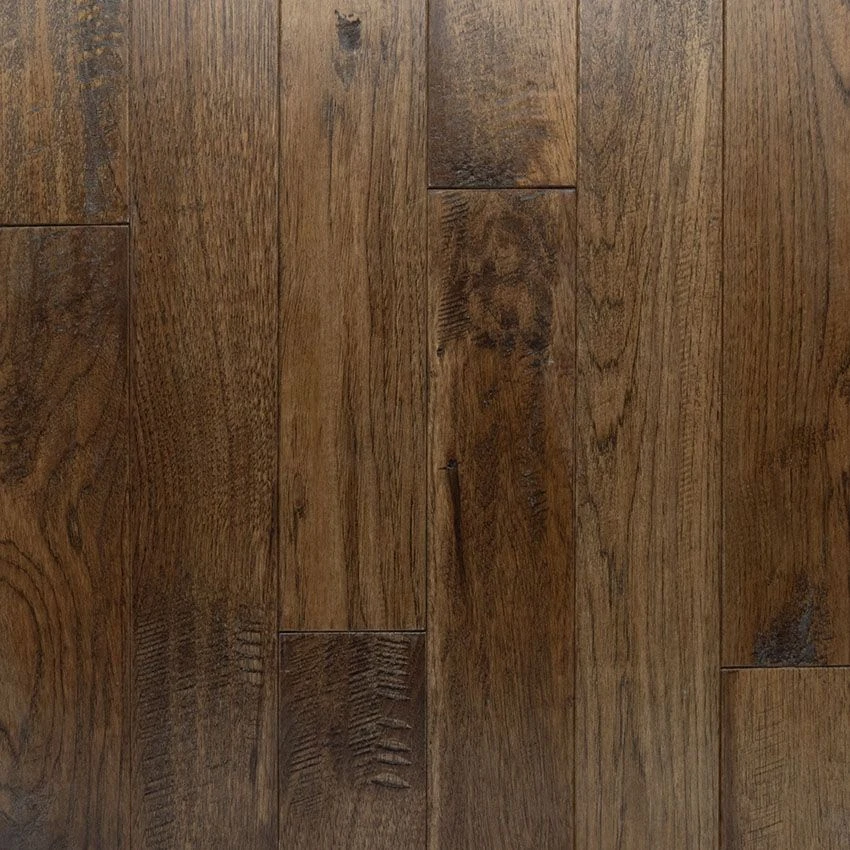
Everyone loves the story of repurposing old material for a new home improvement project. Finding new-to-you wood flooring that's lived a whole previous life as the a foundation for generations before is a huge bonus to add reclaimed wood to your home. It's the ultimate "farmhouse" flex, giving your home instant character and a conversation piece that new materials simply can't match. The warm reclaimed wood patina, nail holes, and weathered grain tell a story that money can't buy from a big-box store.
But here's the reality: that history comes with a hefty price tag that often shocks homeowners browsing showrooms. What starts as a romantic idea of walking on authentic American history quickly turns into sticker shock when you see quotes ranging from $8 to $20+ per square foot, and that's before installation. Many people assume reclaimed hardwood costs slightly more than new flooring, only to discover they're actually looking at triple or quadruple the expense.
In this comprehensive guide, we'll break down the true flooring cost of reclaimed materials, including the material purchase price, the critical "waste factor" you must account for, hidden processing fees, safety concerns with antique wood, and the surprisingly high cost installation charges. We'll also reveal a budget-friendly alternative that gives you the rustic aesthetic without the astronomical price or potential health hazards.
Breaking Down the Total Flooring Cost: Material, Waste, and Labor
Material Price Breakdown
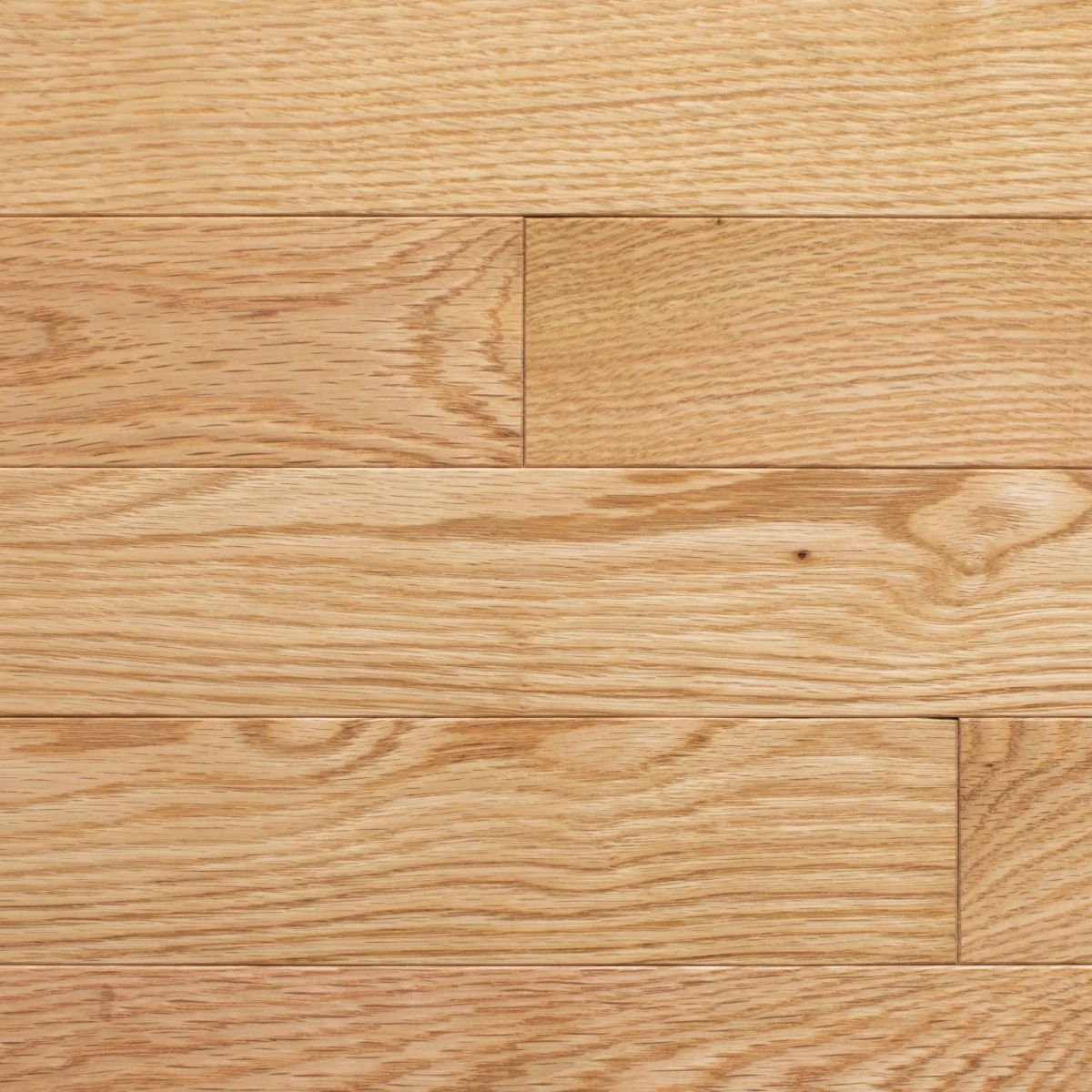
Authentic flooring reclaimed from barns, factories, and historic buildings typically ranges from $10 to $20 per square foot for the raw materials alone. Premium antique reclaimed selections like the particularly rare species like heart pine, chestnut, or wide-plank reclaimed oak can easily exceed $25 per square foot. Compare this to standard red oak or maple hardwood flooring, which typically costs $3 to $8 per square foot, and you're looking at spending 2 to 5 times more just for the materials.
Here's a realistic cost comparison:
| Flooring Type | Material Cost per Sq. Ft. | 500 Sq. Ft. Project Cost |
|---|---|---|
| Standard Oak | $4 - $6 | $2,000 - $3,000 |
| Premium New Hardwood | $6 - $10 | $3,000 - $5,000 |
| Reclaimed Hardwood | $12 - $18 | $6,000 - $9,000 |
| Premium Reclaimed | $18 - $25+ | $9,000 - $12,500+ |
The "Waste Factor" Nobody Mentions
Here's where the true cost becomes even more shocking. With new hardwood floors, installers typically recommend ordering 5-10% extra material to account for cutting waste and mistakes. With reclaimed wood flooring, however, you need to order 20-30% extra material and often times even more. The trapped moisture in the wood could case bowing or cupping while it acclimates to your home's moisture levels.
Why? Because antique wood comes with significant unusable sections:
- Rotted or severely weathered ends
- Boards with structural cracks that can't be used
- Sections with excessive nail holes that compromise integrity
- Pieces too warped or cupped to mill flat
- Wood damaged by insects or water over decades
This means if you need 500 square feet of installed floor, you might need to purchase 650 square feet of material. At $15 per square foot, that "waste" adds an extra $2,250 to your project—money you're literally throwing away for boards that will never touch your floor.
Installation Premiums
Even after purchasing the materials, you face higher labor costs. Professional installers charge premium rates for reclaimed hardwood installation for several legitimate reasons:
Installation challenges include:
- Inconsistent board thickness requiring extensive subfloor prep
- Variable widths that demand careful layout planning
- Pre-existing nail holes and checking that can split during installation
- The need for specialized tools to work with dense, old-growth timber
- Extra time required to sort through materials and identify usable pieces
Expect installation costs ranging from $5 to $10 per square foot for reclaimed materials, compared to $3 to $5 per square foot for standard hardwood. On a 500 square foot project, that's an additional $1,000 to $2,500 in labor alone.
The Hidden Dangers in Old Wood: Lead, Nails, and Bugs
Safety Hazards You Can't See
The romantic notion of hundred-year-old barn wood becomes less appealing when you consider what that wood has been exposed to over the decades. Old barns, warehouses, and industrial buildings were routinely painted with lead-based paints until the 1970s. These chemicals can be embedded deep within the wood fiber, and sanding or cutting these boards releases toxic dust into your home.
Additionally, historic lumber was often treated with:
- Arsenic-based pesticides
- Creosote preservatives
- Coal tar treatments
- Industrial chemical exposure from factory environments
While reputable reclaimed lumber dealers test and treat their products, not all sellers are equal. Bargain "reclaimed" wood from unlicensed dealers might bring serious health risks into your living space.
Processing Fees That Justify the Price
Legitimate reclaimed hardwood suppliers invest heavily in making their products safe and usable. This processing explains much of the premium pricing:
Required processing steps include:
- De-nailing: Every board must be hand-inspected and have old nails, screws, and metal hardware removed. Miss a nail, and you'll destroy expensive saw blades during milling.
- Kiln-drying: All reclaimed lumber must be kiln-dried to kill dormant insect larvae, eggs, and fungi. Powder post beetles, carpenter ants, and other wood-boring insects can remain dormant in wood for years, then emerge in your climate-controlled home.
- Surface preparation: Removing decades of dirt, paint, and weathering while preserving desirable character marks is labor-intensive.
- Milling and planing: Creating consistent tongue-and-groove profiles from inconsistent antique boards requires skilled craftsmanship.
These processes can add $3 to $8 per square foot to the cost, but they're absolutely necessary for a safe, installable product.
Milling Issues and Imperfect Fits
Unlike modern precision milling that produces consistent boards within thousandths of an inch, reclaimed plank materials can have significant variations. Old-growth timber often has:
- Irregular thickness across a single board
- Varying densities that complicate sanding
- Pre-existing checking and cracks that can worsen over time
- Boards that don't fit together perfectly, creating gaps and potential squeaks
These imperfections contribute to the "rustic charm" but can also lead to frustrating installation challenges and future maintenance issues. The texture and character that make these floors beautiful can also make them problematic.
Is Antique Hardwood Flooring Worth the Investment?
The Resale Value Question
Many homeowners justify the high cost by assuming reclaimed flooring adds significant resale value. The reality is more complicated. While authentic barn wood can be a major selling point for buyers who appreciate historic materials and rustic design, it's ultimately a niche aesthetic.
Potential downsides for resale:
- Not every buyer wants a farmhouse or industrial look
- Some buyers worry about the age and condition of antique materials
- The finishing costs for maintaining weathered wood can be higher
- Very rustic floors with significant gaps might fail home inspections
Real estate agents generally report that while beautiful flooring helps homes sell, buyers rarely distinguish between well-executed new "distressed" products and authentic antique materials when making purchase decisions.
The Durability Benefit
One legitimate advantage of reclaimed materials is that old-growth timber is genuinely superior in hardness and density compared to modern plantation-grown wood. Trees that grew slowly over 150+ years developed much tighter annual rings, creating more durable hardwood.
This means:
- Greater resistance to denting and wear
- Better dimensional stability in some species
- Potentially longer lifespan if properly maintained
- A harder surface that holds up better to heavy traffic
However, the question remains: Does this justify paying triple the price? For a floor that will last 50+ years regardless of whether it's new or reclaimed, the longevity argument has diminishing returns for most homeowners.
The Availability Problem
Perhaps the most frustrating aspect of reclaimed materials is their finite nature. If you need to replace damaged boards in 10 years—due to water damage, scratches, or renovation—finding matching material is often impossible. Each reclaimed lot is unique, and once it's sold, that particular color, patina, and weathering pattern is gone forever.
This creates ongoing challenges:
- No ability to order matching products for future repairs
- Room additions require completely different flooring
- Refinishing can strip away the desirable weathered appearance
- Color matching becomes a constant concern
The Budget Alternative: Achieving the Rustic Look with New Hardwood
The "Really Cheap Floors" Solution
Here's the industry secret that saves homeowners thousands: Cabin Grade hardwood (also called Tavern Grade, #2 Common, or Blue Label) gives you the character-rich, rustic appearance for a fraction of reclaimed prices.
Cabin Grade is new lumber that was rejected for higher grades because of natural "imperfections":
- Knots and mineral streaks
- Color variation within species
- Small wormholes and insect marks
- Character marks and natural checking
- Sapwood streaking
These are precisely the same features that people pay premium prices for in antique reclaimed materials.
Why It Works So Well
The aesthetic that makes reclaimed flooring attractive—knots, color variation, visible grain patterns, and natural imperfections—is available in new wood products at standard pricing. Cabin Grade materials offer:
Key advantages:
- Consistent milling for perfect tongue-and-groove fit
- No hidden nails or metal that destroy tools
- No chemical treatments or lead paint concerns
- No insect larvae requiring expensive kiln treatment
- Available in multiple widths for design flexibility
- Engineered versions available for added stability
- Can order matching materials for future repairs
The Savings That Change Everything
Let's run the real numbers on a 500 square foot installation:
Reclaimed Hardwood Project:
- Materials: 650 sq ft @ $15/sq ft = $9,750
- Installation: 500 sq ft @ $7/sq ft = $3,500
- Total: $13,250
Cabin Grade Hardwood Project:
- Materials: 525 sq ft @ $3.50/sq ft = $1,838
- Installation: 500 sq ft @ $4/sq ft = $2,000
- Total: $3,838
You save over $9,400 while getting a remarkably similar rustic aesthetic—and you get peace of mind knowing there are no hidden health hazards, your boards will fit together perfectly, and you can order more if needed in the future.
Conclusion
Authentic barn wood and reclaimed hardwood flooring is undeniably beautiful, offering genuine history and unmatched character. However, the true cost extends far beyond the initial material pricing. When you factor in the waste factor, premium installation charges, necessary safety processing, and limited future availability, many homeowners find themselves spending $15,000 to $20,000 on a project they initially budgeted $5,000 for.
The good news? You don't have to choose between the rustic look you love and a budget you can actually afford. Cabin Grade and character-grade new hardwood offerings provide the knots, color variation, and natural beauty that make reclaimed materials so appealing—without the bugs, lead paint, nail hazards, or astronomical costs.
If you stumble upon a thick engineered hardwood floor to repurpose your odds of a headache go down since engineered floors are much more stable than a solid wood floor.
Want that vintage charm without the vintage price tag? Check out our Cabin Grade inventory to find a unique, character-rich floor that fits your budget. Call us at 1-800-253-2728 to explore affordable alternatives that deliver the rustic aesthetic you're dreaming of—with the convenience and safety of new materials.