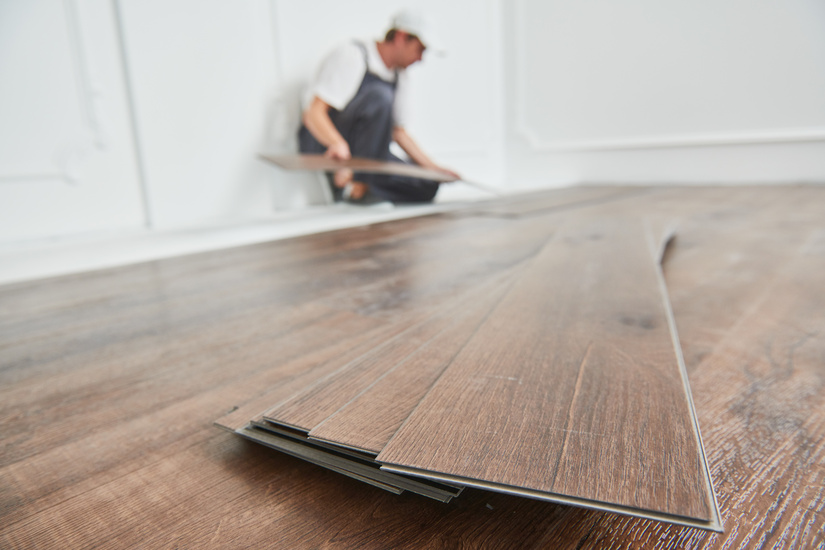
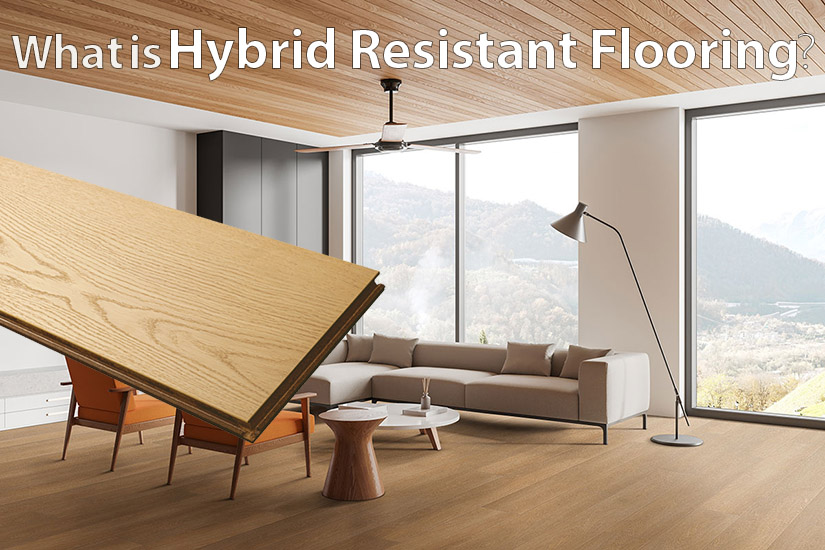
If you've been shopping for new flooring lately, you've probably noticed that low-maintenance, "set it and forget it" flooring solutions have become the number one priority for homeowners in 2026, officially replacing aesthetics as the top buying factor. That shift is exactly why Hybrid Resilient Composite (HRC) flooring is one of the most talked-about options on the market right now. It's a genuinely new third category of flooring that blends wood fibers and resins to create a surface with the scratch resistance of stone and the installation ease of traditional planks, and it deserves a proper breakdown before you decide if it's right for your home.
Hybrid Resilient Composite (HRC) is the flooring industry's attempt to combine the best attributes of SPC vinyl plank and laminate flooring constructions while removing the PVC material from the waterproof vinyl plank. The PVC is replaced with a mineral-based core or a high-density specialized resin mixed with wood fiber material as the core of HRC flooring.
Key Takeaways
- What is Hybrid Resilient Composite (HRC) Flooring? It's a third-category flooring product that combines rigid, scratch-resistant laminate technology with 100% waterproof vinyl construction, creating a floor that neither category alone can deliver.
- Is HRC flooring waterproof? Yes, completely. The polymerized composite core is water-impervious, making it suitable for kitchens, bathrooms, and basements. Browse our full waterproof flooring collection to see what's available.
- How scratch-resistant is HRC flooring? Most HRC floors achieve commercial AC4 or AC5 abrasion ratings thanks to aluminum oxide or ceramic bead wear layers, making them an excellent choice for pets and high-traffic households.
- Is HRC flooring better than SPC vinyl plank? HRC and SPC are related but different. SPC (Stone Plastic Composite) is a more affordable, extremely dense waterproof vinyl plank option. HRC typically goes further with enhanced wear layers, EIR texturing, and often PVC-free core technology.
- How does HRC compare to engineered hardwood? Engineered hardwood offers real wood character and resale value but is not fully waterproof. HRC gives you a very similar visual and installs just as easily, but wins on moisture resistance and scratch durability.
- Do I need underlayment with HRC flooring? In most cases, no. True HRC floors come with an integrated acoustic underlayment already attached to the bottom of each plank.
- Where can I find discount flooring alternatives? We carry luxury vinyl plank at discount prices and engineered hardwood sourced directly from major brands, available at some of the lowest prices you'll find anywhere.
What is Hybrid Resilient Composite (HRC) Flooring, Exactly?
Here's the honest answer: HRC flooring is a third category of flooring. It doesn't fit neatly into the laminate box, and it's not a standard vinyl plank either. It was engineered specifically to bridge the gap between those two worlds.
Think about what you'd want from a perfect floor. You'd want the rigid, dent-resistant durability of premium laminate, the 100% waterproof capability of vinyl, and the easy click-and-lock installation that doesn't require a contractor. That's exactly what HRC delivers in one product.
What makes it genuinely unique is the core material. Instead of wood pulp boards (like laminate) or flexible PVC sheets (like traditional vinyl), HRC uses a polymerized, water-impervious composite core. That core is what gives the floor its structural backbone, and the most advanced versions in 2026 are moving toward PVC-free mineral blends and compressed organic wood fibers encapsulated in heavy resins. Better for your indoor air quality, and still completely waterproof.
Hybrid flooring represents a significant innovation in modern surface materials, offering homeowners a next-gen flooring option that combines the aesthetic appeal of natural hardwood with advanced synthetic technology. This innovative material provides superior water resistance compared to traditional laminate or hardwood, making it ideal for kitchens, bathrooms, and basements where moisture is a concern. Hybrid floors combine a rigid core construction with a protective wear layer, resulting in a product that withstands heavy foot traffic, scratches, and daily wear. Hybrid flooring is engineered to maintain its beauty and structural integrity for years, even in challenging environments. By integrating the best features of both vinyl and laminate technologies, this material delivers enhanced durability that surpasses conventional alternatives while remaining easy to install and maintain.
You'll also hear it marketed as "Hybrid Rigid Core" or "Hybrid Resilient Flooring" depending on the brand. The terminology varies, but the core concept is the same across all of them.
How Hybrid Flooring is Built: A Layer-by-Layer Look
Understanding what's in a Hybrid Resilient Composite floor helps you make a smarter buying decision. Here's how a true HRC plank is constructed, from top to bottom.
Layer 1: The Wear Layer (Your Main Protection)
This is the clear, commercial-grade shield on top that protects everything underneath from scratches, stains, and daily foot traffic.
In HRC flooring, this layer borrows directly from laminate technology. It features a melamine or polyurethane coating infused with aluminum oxide or ceramic bead technology. That's what earns these floors commercial AC4 or AC5 scratch-resistance ratings, making them genuinely "pet-proof" in real-world conditions. If you have dogs with claws, this matters a lot.
Layer 2: The Decorative Imaging Layer
Just beneath the wear layer is a high-definition digital print film. Modern HRC floors use EIR (Embossed-in-Register) technology, which texturizes the top surface to perfectly align with the wood grain or stone pattern printed below it.
The result is a hyper-realistic look and feel that's hard to distinguish from real hardwood or stone without getting on your hands and knees to check.
Layer 3: The Hybrid Resilient Stability Core
This is the "engine room" of the floor and what separates HRC from everything else on the market. The core is a rigid, waterproof composite, and it generally comes in three variations:
- SPC (Stone Plastic Composite): A dense blend of limestone powder, PVC, and stabilizers. Incredibly rigid and handles extreme temperature changes well.
- WPC (Wood Plastic Composite): A foamed blend of wood dust and thermoplastics. Slightly thicker, lighter, and more cushioned underfoot than SPC.
- Polymerized Fortified Cores (Mineral/PVC-Free): The newest innovation. Reinforced mineral blends or ultra-compressed organic wood fibers in heavy, PVC-free resins. 100% waterproof and far better for indoor air quality.
Layer 4: The Hybrid Flooring Integrated Acoustic Underlayment
The bottom layer is a pre-attached backing pad, usually 1mm to 2mm of closed-cell foam (EVA or IXPE) or natural cork.
This eliminates the need to buy and roll out separate underlayment before installation. It also provides thermal insulation, sound reduction, and a softer feel underfoot.
What is Hybrid Resilient Composite (HRC) Flooring vs. SPC Waterproof Vinyl Plank?
This comparison comes up a lot, and it's worth taking seriously because SPC vinyl is a legitimately great option, especially if budget is a factor.
SPC (Stone Plastic Composite) vinyl plank is actually a sub-category within HRC flooring, but in the marketplace it's usually sold and priced differently. Here's how we'd break down the key differences:
| Feature | HRC Flooring | SPC Vinyl Plank |
|---|---|---|
| Core Material | Polymerized composite or PVC-free mineral/organic blend | Limestone powder + PVC blend |
| Waterproof | Yes, 100% | Yes, 100% |
| Wear Layer | Commercial AC4/AC5, often ceramic or aluminum oxide | Typically 12-20 mil standard wear layer |
| EIR Texture | Common in premium HRC | Available on higher-end SPC |
| Density/Rigidity | Very high | Very high (SPC is extremely dense) |
| Price Point | Mid to premium | Lower cost option |
| PVC-Free Options | Yes, increasingly available | Rare, most use PVC |
Our honest take: if you want a cheap, dense, and fully waterproof vinyl plank floor that performs extremely well, SPC is a hard option to argue against. We carry some excellent SPC-based waterproof vinyl plank options, including the COREtec Pro Plus XL Enhanced Berlin Pine and the COREtec Pro Plus XL Enhanced Cairo Oak, both of which come with a 20 mil wear layer.
If budget allows and you want PVC-free construction, a higher-grade wear layer, or an ultra-realistic EIR texture, stepping up to a true HRC product is worth the conversation.
What is Hybrid Resilient Composite (HRC) Flooring vs. Engineered Hardwood?
This is the comparison that a lot of homeowners genuinely wrestle with, and we get it. Real hardwood character is hard to replicate perfectly, and engineered hardwood has been the go-to answer for decades when people want that look without the full cost and installation complexity of solid wood.
Here's where each one wins and loses:
Where Engineered Hardwood Wins
- Real wood veneer on top means genuine grain variation and character that no print layer can fully copy
- Can often be lightly sanded and refinished (depending on veneer thickness)
- Generally adds more resale value to a home
- We source our discount engineered hardwood directly from American manufacturers, so you can get USA-made product at liquidator prices
Where HRC Flooring Wins
- Completely waterproof, not just moisture-resistant. Engineered hardwood can handle spills, but prolonged water exposure causes problems.
- Higher scratch resistance thanks to the AC4/AC5 wear layer (most engineered hardwood uses a thinner aluminum oxide finish coat)
- More stable in rooms with big temperature and humidity swings
- No refinishing needed in the lifespan of the floor
For most kitchens, basements, laundry rooms, and any space that sees real moisture, HRC is the smarter call. For living rooms, bedrooms, and spaces where you want the genuine article, engineered hardwood is still one of the best flooring investments you can make.
What is Hybrid Resilient Composite Flooring Best For? (Who Should Consider It)
This is where we get practical. hybrid resilient flooring isn't the perfect floor for every single situation, but it's the right answer for a specific group of homeowners.
HRC flooring is best for:
- Families with pets: The AC4/AC5 scratch resistance is a real, measurable difference if you have dogs or cats that scratch up standard floors.
- Wet or humid spaces: Kitchens, bathrooms, mudrooms, and basements where engineered hardwood is risky are ideal candidates for HRC or a dense SPC waterproof vinyl plank alternative.
- Renters and renovators: The click-and-lock installation makes HRC a practical DIY choice that doesn't require glue, nails, or a professional crew.
- Health-conscious homeowners: The newer PVC-free HRC cores with low-VOC certifications are a meaningful upgrade for households concerned about indoor air quality.
- High-traffic commercial spaces: The commercial wear layer ratings mean HRC holds up in light commercial applications where you want a wood look without constant maintenance.
The Environmental Side of HRC Flooring in 2026
One of the biggest shifts in the hybrid resilient flooring category in 2026 is the move toward PVC-free core construction. Brands like MSI, Bruce, and Armstrong are developing lines that use renewable organic wood fiber blends or mineral composites instead of traditional PVC, which directly addresses the indoor air quality concerns that come with standard vinyl products.
The result is a floor that can genuinely earn low-VOC certifications, making it a better option for households with kids, allergy sufferers, or anyone who cares about what's off-gassing into their living space.
This is one of the main things that separates a true HRC product from a standard cheap vinyl plank. You're not just getting a waterproof floor; you're getting a waterproof floor that's been engineered with healthier materials from the ground up.
Why We Recommend Comparing HRC to These Specific Alternatives
We want to give you a straight answer here, not a sales pitch. At Really Cheap Floors, we've been sourcing and selling flooring for over 50 years under the Cook family name, and our whole thing has always been transparency over hype.
When customers ask us about HRC, we always bring SPC waterproof vinyl plank into the conversation as the lower-cost, extremely dense alternative. If your budget is tight but you need waterproof flooring, a high-quality SPC vinyl plank is genuinely hard to beat on value. It's one of the densest resilient flooring options available, and at discount prices, it makes a lot of sense for practical renovation projects.
We also always ask customers whether a real wood floor matters to them. If it does, engineered hardwood is a different experience that hybrid resilient flooring cannot fully replicate, even with EIR technology. But if waterproof performance and scratch durability are the top priorities, hybrid resilient flooring wins that conversation every time.
Compare the real-wood engineered option below with the vinyl alternatives already discussed. Choose based on the exact product instructions and your room's moisture conditions.
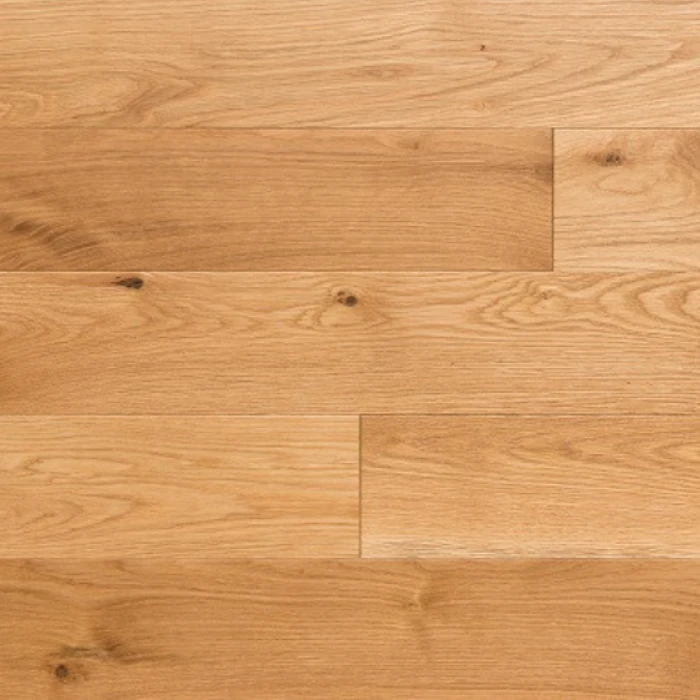
Ambient Oak White Oak Natural
Engineered hardwood
Width: 7 inches
Color: White Oak Natural
Grade: 1st Quality
$3.49 per sq ft
A real-wood comparison option for readers considering resilient flooring. This 7-inch engineered white oak replaces the unavailable HydroGuard maple example. It is not HRC, vinyl or a waterproof-flooring recommendation; do not transfer the former product's water-performance claims. Follow its installation and moisture limits.
Price checked October 22, 2026. Listed available stock: 3,520 sq ft. Prices and availability may change; confirm current quantity, grade and delivery terms before ordering.
Conclusion: What is Hybrid Resilient Composite (HRC) Flooring and Is It Worth It?
Hybrid Resilient Composite (HRC) flooring is a legitimately new and distinct category of flooring, not just a marketing rename. It blends wood fibers and resins to create a surface with the scratch resistance of stone and the installation ease of traditional planks, putting it in a class that neither laminate nor standard vinyl can fully occupy on their own.
In 2026, HRC is the right conversation to have if you need a waterproof floor with commercial-grade scratch resistance and a realistic hardwood look. If budget is the primary driver, a dense SPC waterproof vinyl plank delivers excellent performance at a lower cost. And if real wood character and long-term home value matter most to you, engineered hardwood is still one of the best discount flooring investments available.
We've been helping homeowners navigate these exact decisions for over 50 years, and we believe you deserve clear information before you spend a dollar. Call us, browse our inventory, or order up to 4 free samples to see these floors in your actual space before committing.
Frequently Asked Questions
Is Hybrid Resilient Composite (HRC) flooring actually waterproof?
Yes, 100%. The polymerized composite core in HRC flooring is water-impervious by design, which means it won't swell, buckle, or warp from water exposure the way engineered hardwood can. This makes it a strong choice for kitchens, bathrooms, laundry rooms, and basements.
What is the difference between HRC flooring and SPC vinyl plank?
SPC (Stone Plastic Composite) vinyl plank is technically a type of core used within the broader HRC category, but in the retail market it's sold as a separate, more affordable product. SPC is extremely dense and fully waterproof, making it a great lower-cost alternative. True HRC products often go further with PVC-free cores, higher-grade wear layers, and more advanced EIR texture technology.
Is HRC flooring worth the cost compared to cheap vinyl plank?
It depends on what you're optimizing for. If you need the best scratch resistance, the healthiest indoor air quality (PVC-free options), and the most realistic wood or stone visuals, HRC is worth the step up. If you just need a solid, dense, waterproof floor at a low price, a quality SPC vinyl plank does the job extremely well without the premium cost.
Can Hybrid Resilient Composite (HRC) flooring be installed over existing floors?
In most cases, yes. HRC flooring uses a floating click-lock installation system, which means it can go over most flat, structurally sound existing surfaces without adhesives or nails. The pre-attached underlayment layer handles minor subfloor imperfections and helps with sound and thermal insulation.
How does HRC flooring hold up against pets?
Very well. The commercial AC4 or AC5 wear layers used in HRC flooring are specifically engineered with aluminum oxide or ceramic bead technology to resist scratches from pet claws. This is one of the main reasons HRC has gained so much traction with pet owners who want a hardwood look without the ongoing scratch damage that real wood or thinner vinyl products suffer.
Is HRC flooring a good choice for a basement?
Yes, it's actually one of the best choices for a basement. The 100% waterproof core handles moisture from below without warping, and the rigid construction stays stable through temperature and humidity changes that are common in below-grade spaces. Engineered hardwood is a riskier pick in a basement; HRC or a dense SPC vinyl plank is the safer call.
Does HRC flooring look as good as real hardwood or laminate?
Modern HRC floors using EIR (Embossed-in-Register) technology get very close, aligning the physical texture of the plank surface with the printed wood grain pattern beneath it. Most people can't tell the difference at a glance. That said, real wood has natural variation and character that a printed layer can't fully replicate, which is why engineered hardwood still holds its place for buyers who want the genuine article.