
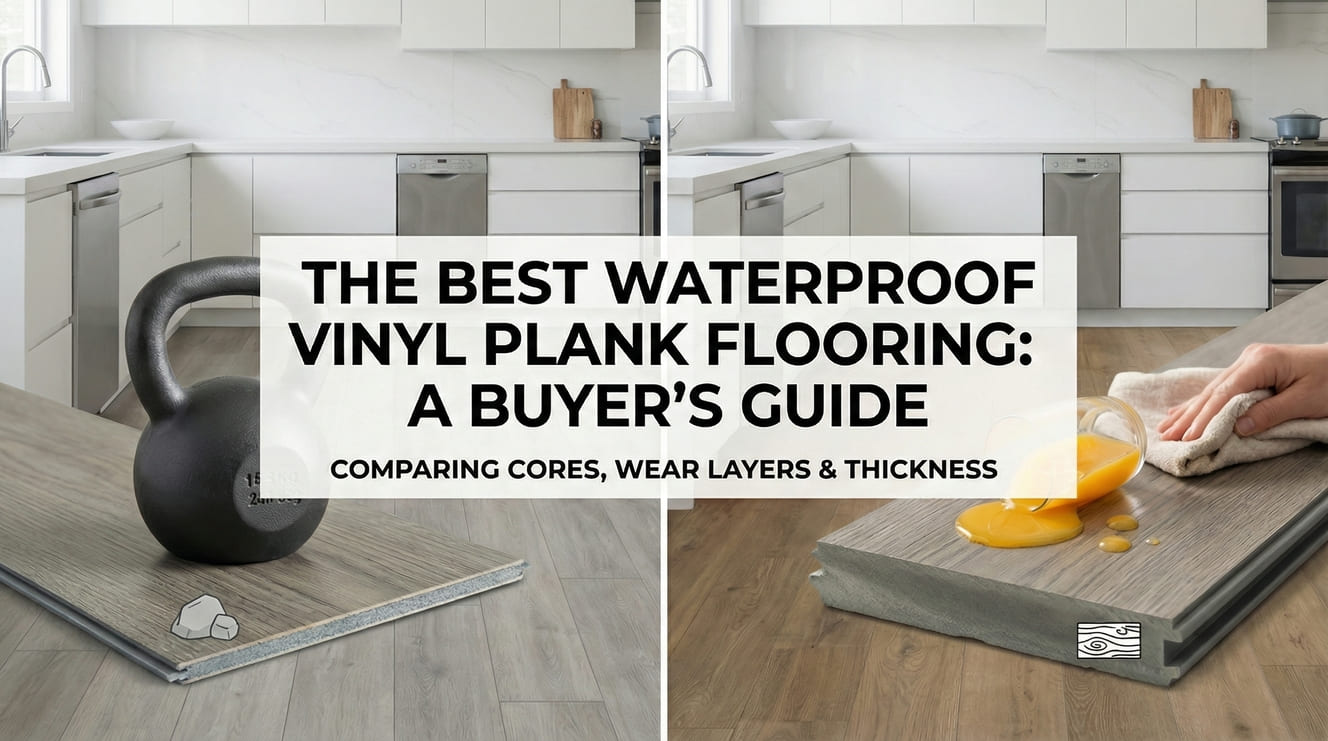
It's Saturday morning. Your kid knocks over a full glass of orange juice. The no-pulp liquid spreads across your floor. You'r freaking out because the hardwood could stain or warp, or your tile grout will asborb the jucie and erode over time. We all would rather not need the extra panicking about permanent stains or warping board. Calmly grabbing a towel, wiping it up, and moving on with your day is our Gandi-like goal reaction for small accidents. No stress. No damage. No problem.
That's the reality of living with waterproof vinyl plank flooring—and why so many homeowners are making the switch from traditional hardwood and laminate. But here's the thing: not all vinyl plank is created equal, and the marketing hype doesn't always tell you what actually matters.
This guide cuts through the noise. We're going to talk about the three specs that determine whether your floor will last 10 years or 25: core type, plank thickness, and wear layer. Understand these, and you'll know exactly what you're paying for—and what you can skip.
Why Waterproof Vinyl Plank Has Taken Over
Before we dive into specs, let's be clear about what makes luxury vinyl plank (LVP) different from the vinyl flooring your grandmother had in her kitchen. Modern LVP is an engineered product with multiple specialized layers working together: a protective wear layer on top, a photographic print layer that replicates wood grain with impressive accuracy, a rigid core that provides structural stability, and a backing layer for cushioning and sound absorption.
The result? A floor that looks remarkably like hardwood, handles moisture like tile, and costs a fraction of both. For busy households dealing with pets, kids, and the general chaos of daily life, it's a practical choice that doesn't sacrifice style.
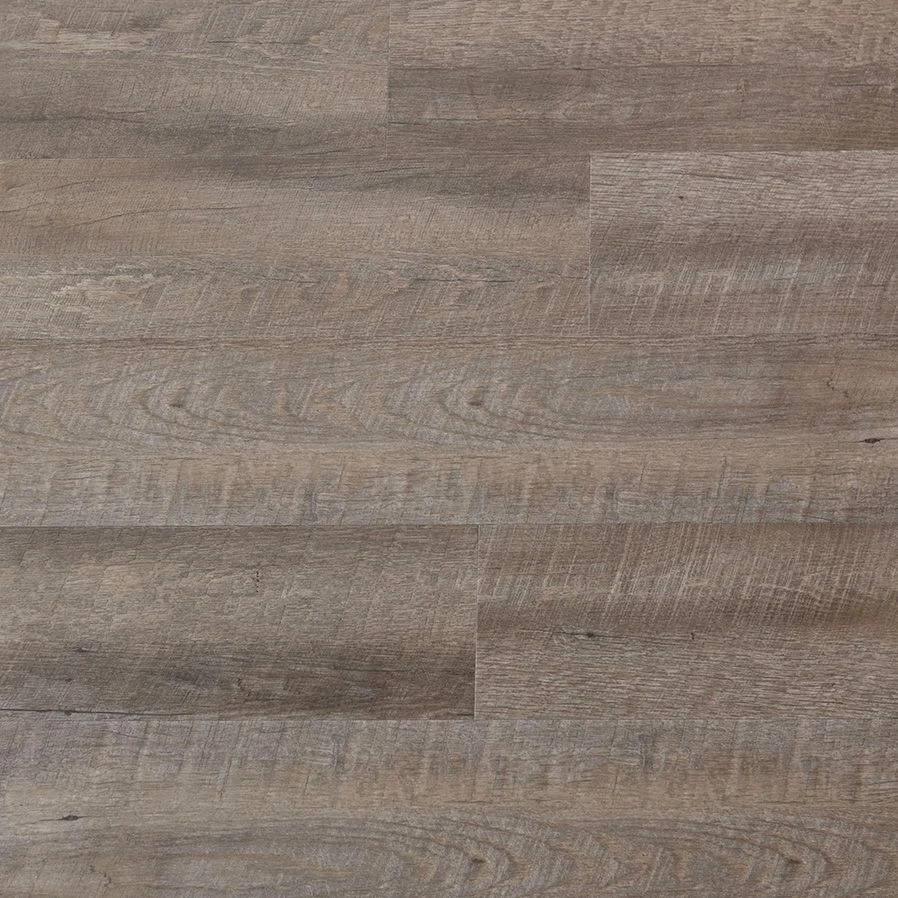
Color: Oak Anise
- Width: 7 Inch
- Wear Layer: 12 mil
- Install: Floating
The First Spec: SPC vs. WPC Core Technology
This is the most important decision you'll make when shopping for waterproof vinyl plank. The core determines everything: how the floor feels underfoot, how it handles temperature changes, how well it hides subfloor imperfections, and how it performs under heavy furniture.
SPC (Stone Polymer Composite): The Rigid Option
SPC cores are made from a dense combination of limestone powder and stabilizers. Think of it as the "industrial strength" option. These floors are exceptionally rigid, which means they won't dent under heavy appliances or furniture legs. They're dimensionally stable—they won't expand and contract much with temperature swings—making them ideal for sunrooms, areas near large windows, or homes without consistent climate control.
The trade-off? SPC feels harder underfoot. It's less forgiving if you're standing in the kitchen for hours, and it transmits more sound when you walk on it. Some people describe it as feeling similar to tile. That's not necessarily bad—it's just different.
Choose SPC if: You have high-traffic areas, heavy furniture, temperature fluctuations, or need maximum dent resistance. It's also the better choice for light commercial applications.
WPC (Wood Polymer Composite): The Comfort Option
WPC cores blend wood-plastic composite materials to create a softer, more resilient surface. These floors feel warmer and more comfortable underfoot—closer to how traditional hardwood feels. They're also naturally better at sound dampening, reducing that hollow echo you sometimes get with harder flooring materials.
WPC planks tend to be thicker (often 5-8mm compared to 3.5-5mm for SPC), which helps them bridge minor subfloor imperfections. This can save you money on floor preparation. The downside? They're slightly more susceptible to denting under extreme weight, though quality WPC products still far outperform traditional laminate.
Choose WPC if: Comfort is a priority, you're installing in living areas or bedrooms, you want better sound absorption, or your subfloor has minor irregularities you'd rather not fix.

Color: Oak Brown
- Width: 5 Inch
- Wear Layer: 12 mil
- Install: Float/Glue
The Second Spec: Wear Layer Thickness
The wear layer is your floor's first line of defense against scratches, scuffs, and everyday abuse. It's measured in "mil" (one-thousandth of an inch—not millimeters), and this number directly determines how long your floor will look new.
Here's the honest breakdown:
6-8 mil: Budget-friendly, suitable for low-traffic areas like guest bedrooms or formal dining rooms. Expect 10-15 years of good performance. This is fine if you're flooring a rental property or a room that doesn't see much action.
12 mil: The sweet spot for most homes. Handles living rooms, hallways, and standard residential traffic with ease. You're looking at 15-20 years before showing significant wear. For the vast majority of homeowners, this is the smart choice—durable enough for real life without paying for overkill.
20 mil: Heavy-duty protection for kitchens, entryways, mudrooms, and homes with large dogs or active kids. This is the "I don't want to think about my floors for 20-25 years" option. Worth the upgrade if your household puts serious demands on your flooring.
30+ mil: Commercial-grade. Overkill for most homes, but appropriate for rental properties that see tenant turnover, home gyms, or anyone who wants maximum longevity.
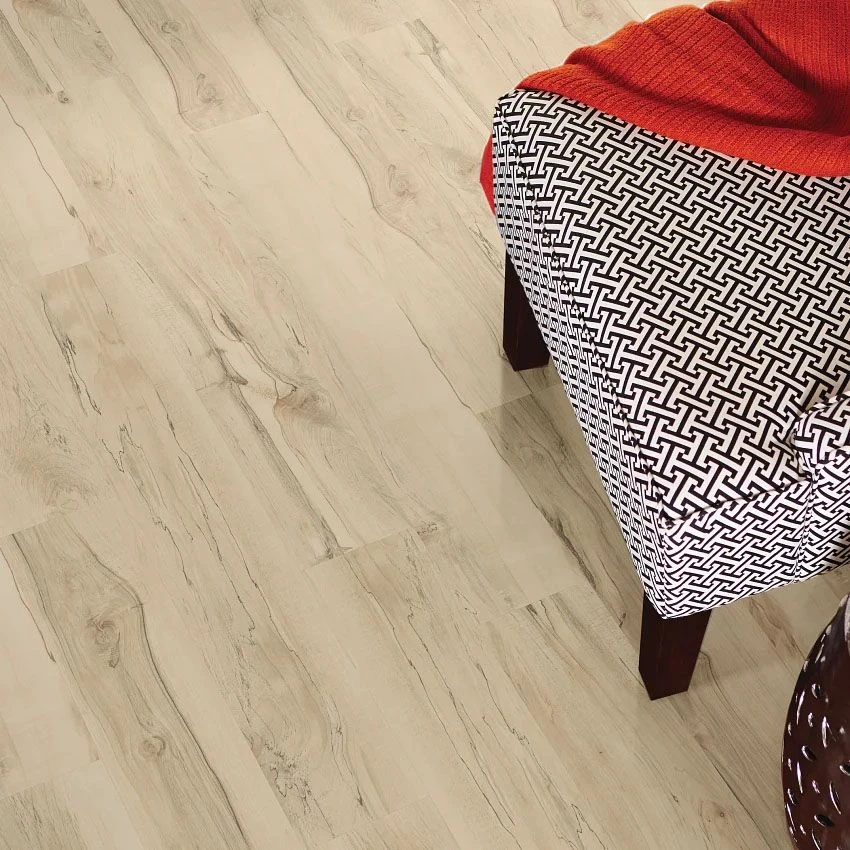
Color: Mineral Maple
- Width: 7 Inch
- Wear Layer: 20 mil
- Quality: 1st Quality
The Third Spec: Overall Plank Thickness
Don't confuse wear layer thickness with overall plank thickness—they measure different things. The total thickness of the plank affects how the floor feels, how it sounds, and how forgiving it is of subfloor problems.
4mm or less: Entry-level products. These work fine over perfectly smooth, level subfloors, but they'll telegraph every bump and imperfection underneath. They also feel thinner and less substantial when you walk on them.
5-6mm: Standard residential thickness. A good balance of cost and performance for most applications. This is where you'll find the bulk of quality options.
7-8mm: Premium feel with better sound dampening and more forgiveness for minor subfloor irregularities. If you're installing over concrete or an older subfloor that's not perfectly flat, this extra thickness can save you significant prep work.
8mm+: Luxury-grade thickness. Maximum sound absorption, the most substantial feel underfoot, and the best ability to hide subfloor imperfections.
Here's the key insight: a well-engineered 5mm floor with quality materials will outperform a poorly made 8mm floor. Thickness matters, but it's not the only factor. Look at the complete picture—core type, wear layer, and overall construction quality.
Waterproof vs. Water-Resistant: Know the Difference
This distinction matters more than most shoppers realize. "Water-resistant" flooring can handle light splashes and brief moisture exposure, but it will eventually absorb water if left wet for extended periods. Traditional laminate falls into this category—its wood-based core will swell when saturated.
Truly waterproof vinyl plank features a core that will not absorb water, period. You could theoretically submerge these planks for days without structural damage. This makes waterproof LVP suitable for bathrooms, basements, laundry rooms, kitchens—anywhere significant moisture exposure is likely.
If you're installing in a moisture-prone area, don't compromise. Look for products explicitly labeled as waterproof, not just water-resistant.
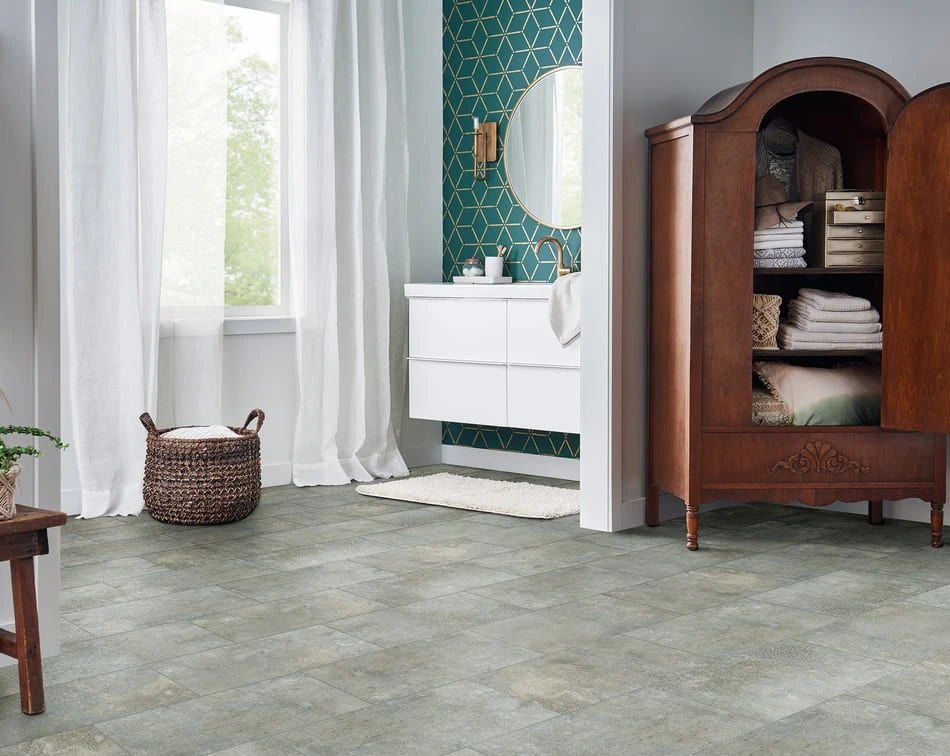
Color: Stone Gray
- Width: 12 Inch
- Wear Layer: 22 mil
- Texture: Embossed
The Attached Underlayment Question
Many quality waterproof vinyl products come with pre-attached underlayment—a cushioned backing built into each plank. This offers real advantages: better sound reduction, added comfort underfoot, faster installation (no separate padding to roll out), and consistent performance throughout the floor.
However, attached underlayment doesn't eliminate all subfloor requirements. In basements or over concrete, you may still need a separate vapor barrier. Always check the manufacturer's guidelines for your specific subfloor situation.
What to Actually Spend
Waterproof vinyl plank typically ranges from $1.50 to $5 per square foot for materials. Here's how to think about that range:
$1.50-2.50/sq ft: Quality entry-level options. You can find solid 12 mil wear layers and decent core construction at this price point. For budget-conscious projects or rooms that don't see heavy traffic, this range delivers legitimate value.
$2.50-4.00/sq ft: The sweet spot for most homeowners. Expect 20+ mil wear layers, quality SPC or WPC cores, attached underlayment, and more realistic wood-grain visuals. This is where you get the best balance of durability, aesthetics, and value.
$4.00+/sq ft: Premium territory. You're paying for the most realistic visuals, thicker planks, enhanced warranties, and often commercial-grade specs. Worth it for high-visibility areas or if you simply want the best available.
The key insight? You don't need to buy the most expensive product to get excellent performance. Focus on the specs that matter for your situation—core type, wear layer, and thickness—and you can often find products that deliver premium performance at mid-range prices.
Installation: What You Need to Know
Even the best waterproof vinyl can fail if installed incorrectly. A few essentials:
Subfloor prep matters. The surface needs to be clean, level (within 3/16" over 10 feet), and dry. Waterproof flooring doesn't mean you can skip this step—an uneven subfloor will stress the locking system and create problems over time.
Acclimate the product. Leave unopened cartons in the installation room for 48-72 hours before starting. This lets the planks adjust to your home's temperature and humidity, preventing post-installation expansion or contraction issues.
The click-lock system is your moisture barrier. Modern floating floors create tight seals between planks that prevent water from reaching the subfloor. Proper installation technique—ensuring each plank fully engages with its neighbors—is crucial for waterproof performance.
Maintenance: Keeping Your Floor Looking New
One of the biggest advantages of waterproof vinyl plank is how easy it is to maintain. Here's the simple version:
Do: Sweep or vacuum regularly. Clean spills promptly with a damp cloth. Use pH-neutral cleaners formulated for vinyl. Put furniture pads under heavy pieces. Use doormats at entrances.
Don't: Use steam mops (they can force moisture into seams). Apply wax or polish. Use abrasive scrubbers. Let standing water sit for extended periods. Drag heavy furniture across the surface.
For stubborn stains, warm water with a few drops of dish soap usually does the trick. That's it. No refinishing, no special treatments, no professional cleaning services required.
Making Your Decision
Choosing the best waterproof vinyl plank flooring comes down to matching specs to your actual needs:
For high-traffic areas, kitchens, and homes with pets: Go with SPC core, 20 mil wear layer, 5-6mm thickness minimum. The rigidity and scratch resistance will pay off.
For living rooms, bedrooms, and comfort-focused spaces: WPC core, 12-20 mil wear layer, 6-8mm thickness. You'll appreciate the softer feel and better sound absorption.
For basements and moisture-prone areas: Either core type works, but prioritize verified waterproof ratings and consider your subfloor's vapor barrier needs.
For budget-conscious projects: A 12 mil wear layer with quality construction will serve most homes well. Don't overspend on specs you don't need.
The beauty of today's waterproof vinyl plank market is that you don't have to choose between quality and affordability. By understanding what the specs actually mean, you can find flooring that handles real life—spills, pets, kids, and all—without breaking your budget.
Browse our full selection of waterproof vinyl plank flooring to find the right specs for your project. Questions? We're here to help you find the best value for your specific situation.