


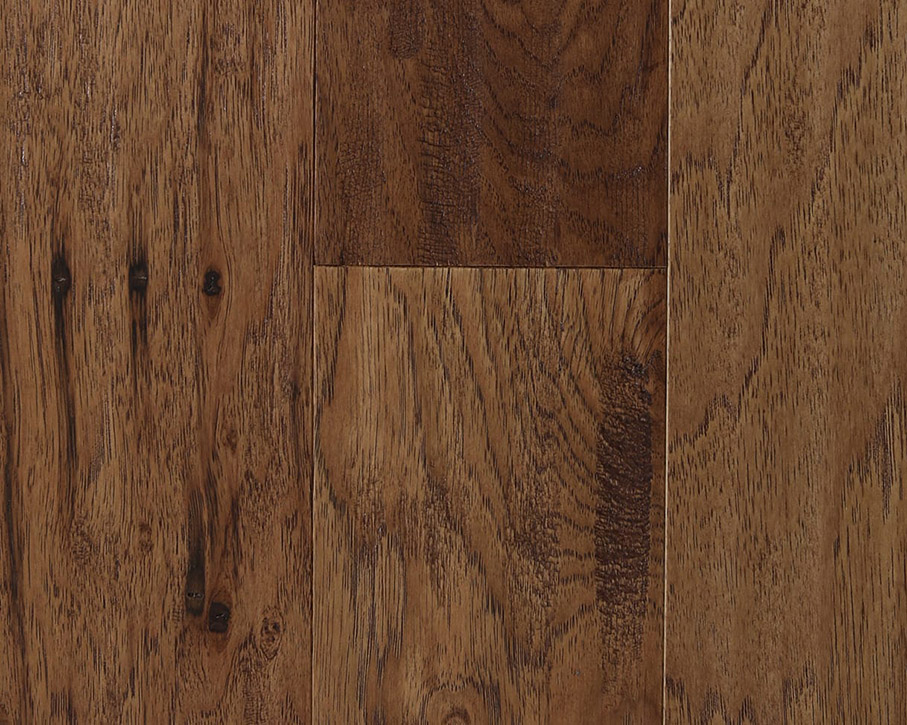
The modern farmhouse aesthetic has taken the interior design world by storm, and nothing defines this look more than the flooring beneath your feet. Wide plank flooring has become the darling of home renovation shows, promising to transform cramped spaces into airy, open sanctuaries. But before you rip out your existing floors, there's a crucial conversation we need to have before you focus on only one kind of width selection.
It's not just about aesthetics. The choice between a classic 2 ¼" narrow strip and a 4", 5", or 6"+ wide hardwood option affects everything from your installation budget to the long-term stability of your floors. Most flooring salespeople focus on what looks good in the showroom, but they rarely discuss the science of wood movement or why that gorgeous solid hardwood plank with a 7" board might buckle in your climate.
This guide breaks down the visual tricks that make rooms feel larger, the real cost differences between plank sizes, and the critical "cupping" warning for solid flooring options that could save you thousands in repairs. If your heart is dead set on a wide plank floor check out the best deals on wide plank flooring here.
Table of Contents
- Introduction
- The Wide Plank Visual: Does a Wide Board Expand the Space?
- Why Classic Narrow Strip is Making a Comeback
- Wood Flooring Reality Check: Stability and Planks
- A Plank Budget Breakdown and Width Selection
- The Plank Sized Flooring Decision
The Wide Plank Visual: Does a Wide Board Expand the Space?
Fewer Seams, Cleaner Lines
One of the most significant visual advantages of a wide hardwood floor is the reduced number of seams from a lesser amount of planks laying across your floor. When you install boards that span 5" to 8" in width, you create far fewer joint lines compared to a narrow plank. This less "busy" floor pattern creates a calming, continuous look that tricks the eye into perceiving a larger, more open concept space. The human brain interprets narrow planks with fewer visual interruptions as more expansive square footage.
The "Luxury" Factor
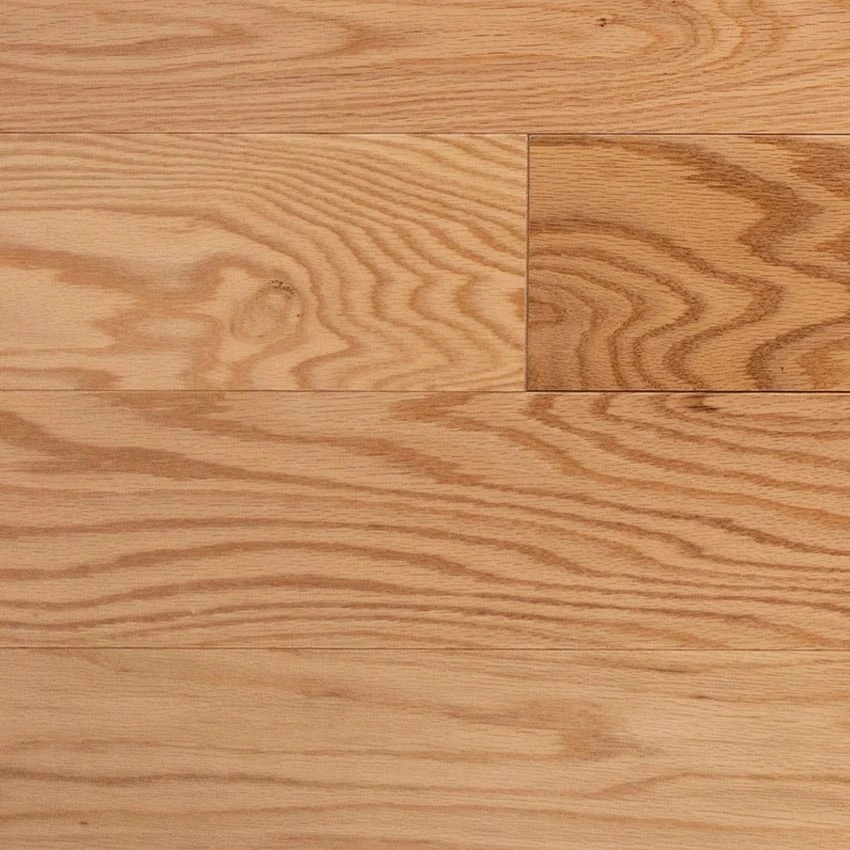
Historically, a wide plank wooden floor was a sign of wealth and premium craftsmanship. In colonial America, only the finest homes featured boards cut from the heart of massive old-growth trees. Today, that association with luxury remains, giving plank hardwood flooring an upscale, sophisticated appearance that narrow strips simply can't match. Modern minimalist and farmhouse designs especially benefit from this clean, high-end look.
Best Use Cases
Wide boards shine in:
- Large living rooms and great rooms
- Open floor plans with connected spaces
- Rustic, farmhouse, or contemporary designs
- Rooms with minimal furniture where the floor becomes a focal point
Why Classic Narrow Strip is Making a Comeback
The Traditional Aesthetic
Don't count out the classic 2 ¼" or 3 ¼" narrow plank flooring just yet! This timeless profile has graced historic homes, New England cottages, and even gymnasium floors for over a century. There's a reason it never truly goes out of style. These two product widths offer a refined, understated elegance that works with virtually any design scheme, from colonial to contemporary. A wide plank floor doesn't make a thinner hardwood product look like chopped liver in comparison, a wide plank is simply in style right now.
Elongating a Room
Here's a secret: narrow hardwood flooring can actually make certain spaces feel larger. The linear lines created by these boards draw the eye forward, making rooms appear longer like how a vertical lines makes a person person appear thinner and taller. In hallways, galley kitchens, or smaller bedrooms, this directional effect can make the space feel bigger. Even if the flooring on display is a thin plank floor. The impact of plank size on perception depends entirely on your room's proportions and layout.
Pattern Possibilities
Narrower boards offer incredible versatility for creative installations. They're ideal for:
- Herringbone patterns
- Chevron designs
- Mixed-width installations
- Parquet borders
- Traditional diagonal layouts
Wood Flooring Reality Check: Stability and Planks
The Science of Wood Movement
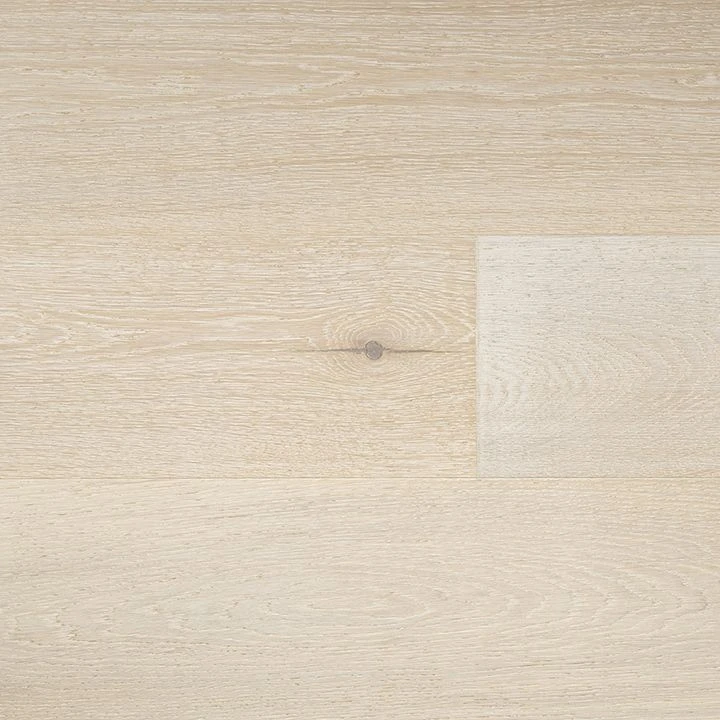
Here's what most showrooms won't emphasize: all hardwood planks expand and contract with seasonal humidity changes. Wood is hygroscopic, meaning it absorbs and releases moisture from the air. This natural movement is unavoidable, but its effects vary dramatically based on board width.
The "Cupping" Risk
This is the most critical point for homeowners considering wider planks. A 5"+ solid board has significantly more surface area to absorb moisture than a 2 ¼" strip. When humidity levels fluctuate, which happens in most climates in the US, wide plank solid boards are substantially more prone to cupping (edges higher than the center) or crowning (center higher than edges). A tree loves to absorb water, when that tree is chopped down to create a wide plank floor, don't gasp when it still likes a take sip! Engineered hardwood is built to prevent the cupping with its multi-layered core construction.
Cupping Risk by Width:
| Board Width | Cupping Risk | Recommended Installation |
|---|---|---|
| 2 ¼" - 3 ¼" | Low | Nail-down |
| 4" - 5" | Moderate | Nail + glue assist |
| 6"+ | High | Full spread glue + nails |
Installation Matters
Wide planks typically require both nailing and gluing (or full spread adhesive) to hold them flat and minimize cupping from a solid wood flooring product. This dual-method installation adds significant labor costs compared to a narrow plank, which can usually be installed with nailing alone. Professional installers charge $1.50 to $5.00 more per square foot for wide plank installations.
A Plank Budget Breakdown and Width Selection
Material Yield and Cost Factors
Here's where price becomes a major factor in your choice:
Narrow strips (2 ¼" - 3 ¼"): These are often produced from the outer sections of a log, making them more abundant and economical. Expect to pay $4-$8 per square foot for quality solid oak or maple.
Medium-width planks (4" - 5"): The sweet spot for many homeowners, balancing style and cost at $6-$12 per square foot.
Wide boards (6"+): These require premium center heartwood cuts, driving prices to $10-$20+ per square foot for solid options.
The Engineered Alternative
Engineered wood plank floors offer excellent stability in wider widths because the cross-layered construction resists moisture movement. This makes them an ideal compromise for homeowners who want the look of wide boards without the cupping risk.
Cost Comparison Table:
| Material Type | 3" Width | 5" Width | 7" Width |
|---|---|---|---|
| Solid Hardwood | $5-8/sq ft | $8-12/sq ft | $12-20/sq ft |
| Engineered | $4-7/sq ft | $6-10/sq ft | $8-15/sq ft |
The Sweet Spot for Most Homes
For homeowners balancing budget, stability, and contemporary style, a 3 ¼" to 4" wood floor often represents the ideal compromise. These dimensions offer:
- Reasonable pricing
- Better moisture stability than ultra-wide options
- A modern look without appearing too trendy
- Easier installation and lower labor costs
The Plank Sized Flooring Decision
The debate between wide and narrow hardwood ultimately comes down to your specific space, climate, and preferences. Wide boards create that coveted open, luxurious feel and work beautifully in large rooms, but they come with higher costs and legitimate stability concerns in solid wood formats. Narrow strips offer timeless appeal, budget-friendly pricing, and superior dimensional stability; making them the practical choice for many homes.
Consider your home's characteristics carefully: Does your HVAC maintain consistent humidity levels? Do you live in a climate with dramatic seasonal swings? Is your installation area a large open space or a smaller room where elongation matters more than width?
Unsure which size fits your home's humidity levels and design goals? Call our flooring experts at 1-800-253-2728. We can help you find a stable, beautiful floor that fits your budget, whether that's a solid strip or an engineered wide option!


