


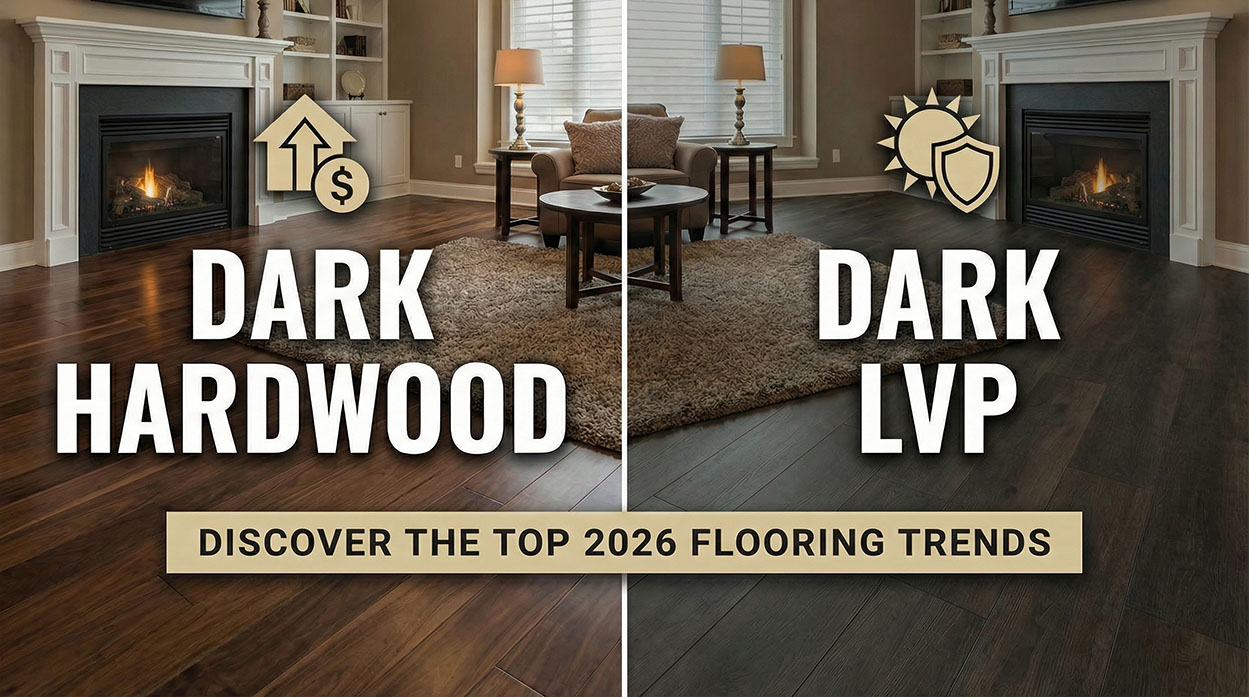
If you're shopping for flooring in 2026, you've likely found yourself caught in the same debate as thousands of other homeowners: should you go with dark hardwood or dark LVP? It's a fair question. Dark wood floors bring undeniable warmth and sophistication to any space, but luxury vinyl plank has earned a reputation for practicality and affordability.
Here's what's changed: the old assumption that real hardwood costs two to three times more than vinyl no longer holds true across the board. When you can get authentic, USA-made dark hardwood at prices competitive with premium LVP, the value equation shifts dramatically. Let's break down this comparison honestly—acknowledging where LVP genuinely excels, then making the case for why real wood wins on total value in 2026.
The Case for Dark LVP: What It Does Well
Before we advocate for hardwood, let's give credit where it's due. LVP flooring has earned its market share for legitimate reasons, and dismissing those advantages would be disingenuous.
Water Resistance Is LVP's Genuine Strength
This is where vinyl flooring holds an undisputed advantage. Premium LVP products feature a 100% waterproof core, meaning you can install them in bathrooms, laundry rooms, and basements without the anxiety that comes with moisture-prone areas. Hardwood—whether solid or engineered—remains vulnerable to standing water, and that's simply the reality of working with a natural material.
For spaces where water exposure is frequent and unavoidable, LVP makes practical sense. No amount of value calculation changes the physics of wood and water.
Surface-Level Scratch Performance
LVP's wear layer handles the daily assault of pet claws, chair legs, and dropped objects reasonably well during its functional lifespan. For households with multiple large dogs or heavy foot traffic, this matters in the short term. The caveat—which we'll address later—is what happens when that wear layer eventually fails.
DIY-Friendly Installation
Click-lock vinyl plank systems install without glue, nails, or extensive acclimation periods. For confident DIYers looking to save on labor costs, this accessibility is genuinely appealing. Hardwood installation typically demands more skill, more tools, and more patience.
So why would anyone choose hardwood over these advantages? Because the benefits above come with trade-offs that matter significantly more over the lifetime of your floor—and your home.
Where Dark Hardwood Wins: The Long-Term Value Case
Authenticity You Can See and Feel
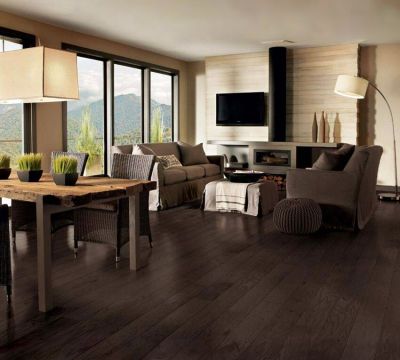
Dark stains on real wood grain create depth and variation that printed imagery simply cannot replicate. Every plank of hardwood floors tells a slightly different story—unique grain patterns, natural color variation, and texture you can feel underfoot. LVP, by contrast, relies on photographic layers that repeat every five to ten planks. Once you know to look for it, the pattern repetition becomes impossible to unsee.
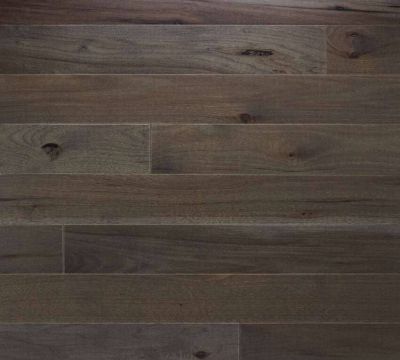
There's also the tactile difference. Wood feels warm; vinyl feels like plastic because it is plastic. When you're investing in flooring that will anchor your living spaces for decades, that sensory authenticity matters.
This isn't just subjective preference—it's aligned with where design is heading. According to Elle Decor's 2026 kitchen trend report, natural wood is making a decisive comeback. Designers report that clients increasingly request "warmer" spaces featuring real wood elements. Dark hardwood delivers exactly what design-conscious buyers want: authentic materials that ground a space and create visual depth for the earth-toned color palettes dominating modern interiors.
Resale Value and Home Appraisal Impact
Here's where the financial case becomes concrete. Real estate professionals consistently rank hardwood among the top features buyers seek. The National Association of Realtors has documented this preference repeatedly—hardwood adds perceived and actual value to a home, while LVP registers as neutral at best.
When appraisers evaluate your property, they distinguish between real wood and synthetic alternatives. Your flooring choice affects which comparable sales apply to your valuation.
Dark hardwood specifically carries timeless appeal that works with both contemporary and traditional aesthetics, meaning it won't date your property the way trend-driven materials can.
If you're curious about how to maximize the design impact of your flooring investment, our guide on whether floors should be darker or lighter than walls breaks down the visual principles at play.
The 30-Year View: Longevity and Repairability
This is where the value calculation becomes undeniable. Consider the realistic lifespan of each flooring type:
- Hardwood lifespan: 50 to 100+ years with periodic refinishing
- LVP lifespan: 10 to 20 years, then complete replacement (refinishing is impossible)
Dark hardwood can be sanded and refinished multiple times throughout its life. Scratches, wear patterns, and even color preferences can be addressed without replacing the floor. Want to lighten your floors in fifteen years if trends shift? Refinishing makes that possible. With LVP, once the wear layer scratches through, the floor is finished—literally. Your only option is removal and replacement.
When you calculate cost-per-year-of-use, hardwood that lasts 75 years versus LVP replaced three times in the same period tells a clear story.
The "cheaper" option becomes dramatically more expensive over time.
Environmental and Health Considerations
For families weighing their flooring options, material composition matters. Hardwood is a natural, renewable resource. USA-made hardwood—like what we offer—avoids the carbon footprint of overseas shipping and the quality uncertainties that have plagued imported flooring products.
LVP is petroleum-based plastic. While modern products have improved, some homeowners remain concerned about off-gassing and the long-term presence of synthetic materials in their living spaces. Solid hardwood doesn't carry those same material questions.
The Price Myth That's No Longer True
For years, the hardwood vs. LVP debate hinged on a simple assumption: real wood costs dramatically more. That assumption deserves reexamination in 2026.
What Premium Dark LVP Actually Costs
Quality matters with LVP. Budget options exist at $1-2 per square foot, but the photographic quality drops noticeably—you get floors that look like what they are: printed plastic. Premium dark LVP that actually resembles wood typically runs $3-6 per square foot for materials alone. Add professional installation at $2-4 per square foot, and you're looking at $5-10 per square foot installed.
What USA-Made Dark Hardwood Costs Today
Here's where assumptions break down. At Really Cheap Floors, dark hardwood options start at prices that achieve near-parity with premium LVP. The gap that once made hardwood prohibitive for budget-conscious homeowners has collapsed dramatically for those who know where to look.
Yes, hardwood installation typically costs more than click-lock vinyl if you hire professionals. But the product cost difference—which was once the primary barrier—has largely disappeared. When dark flooring tends to be a long-term design choice rather than a trend you'll want to reverse in five years, investing in the real thing makes financial sense.
Total Cost of Ownership: The Real Calculation
Smart homeowners think beyond the initial invoice. Consider the complete picture:
| Factor | Dark Hardwood | Premium Dark LVP |
|---|---|---|
| Material Cost (per sq ft) | $3-6 | $3-6 |
| Realistic Lifespan | 50-100 years | 10-20 years |
| Refinishable | Yes (multiple times) | No |
| Resale Value Impact | Positive | Neutral |
| Water Resistance | Low | High |
| Authenticity | Real wood grain | Printed image layer |
| 30-Year Cost (with replacements) | Original cost + one refinish | 2-3x original cost |
Refinishing hardwood typically costs $3-5 per square foot. Full LVP replacement runs $5-10 per square foot installed. Over three decades, the "affordable" vinyl option often costs two to three times more than the hardwood floor that outlasts it.
Flooring Pros and Cons: An Honest Assessment
Let's consolidate the flooring pros and flooring cons for each option to help you make the right choice for your specific situation.
Dark Hardwood Advantages
- Authentic appearance with unique grain variation
- 50-100+ year lifespan with proper care
- Can be refinished multiple times
- Adds measurable resale value
- Aligns with 2026 natural material design trends
- Dark floors hold their rich appearance when properly maintained
- Warm underfoot, not cold like synthetic materials
Dark Hardwood Limitations
- Vulnerable to water damage—not ideal for bathrooms
- Shows dust and pet hair more readily than light floors
- Professional installation typically recommended
- Can be more expensive than light flooring when comparing within the hardwood category itself
Dark LVP Advantages
- 100% waterproof for moisture-prone areas
- DIY-friendly click-lock installation
- Initial scratch resistance from wear layer
- No acclimation period required
Dark LVP Limitations
- 10-20 year maximum lifespan
- Cannot be refinished when wear layer fails
- Pattern repetition visible on close inspection
- No positive resale value impact
- Synthetic material concerns for some families
When Each Choice Makes Sense
Honest advice means acknowledging that no single flooring solution works for every situation. Here's a framework for deciding:
LVP Is the Right Call When:
- You're installing in a full bathroom with a shower or tub
- Your basement has documented moisture intrusion issues
- You own a rental property where waterproofing trumps resale premium
- Your budget has zero flexibility beyond the lowest-cost options
Dark Hardwood Is the Right Call When:
- You're flooring main living areas, kitchens, bedrooms, or dining rooms
- You plan to stay in your home five or more years
- Maximizing resale value matters to your long-term plans
- You value the look and feel of authentic materials
- You want flooring that can evolve with you through refinishing
- Your budget reaches premium LVP pricing—because that now gets you real wood
If you're leaning toward dark hardwood for your living spaces, our guide on dark wood floors in living rooms offers design inspiration and practical considerations.
Why USA-Made Matters for Your Hardwood Purchase
The online flooring market carries baggage. Import quality scandals, formaldehyde concerns, and products that don't match their photographs have made consumers rightfully cautious. When you're buying hardwood sight-unseen, origin and manufacturing standards matter enormously.
USA-made hardwood means domestic quality control, adherence to American safety standards, and no overseas shipping damage or months-long lead times. It's not just patriotism—it's practical risk reduction for a major purchase.
At Really Cheap Floors, our pricing comes from a direct-to-consumer model, not inferior materials. We offer the same species and quality grades you'd find at big-box retailers, without the markup that traditionally made hardwood inaccessible to budget-conscious homeowners.
A Note on Maintenance and Light Exposure
One consideration worth mentioning: while light-colored hardwood floors can fade faster than darker ones when exposed to direct sunlight, all wood flooring benefits from UV protection through window treatments in sunny spots throughout your home. Dark floors may show dust more readily, but they also hide certain types of wear patterns better than their lighter counterparts.
Proper care extends the life and beauty of any hardwood floor. For styling advice, including how to complement your dark floors with area rugs, see our guide on finding the best rug for dark wood floors.
The Bottom Line: Value Means More Than Price
LVP had its moment when hardwood was genuinely priced out of reach for average homeowners. That moment has passed for those willing to look beyond big-box retail.
When authentic, USA-made dark hardwood is available at prices competitive with premium vinyl, the case for real wood becomes overwhelming. You get a floor that looks better, feels better, lasts longer, refinishes instead of requiring replacement, and adds actual value to your largest financial asset.
The 2026 trend toward natural materials isn't a passing fad—it's a return to what never should have left. If your budget can reach $3-4 per square foot for materials, dark hardwood isn't just the aspirational choice. It's the smart one.
Ready to see what USA-made dark hardwood actually costs? Browse our dark wood floors collection and discover why thousands of homeowners are choosing authentic hardwood at prices that finally make sense.


