
Why the Right Area Rug Matters for Your Space
For over fifty years, the Cook family has been helping American homeowners transform their living spaces with beautiful, authentic hardwood flooring. At Really Cheap Floors, we understand that choosing the right flooring is just the beginning of creating a stunning home interior. While we take immense pride in offering USA-made hardwood at prices that often shock our competitors, we also know that the rugs you place on top of those gorgeous planks matters just as much. A well-chosen floor covering does more than add a splash of color to your room, it serves as the bridge between your flooring investment and your overall design vision.
The relationship between the rugs and the contrasting colors of your hardwood is a careful balancing act. When executed well, a good choice in rugs enhances the natural beauty of your flooring while adding warmth, texture, and visual interest to the space. When chosen poorly, even the most exquisite hardwood can look underwhelming or, worse, your entire room can feel disjointed and uncomfortable. This guide will walk you through everything you need to know about selecting the perfect rugs for darkly stained wooden floors, from rug color theory and design principles to practical considerations like materials and sizing.
Creating Visual Balance with Rugs in Your Space
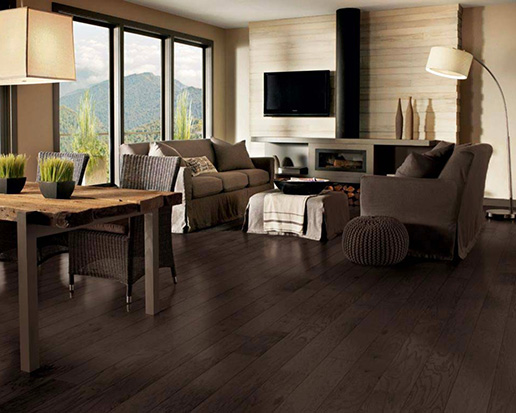
Darkly stained hardwood flooring creates a strong visual foundation in any room. Stains like walnut, espresso, and ebony bring richness and sophistication, but without careful design consideration, they can also make a room feel heavy or bottom-weighted. This is where the right area rug becomes an essential design tool. A thoughtfully selected piece with soft pastels will break up the visual weight of darker flooring, creating balance and preventing the eye from being drawn exclusively downward.

As an Amazon Associate prices subject to change.
Think of your room's visual balance like a seesaw. Deep-toned floors provide substantial weight on one side, and you need elements above—including furniture, wall colors, and floor coverings—to counterbalance that weight. A rug that contrasts with your darker flooring lifts the eye and distributes visual interest more evenly throughout the space. This principle is particularly important in rooms with lower ceilings or limited natural light, where a heavy floor without proper colored rugs to balance will make most spaces feel cramped.
Protecting Your Flooring Investment
Beyond aesthetics, a rug will serve a simple yet critical practical function. That is, to protect your hardwood from everyday wear and tear. Even the highest-quality flooring benefits from a strategic rug placement to add extra protection in high-traffic areas. The entryway, the path from your living room to the kitchen, the space beneath your dining table, all these zones experience significantly more foot traffic and, consequently, produce more wear than other parts of your home.
Properly placed area rugs absorb the impact of daily life, reducing scratches from furniture movement, minimizing wear patterns from repeated foot traffic, and protecting against accidental spills and stains,all with a colorful flair to boot! This protection is especially valuable with hardwood featuring darker stains, where scratches and wear marks tend to show more prominently than on lighter options. The cost of a quality floor covering is minimal compared to the expense of refinishing your hardwood prematurely, making this an investment that pays dividends over time.
Design Principles: Using Contrasting Colors to Pop
The most fundamental principle when selecting a floor covering for darkly stained hardwood is understanding the power of contrast. While there are certainly scenarios where a darker piece can work beautifully (which we will discuss later), the safest and most effective approach for most homeowners is to embrace the light-against-deep dynamic. This is not merely a matter of personal preference—it is rooted in basic design principles that professional interior designers have relied upon for decades.
The Rule of Contrast
Dark wood floors pair well with lighter-toned floor coverings because of how the human eye perceives and processes visual information. When two elements with significantly different values (lightness versus darkness) are placed next to each other, each element becomes more defined and visually interesting. Your deeply stained flooring makes the lighter piece appear more vibrant and clean, while the covering, in turn, makes your flooring appear richer and more dramatic. This mutual enhancement is the magic of contrast working in harmony.
Conversely, when you place a deeply toned floor covering on similarly dark flooring without careful consideration, the boundaries between floor and covering can blur, diminishing the visual impact of both elements. The eye struggles to distinguish where one ends and the other begins, creating a muddy or undefined appearance that wastes the potential of your beautiful hardwood.
Brightening the Room
One of the most practical benefits of choosing lighter rugs for your darkly prefinished solid hardwood is the impact on ambient light. Deep-toned flooring absorbs light rather than reflecting it, which can make rooms feel dimmer than they actually are—particularly in spaces with north-facing windows or limited natural light sources. A lighter covering acts as a reflective surface, bouncing available light around the room and creating a brighter, more open atmosphere.
This light-reflecting quality is especially valuable in living rooms and bedrooms where ambiance matters. The floor covering becomes a gentle source of illumination, softening shadows and creating warmth without requiring additional electrical lighting. For homeowners concerned about energy efficiency or simply wanting their spaces to feel more inviting, this natural brightness boost is an often-overlooked advantage of the light-on-deep strategy.
Creating a Focus Point on a Dark Wood Floor
Strategic use of contrast in a rug allows you to direct attention within a room. When you place a lighter rug beneath your dining table or coffee table, you create a visual anchor that draws the eye to that specific setting. This technique is invaluable for defining distinct zones within open floor plans or for highlighting furniture groupings that you want to showcase.
Consider a spacious living room with walnut-stained flooring. Without a floor covering, the furniture might appear to float aimlessly on the expanse of deeply toned planks. Add a substantial ivory or beige piece beneath your seating arrangement, and suddenly there is definition—a clear living space that feels intentional and designed. Thats how rugs become a stage upon which your furniture performs, grounding the space and giving it purpose.
Top Color Picks for Deep-Toned Flooring
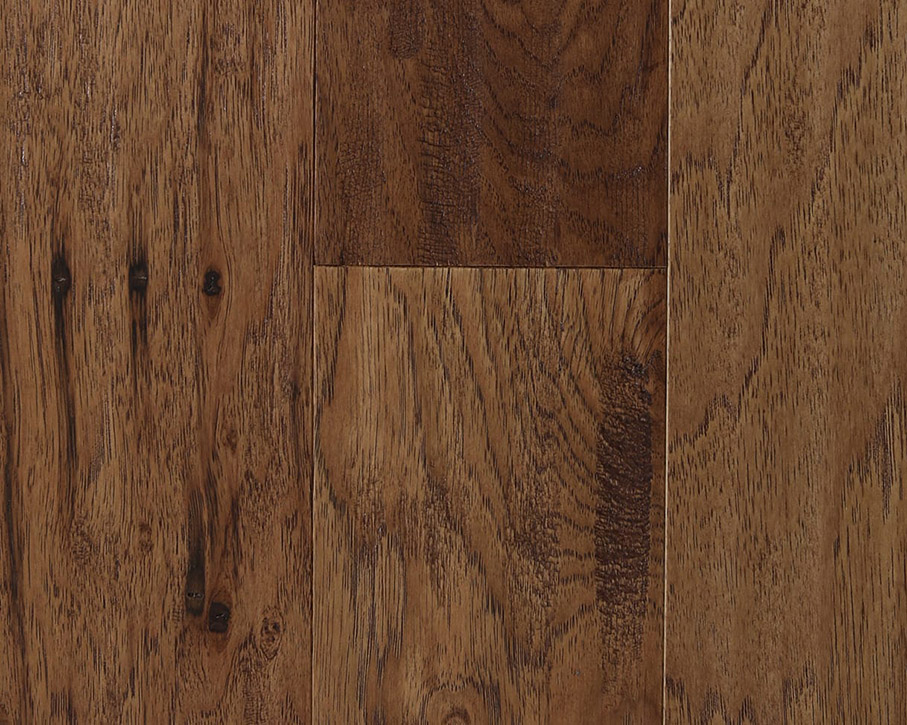
Now that we understand the principles behind floor covering selection, let us explore specific hue recommendations. When choosing a rug color for your deeply stained hardwood, you must first consider whether your flooring has warm or cool undertones. Espresso and walnut stains typically lean warm, with hints of brown and sometimes red. Ebony and some cooler-washed deeper stains lean toward the cooler spectrum. Understanding your floor's undertone will help you select a covering shade that harmonizes rather than clashes.
| Floor Undertone | Recommended Shades | Shades to Avoid |
|---|---|---|
| Warm (Walnut, Espresso) | Ivory, Beige, Warm White, Terracotta | Cool Blues, Stark White |
| Cool (Ebony, Gray-Wash) | Silver, Cool White, Soft Blue, Sage | Orange, Warm Yellow |
| Neutral (True Brown) | Most Light Neutrals Work Well | Clashing Bold Patterns |
The Classic Appeal of Warm Cream or Similar Off-White Tones
If there is one universally safe choice for deeply stained hardwood, it is a cream floor covering. This warm, slightly off-white shade has remained a design staple for good reason—it provides the contrast you need without the harshness that pure white can bring. Where stark white coverings can feel sterile or clinical against the organic warmth of natural wood, this warmer off-white shade offers a softer transition that complements the grain and character of your hardwood.
The warmth in these ivory tones bridges the gap between your flooring and other elements in the room. Such shades pair beautifully with leather furniture, wooden accent pieces, and natural fabrics like linen and cotton. This versatility makes warm off-white an excellent choice for homeowners who like to update their decor seasonally or who are still developing their overall design aesthetic. A warmer white floor covering will remain relevant and beautiful regardless of how your furniture or wall tones evolve over time.
One consideration with lighter coverings is maintenance. In high-traffic locations or homes with young children and pets, an off-white floor covering will require more frequent cleaning to maintain its fresh appearance. However, many homeowners find this trade-off worthwhile given the design impact. Choosing a lighter covering with muted patterns can help disguise minor staining between deep cleans while still providing the lightness your deep-toned planks need.
The Perfect Earthy Neutral
From our experience in the flooring warehouse, we can tell you that taupe has earned its reputation as the perfect compromise for homeowners who want light contrast without the maintenance concerns of white or off-white options. This sophisticated blend of gray and brown hides dirt, footprints, and pet hair remarkably well while still providing enough contrast against deep-toned hardwood to create visual interest—unlike lighter shades that may show every speck of dust.
This greige tone has experienced a surge in popularity in recent years, partly because it bridges the gap between traditional and contemporary aesthetics. If your home features a mix of styles—perhaps traditional furniture in a more current architectural space—this brown-gray blend provides a unifying element that works with multiple design languages. It is equally at home in a farmhouse-style living room as it is in a sleek urban apartment.
For families with active lifestyles, this earthy neutral offers peace of mind. You can enjoy your living space without constantly worrying about every tracked-in footprint or dropped crumb. The shade conceals the evidence of daily life while still looking polished and intentional. This practicality, combined with its sophisticated appearance, makes this brownish-gray hue an excellent choice for busy households that prioritize both style and functionality.

As an Amazon Associate I earn from qualifying purchases. Price subject to change.
Exploring Soft Pastels and Light Tones
Beyond the classic neutrals, gentle pastel shades offer an opportunity to add personality to your space while maintaining the light-on-deep principle. Pale blush pinks, dusty sage greens, and light lavender can introduce subtle tints without overwhelming your deeply stained flooring. These gentle hues work particularly well in bedrooms, nurseries, and formal living spaces where a touch of tint enhances the atmosphere.
When incorporating paler tones of any shade, pay attention to saturation. Highly saturated tones, even if light in value, can compete with your flooring rather than complement it. Instead, look for muted, washed-out versions of your preferred hues—think powder blue rather than sky blue, or sage rather than kelly green. These subdued tones provide interest while remaining harmonious with your hardwood's natural beauty.
Styling with Deeper Tones for Monochromatic Drama
While we have emphasized the value of contrast, there are scenarios where embracing deeper tones creates a stunning, sophisticated effect. If you are designing a moody library, a dramatic dining room, or a cozy den, a floor covering in dark hues can contribute to an atmosphere of richness and intimacy that light options simply cannot achieve.
The key to successfully pairing a deeper floor covering with deep-toned planks lies in differentiation through texture and pattern. Rich burgundies, deep navies, and forest greens can all work beautifully, provided the covering offers enough textural interest to distinguish itself from the smooth, flat surface of your hardwood. A shaggy or high-height covering in a jewel tone creates depth and dimension that prevents the monochromatic look from feeling flat.
Pattern also plays a crucial role in deep-on-deep styling. Modern rugs with geometric designs or traditional pieces with intricate motifs can break up the visual uniformity and add interest to an otherwise homogeneous scheme. The pattern provides the visual distinction that shade contrast would typically supply, allowing both floor and covering to maintain their individual identity within the space.

As an Amazon Associate I earn from qualifying purchases. Price subject to change.
Materials and Textures for Wooden Floors
Selecting the right floor covering shade is only part of the equation. The materials and textures you choose have significant implications for both the aesthetic outcome and the long-term health of your hardwood. Making informed material choices will ensure that your covering enhances your planks rather than damaging them over time.
Why Backing Matters
One of the most critical yet often overlooked aspects of floor covering selection is the backing material. Not all backings are safe for hardwood. Rubber and latex backings, while providing excellent grip, can cause significant damage over time. These materials can trap moisture against your hardwood, leading to discoloration, warping, or finish damage. In some cases, the chemical compounds in rubber backings can actually react with polyurethane finishes, leaving permanent marks.
For safe use on hardwood, look for coverings with natural fiber backings like cotton or jute, or use a quality pad between your covering and the floor. A good pad serves multiple purposes: it prevents slipping, adds cushioning underfoot, extends the life of your floor covering, and—most importantly—creates a breathable barrier that protects your hardwood finish. At Really Cheap Floors, we always recommend investing in a quality pad, as the cost is minimal compared to the protection it provides.
| Material | Durability | Best For | Maintenance |
|---|---|---|---|
| Wool | Excellent | Living Rooms, Bedrooms | Professional Cleaning |
| Jute/Sisal | Good | Low-Moisture Areas | Vacuum Regularly |
| Polypropylene | Very Good | High Traffic, Kids/Pets | Easy Spot Cleaning |
| Nylon | Excellent | Entryways, Hallways | Stain Resistant |
| Cotton | Moderate | Casual Spaces, Kitchens | Machine Washable |
Choosing the Right Material
When it comes to floor covering materials, you have two primary categories: natural fibers and synthetic alternatives. Natural fiber options, including wool and jute, offer unmatched beauty and character. Wool options, in particular, are prized for their durability, natural stain resistance, and luxurious feel underfoot. They also provide excellent insulation, helping to regulate room temperature and muffle sound. However, wool tends to come with a higher price tag and requires professional cleaning to maintain its appearance.
Jute and sisal bring a natural, organic aesthetic that complements hardwood beautifully. These textured options add visual interest and work particularly well in casual or coastal-inspired spaces. They come in neutral earth tones ranging from beige to grey, making them versatile for various design schemes. However, they are not ideal for high-moisture locations, as they can absorb water and develop mildew if not properly dried.
Synthetic materials like polypropylene and nylon offer practical advantages that make them attractive for many homeowners. These materials resist staining, clean easily, and often cost significantly less than their natural counterparts. For families with children and pets, or for high-traffic locations like entryways, synthetic options provide durability and peace of mind without sacrificing style. At Really Cheap Floors, we value both durability and affordability—and we believe your floor covering choices should reflect those same priorities.
Understanding Height and Texture
The pile of a floor covering refers to its height and density—essentially, how thick and plush the piece feels. This vertical dimension affects both the aesthetic and functional properties of your selection. Low-height options sit close to the floor, making them ideal for high-traffic zones where furniture needs to move freely. They are also easier to vacuum and maintain. Higher or shaggy options offer luxurious softness and create a cozy, inviting atmosphere, but they require more maintenance and may not work well under heavy furniture.
For deeply stained hardwood, consider how the thickness affects the visual relationship between covering and floor. A low-height option allows more of your hardwood to remain visible around the edges, emphasizing the floor's beauty. A thicker option creates a stronger visual break, making it more of a focal point in its own right. Neither is inherently better—the right choice depends on your priorities and the specific room's function.
Choosing Floor Coverings that Last (and Stay Under Budget)
At Really Cheap Floors, our philosophy has always been that beautiful homes should not require beautiful budgets. We bring this same mindset to floor covering selection. You do not need to spend thousands of dollars to find a quality piece that complements your hardwood flooring. Smart shopping and proper understanding of available sizes will help you get maximum impact for your investment.
Budget-Friendly Options That Deliver
Our Best Price Guarantee philosophy extends to everything we recommend to our customers. When shopping for floor coverings, remember that higher prices do not always mean better quality. Many affordable synthetic options offer excellent durability and style, while some expensive natural fiber pieces may be unsuitable for your specific needs. Focus on the factors that matter for your lifestyle—stain resistance, ease of cleaning, appropriate backing material—rather than brand names or prestige.
Consider timing your purchases around major sales events. Many retailers offer significant discounts during holiday weekends, end-of-season clearances, and annual sales events. Signing up for email notifications from your preferred retailers can alert you to upcoming promotions. Additionally, outlet stores and overstock websites often carry quality options at substantial discounts.
Proper Sizing: The Most Common Mistake
The single most common mistake homeowners make when purchasing a floor covering is choosing one that is too small. An undersized piece makes even expensive furniture look cheap and throws off the proportions of the entire room. Understanding proper dimensions will ensure your investment looks intentional and polished.
| Room Type | Recommended Dimensions | Placement Rule |
|---|---|---|
| Living Room | 8x10 or 9x12 | All furniture legs on covering |
| Dining Room | At least 24" beyond table | Chairs fully on covering when seated |
| Bedroom | 8x10 (Queen) or 9x12 (King) | Extends 18-24" from bed sides |
| Entryway | 3x5 or runner | Proportional to space width |
For living rooms, the gold standard is the "all legs on" rule—all furniture legs in a seating arrangement should rest on the floor covering. This creates a cohesive grouping and makes the space feel unified. If budget constraints require a smaller option, the next best approach is having the front legs of sofas and chairs on the covering, creating a connected look even with a more modest piece. A rectangle shape works universally well for most living spaces and provides the most versatile foundation for furniture arrangements.
For dining rooms, ensure the floor covering extends at least 24 inches beyond the table on all sides. This allows chairs to remain fully on the covering even when pulled out for seating. Nothing looks more awkward—or feels more uncomfortable—than chair legs catching on the covering edge every time someone sits down.
In bedrooms, the covering should extend at least 18 to 24 inches from the sides and foot of the bed. This ensures your feet land on soft material when you get out of bed each morning—a small comfort that makes a significant difference in how your bedroom feels. When shopping, measure your room carefully and note the available dimensions that fit your needs before you fall in love with a specific design.
Enhance Your Home Today
Selecting the perfect floor covering for your deeply stained hardwood is both an art and a science. Whether you choose a light ivory or off-white to maximize contrast and brighten your space, opt for practical earth-toned options that hide everyday wear while still providing visual interest, or embrace dramatic deeper tones for a sophisticated monochromatic look, the goal remains the same: complementing your beautiful American-made flooring while creating a space that reflects your personal style.
Remember the key principles we have discussed: understand the power of contrast and how light coverings interact with deep-toned floors; choose appropriate materials and backings that protect rather than damage your hardwood; invest in proper dimensions to ensure your floor covering looks intentional and polished; and never underestimate the importance of the right shade selection in setting the mood and functionality of your space.
At Really Cheap Floors, we have spent over fifty years helping families across America achieve the home of their dreams without breaking the bank. Our USA-made hardwood offers the authenticity, warmth, and lasting value that synthetic alternatives simply cannot match—and at prices that make real wood accessible to every homeowner.
If you are still in the process of selecting your perfect base layer, or if you want to test how different floor covering options will look against actual hardwood samples, we invite you to order four free flooring samples from our website. Hold them up against floor coverings you already own or bring them with you when shopping. Seeing the actual materials together—rather than relying on screen images—will give you the confidence to make a decision you will love for years to come.
Ready to find your perfect hardwood flooring? Visit ReallyCheapFloors.com today and discover why thousands of American homeowners have trusted the Cook family for their flooring needs. Your beautiful home starts from the ground up—and we are here to help you every step of the way.
Quick Reference: Your Selection Checklist
- Identify your floor's undertone (warm, cool, or neutral)
- Choose a shade that provides appropriate contrast
- Verify backing material is hardwood-safe
- Invest in a quality protective pad
- Measure your space and furniture before purchasing
- Follow room-specific dimension guidelines
- Consider maintenance requirements for your lifestyle
- Order free flooring samples to test combinations