If you want the flooring choices that fit in a kitchen, bathroom, and living room you have found the right place. The trick is finding something that can survive when life happens, here is the ugly truth, only 61% of homeowners still treat wood flooring as a top priority, even while trends keep pushing people toward easier, cheaper surfaces like porcelain tile or carpet.
Key Takeaways
Best Whole-Home Strategy
|
Quick Q&A People Ask
|
Remember, cheap flooring is our middle name, and this guide is going to show you how to get killer value without the big-box markups.
1) Start with the Layout and The Wet-Zone Reality
Whole house projects fail when people try to force one material everywhere. Kitchens, baths, entries, and laundry rooms behave differently, period.
Our rule is simple. Keep the living areas cohesive, then switch materials where moisture and spills are predictable.
- Main living areas: aim for one continuous wood-tone look (solid hardwood, prefinished solid, or engineered hardwood).
- Kitchens and laundry: consider a water-resistant surface (like luxury vinyl plank) or a floor with a finish you can actually maintain.
- Bathrooms: use a waterproof option, and don’t pretend it’s “basically the same” as the hallway.
- Entries: plan for grit and wet shoes, because that is where most damage starts.
Choose a main floor type at the cost that fits your budget, then repeat it in multiple rooms so it all matches together.
2) Low-Gloss Flooring Options & Wood Tones
In 2026, people keep chasing bold colors and high shine, but your floors have to deal with real light, real dust, and real shoes. The shiny finish doesn’t hold up in a “life happens” type of home.
That’s why we push low-gloss or matte looks. You get the character without turning every hallway into a mirror. Low gloss is a reaction to the tile flooring materials craze from the late 2010s.
Here are some “whole home friendly” picks from our inventory that match that approach:
- Antique S Urban Gray 3.25 Utility (Wirebrushed, low-gloss feel, hides everyday wear) for $1.69 per unit on the page.
- Antique S Cherry Oak 3.25 Utility (Warm grain, wirebrushed texture) for $1.69.
- Antique S Butterscotch 3.25 Utility (Warm, rustic tone) for $1.69.
We’re not saying “no one should buy shiny.” We’re saying your future self will thank you when you don’t have to fight glare every time you clean.
3) The Best for Budget Buyers: Prefinished Wood Flooring
If you want the classic look of wood but you still have a budget, prefinished solid hardwood is one of the most straightforward whole-home flooring we see work.
It gives you a finished surface up front. That means fewer surprises when your project hits real life.
Examples you can actually price out:
- Antique S Cherry Oak 3.25 Utility for $1.69.
- Antique S Urban Gray 3.25 Utility for $1.69.
- Winchester Charcoal 3.25 Prefinished Solid for $2.29.
Want the real-world benefit? Wirebrushed textures and low-gloss finishes tend to look better after your life touches them.
Also, if you buy with a plan, you can make a “whole house” floor feel like one cohesive installation, not a patchwork.
4) Engineered Hardwood Flooring When Stability Matters
Engineered hardwood is a practical pick for many homeowners because it balances the wood look with added stability. If you have tricky climate swings, it often makes more sense than pure solid.
And yes, we sell it in grades that let regular folks get the look without paying “perfect box only” pricing.
- Antique Gunstock 3.25 Blue Label Engineered Hardwood for $1.39.
Here is the catch people ignore. The grade you choose affects what you get in the boxes. We’ll help you pick the right one for your tolerance and budget.
For more on how grades change what you see, start with explaining cabin grade flooring. It’s the easiest way to understand why the price is the price.
5) High-Traffic Floor Materials for Durability, Not Looks
Wood Floor ideas are easy to show in photos. The hard part is picking the one that still looks decent after 100 days of real living.
In durability testing, the highest-rated flooring has to stay unscathed after 50,000 abrasive rubs to qualify for heavy foot traffic. That’s the difference between “pretty in the showroom” and “still fine when everyone is home.”
So what should you do?
- Choose finishes that don’t scream “maintenance.” Low-gloss, textured looks hide wear better.
- Use the right material in the right room. Don’t put a finicky floor in the mud zone.
- Match transitions to how people walk. Reduce “step-up” clutter, keep the path smooth.
- Accept character in exchange for value. Cabin grade and utility grades are built for that bargain reality.
We’re not trying to sell you a fantasy. We’re trying to keep your money in your pocket and your floors looking normal for longer.
6) Cabin Grade, Blue Label, and “Ugly” Logic: How to Get the Look for Less
Let’s talk about cabin grade, because it’s the part most people discover too late.
While this process yields more veneer than any other way, the veneer suffers from a fairly severe case of ugly. That’s the trade. You get variation and defects like “bark” or other visual quirks, but you also get a big price break.
So when does it make sense?
- When you want whole house flooring ideas that look cohesive from the doorway. We can’t promise every plank is perfect, but we can help you choose a grade that works.
- When you’re okay with character. It ain’t all pretty, but it has character.
- When your budget has limits. Most stores flat-out refuse to carry cabin grade because the profit margins are thin.
We also use Blue Label grading so you can buy consistently, without getting lost in manufacturer language.
If the flip must have solid hardwood, you should never, ever pay full price. That’s exactly why we focus on value lanes, not retail markups.
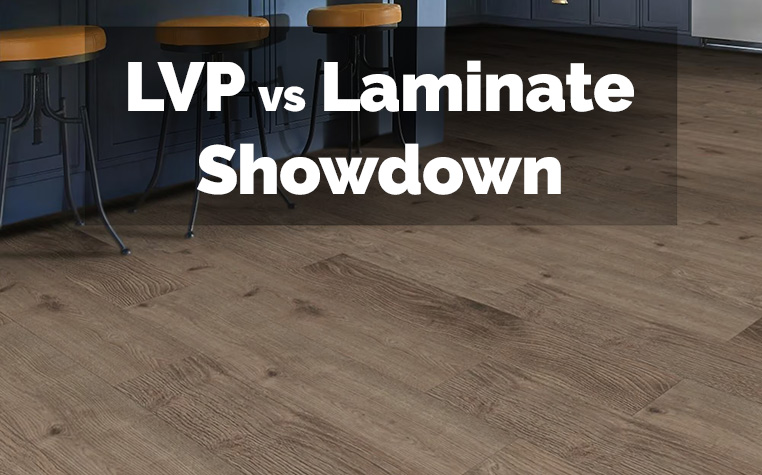
7) Luxury Vinyl Flooring Where Water is a Major Factor
Luxury vinyl plank and tile show up in whole house discussions because people want water resistance and easy maintenance. And honestly, the industry is confirming what we’ve known for years, most people replace glossy floors for a product at Really Cheap Floors.
Luxury vinyl can be a smart complement when you keep wood look continuity elsewhere.
How we’d use it in whole house flooring ideas for 2026:
- Wood tones in living rooms and bedrooms.
- Luxury vinyl plank in kitchens, entries, and laundry.
- Clear transitions, so your floor plan reads intentional, not accidental.
Here’s the blunt guidance. Luxury vinyl plank doesn’t replace every wood use case, but it can save your project when moisture, pets, and spills are daily events.
8) Real Product Examples for Whole House Plans (Color Consistency Matters)
If you want whole house flooring ideas that don’t fall apart mid-project, start with a color direction and repeat it across rooms.
Here are additional product examples we’d actually consider for a cohesive plan, based on the style descriptions and pricing we see:
- Winchester Charcoal 3.25 Prefinished Solid for $2.29 per unit, rich darker tone for a unified look.
- Winchester Hickory Ember 4" Cabin for $3.69, rustic character with a mid-to-deep hue for whole-home aesthetics.
- Antique S Cherry Oak 3.25 Utility for $1.69, warm and classic, wirebrushed texture.
Need to keep it budget-friendly? Stick to fewer shades. One warm tone, one neutral gray tone, one darker charcoal tone. That’s how you avoid the “why do the rooms look different?” problem.
And if you’re planning a flip or you’re trying to keep costs controlled, read the wholesale flooring renovators guide so you buy like people who do this every day.
9) The “Don’t Get Burned” Checklist Before You Order
Before you click “buy” on the purchase, do this.
- Order samples. We offer free sample packs and you can order up to four solid hardwood samples on select lines.
- Check sheen. In 2026, low-gloss beats glare for real homes.
- Understand grading. Utility and cabin grade items can include variation. That’s where savings come from.
- Plan for installation reality. Layout changes waste. Measure, plan, and avoid panic buys.
- Ask for shipping quotes. Whole-house projects need freight planning, not guesswork.
When you’re ready, you can call to order at 1-800-253-2728.
Conclusion
The best flooring material is the one that will survive everyday life. Choose one cohesive wood-tone look for main rooms, keep wet zones realistic with a tougher option, and stop paying for shiny perfection you won’t enjoy.
We’re here to help you get killer value, whether you want prefinished solid hardwood, engineered hardwood with stable performance, or a smart luxury vinyl plank plan for the messy rooms. Call 1-800-253-2728 when you’re ready to build a whole-home floor you can live on.
Frequently Asked Questions
What are the best floors for 2026 if I have pets?
With pets, choose low-gloss, textured wood tones in main areas and use water-resistant options where spills happen. Avoid high-gloss finishes that show scratches and glare, because the shiny finish doesn’t hold up in a life happens home. Vinyl flooring and luxury vinyl flooring (lvf) are great options to explore.
Is engineered hardwood worth it in 2026?
Yes, engineered wood flooring can be a solid choice, especially if you want a wood look with better stability. Just pick the right grade for your budget, and make sure the finish can handle real traffic.
Should I use the same floor throughout my entire house?
Not always. It is best when you want to keep one cohesive look in the main living areas and switch materials for kitchens, bathrooms, and laundry where moisture and spills win.
What is a cabin grade wood floor?
Cabin grade flooring means you get savings in exchange for more visible character and variation. It can still look great across multiple rooms, but you need to understand the tradeoffs so your whole house flooring ideas match your expectations.
Are low-gloss hardwood floors better than glossy in 2026?
In 2026, low-gloss is usually a better pick because living on a mirror isn’t practical. The lower shine hides wear better and looks more normal after months of daily life.
What flooring is cheapest for a whole house project without looking cheap?
The lowest cost ideas usually involve smart grade choices, like utility and cabin-grade options, and buying the right materials for the right rooms. We focus on discount flooring prices so regular folks can get the look without big-box markups.