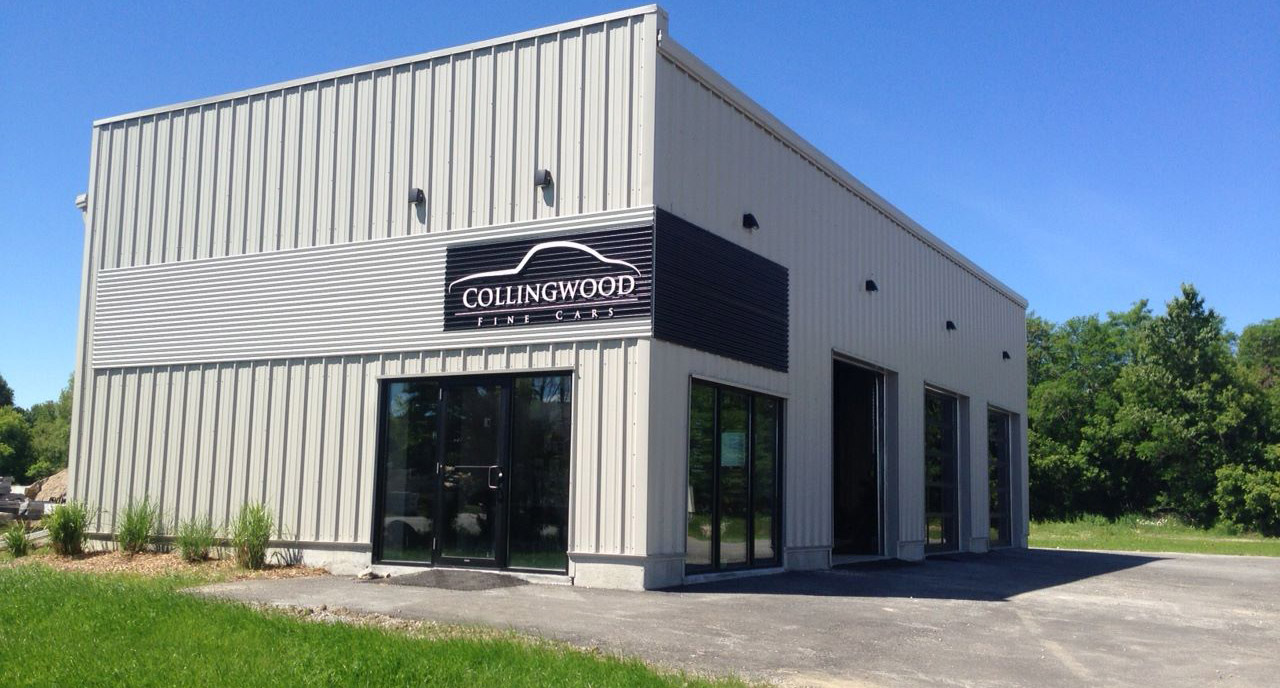
Steel buildings have revolutionized the agricultural and industrial landscape because of their durability and speed of construction. However, a steel structure is only as functional as the surface you walk on. Because these buildings are almost always constructed over concrete slabs, they present unique challenges—specifically regarding moisture, temperature regulation, and heavy-duty wear. Modern steel buildings canada, like this example from Nord Steel Buildings, require specific flooring foundations to handle regional climate shifts.
Whether you are storing sensitive crops or building a multi-purpose workshop, your flooring choice determines the longevity of your investment. Here is how to select the best flooring based on how you use your steel space.
1. Climate-Controlled Storage: Winning the War Against Moisture
When storing grains, vegetables, or climate-sensitive inventory, the biggest threat isn't the air—it’s the ground. Concrete slabs are porous; they "breathe" moisture upward through a process called capillary action. In a sealed steel building, this moisture can become trapped under your flooring, leading to mold and structural buckling.
The Solution: SPC Vinyl and Vapor Barriers
-
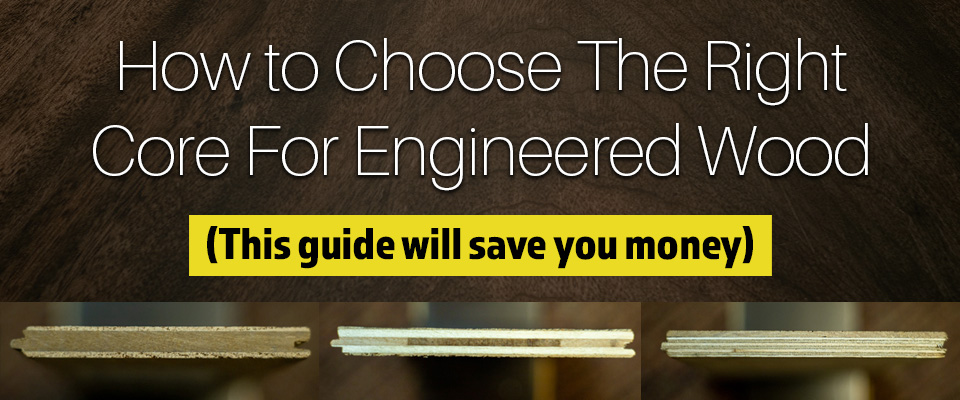
SPC (Stone Plastic Composite): This is the gold standard for steel buildings. Unlike standard luxury vinyl, SPC has a core made of limestone and stabilizers, making it 100% waterproof and incredibly stable during temperature shifts.
-
Moisture Barriers: Always install a 6-mil poly vapor barrier over the concrete before laying your floor. This prevents hydrostatic pressure from pushing moisture into your planks.
-
Pre-attached Underlayment: Look for SPC options with an IXPE foam backing. This adds a layer of antimicrobial protection and a "cushion" over the rigid concrete.
2. Energy Efficiency: Creating a Thermal Break
Steel is an excellent conductor, which is a disadvantage when it comes to temperature. In the winter, a steel building’s concrete slab acts as a heat sink, pulling warmth out of the room and making the floor uncomfortably cold. To combat this, many owners are looking toward sustainable additions like solar panels to power climate control systems, but the floor itself must also act as an insulator.
The Solution: High-Density Underlayment
To improve the energy efficiency of your facility, you need to create a thermal break between the cold concrete and your finished floor.
-
Thermal Resistance: Choose a high-density underlayment with a high R-value. This acts as insulation for your feet.
-
Hybrid Resilient Flooring: If the building isn't fully climate-controlled 24/7, consider Hybrid Resilient Composite flooring. It offers the expansion/contraction resistance of laminate but the waterproof nature of vinyl.
3. Multi-Use Hubs: Balancing PSI and Aesthetics
Modern steel buildings often serve a dual purpose: one side might house a heavy tractor or workshop, while the other serves as a farm office or living quarters. The challenge is finding a floor that can handle high PSI (pounds per square inch) without looking like a cold, industrial warehouse.
The Solution: Transition Flooring Strategies
-
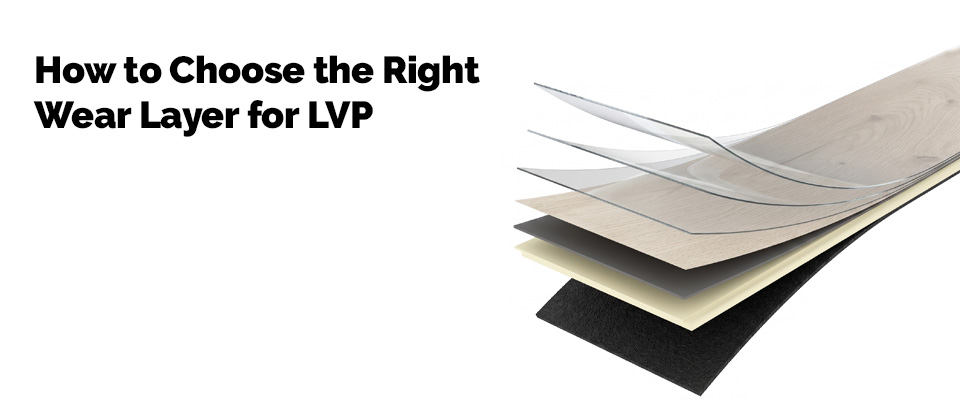
Wear Layer Matters: For areas with heavy foot traffic or rolling equipment, a 20-mil wear layer is essential. This protects the floor from scratches and scuffs.
-
The "Human" Side: Use wide-plank SPC or water-resistant laminate in the office and living areas. These products provide the "warm" aesthetic of natural wood while maintaining durability.
-
Transition Strips: Use heavy-duty T-molding transitions between the shop floor and the office area to allow each section to expand and contract independently.
Summary of Selections
|
Building Use |
Recommended Flooring |
Key Feature |
|
Crop/Inventory Storage |
SPC Vinyl |
100% Waterproof & Rigid Core |
|
Offices / Living Space |
Water-Resistant Laminate |
Aesthetic Warmth & Comfort |
|
Workshops / Hubs |
20-mil Wear Layer SPC |
High PSI & Scratch Resistance |
|
Non-Insulated Sheds |
Hybrid Resilient |
Temperature Stability |
By focusing on the foundation first, you ensure that your steel building remains a high-performing asset for decades. Don't just build a structure—build a space that lasts from the ground up.