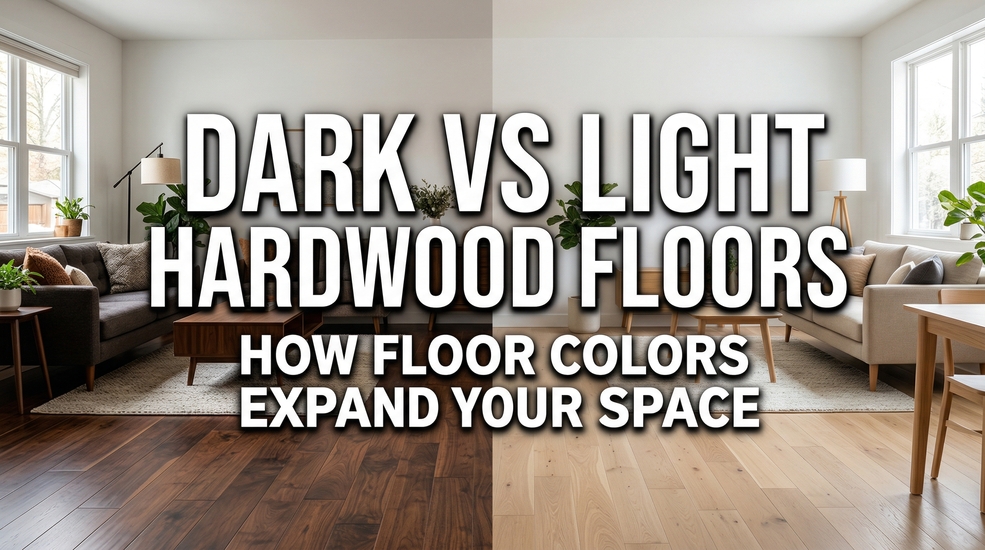
Choosing between dark and light hardwood floors represents one of the most significant design decisions for your home. This choice dictates the entire atmosphere of your living space and influences how large a room feels. You want to make a selection that aligns with your daily lifestyle and current interior design trends.
Many homeowners struggle with this decision because flooring serves as the foundation for all other design elements. Hardwood represents a major financial investment that will stay in your house for several decades. Understanding the visual tricks and practical realities of different hardwood flooring options helps you make a confident, informed choice.
Light floors naturally expand a room, while dark flooring creates a dramatic canvas for your interior decor. We will explore exactly how these different tones manipulate space, reflect natural light, and handle daily maintenance. By the end of this guide, you will know exactly which hardwood shade belongs in your home.
Light Hardwood Floors: Why Light Wood Floors Expand Your Space

Light wood floors consistently make a room feel bigger and much more open to the eye. Pale wood tones reflect natural sunlight across the room rather than absorbing it into the floorboards. This high light reflectance value creates an immediate sense of airiness in even the smallest, most cramped bedrooms.
Beyond creating the illusion of space, light floors offer incredible versatility for your future design changes. You can easily darken a room that has light floors by adding heavy, dark rugs or deep-toned furniture selections. This flexibility allows you to shift your interior design style over time without refinishing hardwood or replacing your expensive flooring.
Light oak, pale maple, and natural ash wood species currently dominate the modern American residential housing market. These pale woods camouflage daily dust and light pet hair exceptionally well between your regular sweeping sessions. You spend considerably less time cleaning and more time enjoying your bright, welcoming living space.
- Light hardwood floors reflect natural sunlight to make cramped, small rooms feel significantly larger and more open.
- Homeowners can easily add visual weight to light floors using specific dark rugs and heavy furniture pieces.
- Pale wood tones hide daily dust and light-colored pet hair much better than darker hardwood flooring alternatives.
Dark Hardwood Floors: Creating Drama with Dark Wood Floors
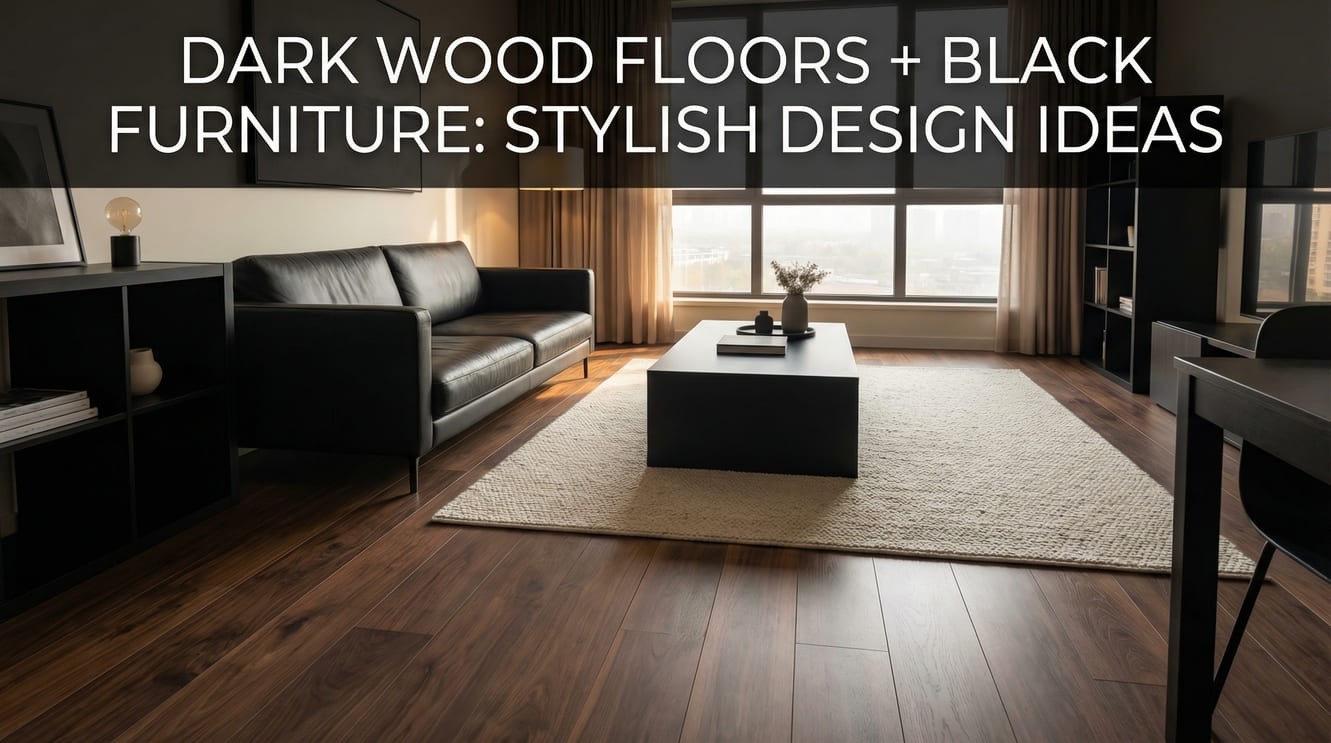
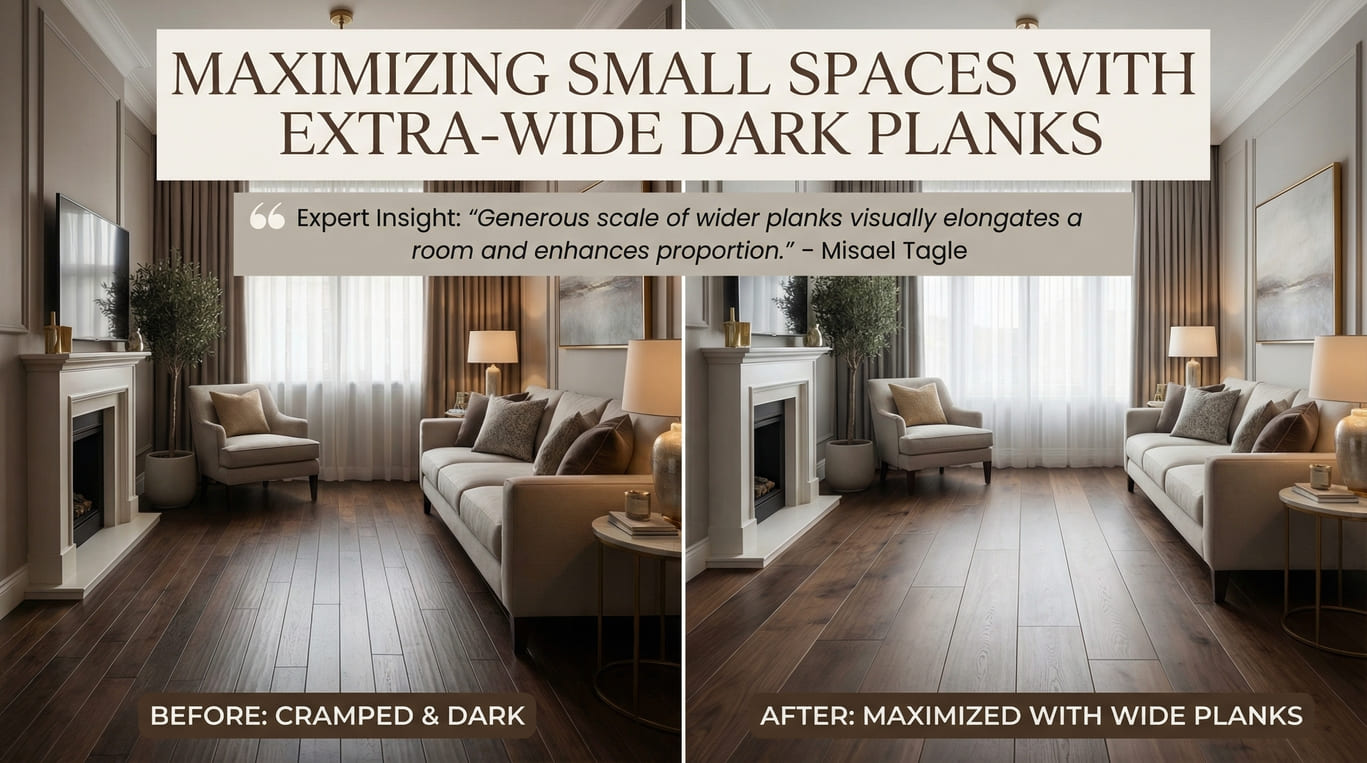
Dark wood floors function as a rich canvas that you paint to create specific spatial illusions indoors. While many assume dark floors shrink a room, they actually ground the space and push the surrounding boundaries outward. You just need to pair them with the right architectural elements and strategic paint colors.
A brilliant design trick involves pairing espresso or dark walnut floors with crisp, bright white walls. This high-contrast approach creates an optical illusion that makes the walls look noticeably taller and more elegant. The dark base anchors the room while the bright walls immediately draw the eye upward to the ceiling.
However, you must remember that dark floors are notoriously hard to brighten up once permanently installed. If your room lacks large windows or adequate artificial lighting, a dark floor might make the space feel heavy. You cannot easily reverse this dark foundation without executing extensive and highly expensive refinishing hardwood work.
Hardwood Floor Maintenance: Comparing Wear for Dark vs Light Floors
Every hardwood floor requires regular floor maintenance, but the color you choose determines how often you grab the broom. Dark floors act like a mirror for every speck of light-colored dust, pet dander, and daily foot traffic. A dark mahogany floor will show dusty footprints and surface scratches far more readily than a pale hickory floor.
If you manage a busy household with active dogs or young children, light floors provide a distinct practical advantage. The varied grain patterns and pale tones of white oak conceal minor surface scratches and daily dirt accumulation. You can often skip a day of sweeping without your house looking messy or poorly maintained.
Dark floors demand a more rigorous cleaning schedule to maintain their elegant, highly sophisticated visual appearance. You will need to dust mop frequently to prevent the inevitable buildup of highly visible household debris. Consider investing in a high-quality robotic vacuum if you decide to install dark hardwood in your high-traffic corridors.
Place protective felt pads under all heavy furniture legs, regardless of the specific hardwood floor color you choose. This simple practice prevents deep scratches and extends the lifespan of your hardwood finish significantly.
Interior Design Trends: Decorating Strategies for Dark vs Light Hardwood Floors

Your flooring establishes the baseline for all subsequent furniture and decor selections in your living room. Light floors are highly adaptable, meaning you can easily darken the visual weight of the room with specific rugs. A deep navy rug or a charcoal sofa instantly grounds a pale, airy room with striking visual contrast.
Conversely, decorating around dark floors requires a more strategic approach to balance the heavy visual foundation below. You need to incorporate lighter furniture pieces, metallic accents, and reflective surfaces to bounce light around the room. A glass coffee table or a large wall mirror helps break up the dark expanse of the floorboards.
Lighting plays a critical role in how both dark and light floors perform visually throughout the day. You should test large flooring samples in your home during different times of the day before making a purchase. Natural morning sunlight and warm evening lamps will dramatically alter how the wood stain color appears in reality.
Room Aesthetics: How to Evaluate Your Space Before Choosing Hardwood
Before committing to a specific hardwood shade, you need to analyze your home's natural architectural characteristics. This evaluation prevents costly mistakes and guarantees your new floors complement your existing property structure perfectly. Follow these specific steps to assess your room aesthetics accurately and make the best possible flooring choice.
How to Assess Your Room for Hardwood Floors
Natural Light: Assess Your Natural Light
Evaluate how much sunlight enters the room through windows and skylights during your peak daylight hours. Rooms with abundant natural light can easily support dark floors, while dim rooms benefit from light-reflecting pale woods.
Room Dimensions: Measure Your Room Dimensions
Calculate the exact square footage and ceiling height of the rooms you plan to renovate this year. Light floors help expand tight spaces, while dark floors combined with white walls can visually raise low ceilings.
Interior Design: Review Your Existing Furniture
Examine the color palette of the furniture and cabinetry you plan to keep in the finished space. You want to create contrast between your floors and your heavy furniture rather than matching them exactly.
Taking the time to evaluate your space prevents the common mistake of choosing a floor color that fights your architecture. Many homeowners fall in love with a dark floor in a bright showroom, only to realize their living room lacks lighting. A thorough assessment guarantees your financial investment adds genuine aesthetic value to your residential property.
Remember that your floor color will influence your wall paint choices and lighting requirements for many years to come. If you prefer a flexible design environment, light floors offer an easier path for future interior updates. If you want a striking, permanent architectural feature, dark floors provide that dramatic and elegant baseline.
You should also test how your current lighting fixtures illuminate the floor samples during the evening hours. Artificial light casts different color temperatures that can make a cool gray floor look surprisingly warm or yellow. Taking these specific steps prevents buyer remorse and secures a beautiful, lasting result for your home.
- Assess your room's natural lighting carefully, as dark floors absorb light and are hard to brighten up.
- Create contrast between your wood floors and your existing furniture to prevent a heavy, washed-out appearance.
- Use dark floors and bright white walls together to create an optical illusion that makes ceilings appear taller.
Home Resale Value: The Financial Impact of Hardwood Flooring Options
Real estate professionals consistently note that hardwood floors increase property value significantly more than wall-to-wall carpeting. Buyers in the United States generally prefer move-in ready homes with durable, high-quality hard surface flooring already installed. The color you select can influence how quickly your home sells and the final home resale value you receive.
Light floors currently hold a slight edge in the real estate market because they appeal to a broader demographic. Buyers appreciate how light floors make a room feel bigger and brighter during open house tours. This widespread appeal makes pale oak or maple a very safe financial choice for a quick home sale.
Dark floors still attract buyers who want high-end luxury, but they can polarize certain house hunters. A poorly lit home with dark floors might sit on the market longer because the rooms feel somewhat closed off. You must evaluate your local real estate market to determine which floor color local buyers currently demand.
Frequently Asked Questions
Choosing the right hardwood floor involves balancing personal aesthetics with practical daily cleaning realities. You must weigh the immediate visual impact against how much time you want to spend sweeping the house. Homeowners constantly ask similar questions when standing in the flooring showroom trying to decide between light and dark options.
We have compiled the most common inquiries about hardwood floor colors to help clarify your final decision. These answers address the practical concerns of daily maintenance, long-term resale value, and interior design flexibility. Review these common questions to finalize your understanding of how different floor colors perform in real homes.
Home Value: Do light or dark hardwood floors increase home value more?
Both light and dark hardwood floors increase home value significantly compared to carpet. However, light floors appeal to a slightly broader range of buyers because they make rooms feel bigger and brighter. The overall quality of the wood and installation matters more than the specific color.
Refinishing: Can I change the color of my hardwood floors later?
Yes, you can change the color of solid hardwood floors by sanding them down and applying a new stain. However, going from dark to light is much harder and more expensive than going from light to dark. Light floors give you more flexibility for future color changes.
Room Size: Do dark floors make a room look smaller?
Dark floors can make a room feel smaller if paired with dark walls and heavy furniture. However, darker floors can be a canvas that you paint to create an illusion of space with specific decor choices. For example, having white walls contrasted with dark floors makes the walls look taller.
Pet Maintenance: Which floor color is better for pets?
Light hardwood floors generally perform better in homes with pets. They hide light-colored pet hair and minor surface scratches much better than dark floors. Dark floors will clearly show every scratch and require more frequent sweeping to look clean.
Interior Lighting: How do I brighten up a room with dark floors?
Dark floors are hard to brighten up, but you can improve the space using large, light-colored area rugs. You should also incorporate light-colored furniture, add reflective mirrors, and maximize both natural and artificial lighting. Painting the walls a crisp white will also provide necessary contrast.
Conclusion: Choosing Between Darker or Lighter Hardwood Colors
Your choice between dark vs light hardwood floors ultimately depends on your lifestyle and your specific aesthetic goals. Light floors offer an easy path to a bright, expansive room that requires significantly less daily maintenance. They provide a flexible foundation that you can easily darken with specific rugs or furniture selections as your tastes change.
Dark floors require more commitment and regular cleaning, but they deliver unmatched elegance and striking visual contrast. When you pair dark floors with crisp white walls, you successfully make the walls look taller and elevate the entire room. Just remember that dark floors are hard to brighten up once they are permanently installed in your home.
Take the time to bring large flooring samples into your home and observe them in your specific lighting conditions. Consider your daily cleaning habits, your existing furniture collection, and the amount of natural light available in your space. By carefully weighing these practical factors, you will select a hardwood floor that brings lasting beauty to your home.