Not all wood-look vinyl plank is created equal. Two boxes can sit side by side on a store shelf, both labeled "waterproof luxury vinyl plank," and look nearly identical in a photo. Install one across a living room floor and it reads as real wood. Install the other and within a week your eye starts catching the same knot, the same grain swirl, over and over. That difference almost always comes down to one thing: the print film and how often it repeats.
This guide breaks down what to look for before you buy, what the repeat frequency actually costs you in price and realism, and how a smart installer can minimize the damage even if you're working with a standard repeat product.
Why the Print Matters More Than the Plank
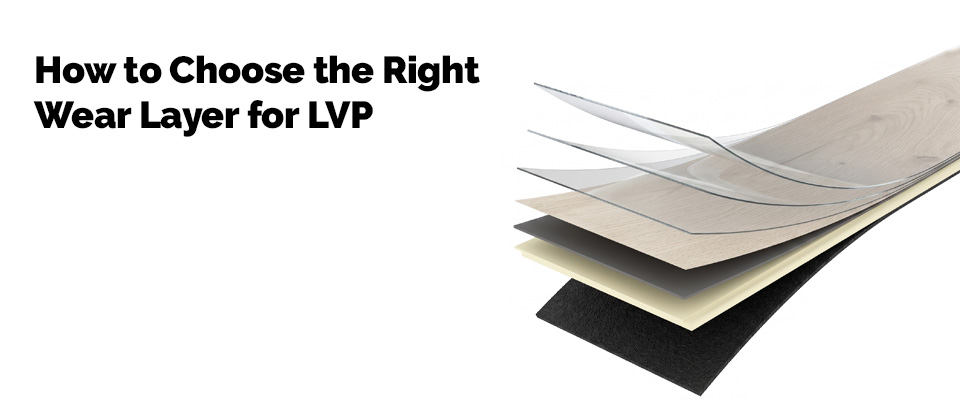
Vinyl plank flooring is built in layers. Underneath the wear layer sits a printed film that gives the plank its wood grain, knots, and color variation. That film is produced on a set, and the set has a limited number of unique plank faces before it starts over. The width of the print roll and the number of unique images on it determine how often a given knot or grain pattern shows up again on your floor.
A narrow, older-generation print roll might only have 5 to 8 unique plank faces. A modern high-definition roll can run 72 inches or more and include dozens of unique faces, or use a randomized, non-repeating pattern entirely. The wear layer, the click-lock system, the waterproof core, all of that can be identical between two products. The print is what your eye actually judges.
Visual Realism: What the Human Eye Actually Catches
Real wood floors have no repeats. Every board came from a different part of a different tree. Vinyl plank is trying to fake that randomness, and the human eye is very good at detecting fake randomness, especially in large rooms with a lot of floor space and consistent lighting.
Here's what tips people off:
- A distinct knot or dark mineral streak appears again a few planks away
- The same grain swirl shows up in a mirrored or rotated position
- A visible line of planks feels like it's "cycling" through a short sequence
- The pattern is more obvious in wide-open rooms, hallways, and under bright or natural light
Non-repeat or high-variation planks avoid this because there's no short sequence for your eye to lock onto. The floor reads as continuous and organic, the same way a hardwood floor does.
Pattern Repeat Fatigue
This is the term flooring pros use for that "something feels manufactured" reaction people get standing in a room with obviously repeating vinyl. It's not that the plank looks bad up close. It's that the brain starts pattern-matching across the whole floor and the illusion breaks.
Standard repeat vinyl is usually built on a 1-in-5 or 1-in-8 cycle, meaning the same plank face reappears every 5th or 8th board. In a small room that might never become noticeable. In a great room, open-concept living space, or long hallway, it usually will.
Premium non-repeat flooring solves this with either a truly random print algorithm or a long enough print film, 72 inches or more, that unique faces are spread out far enough that a repeat almost never lands in your direct line of sight.
Repeat Frequency Comparison
| Print Type | Unique Faces | Best Used In | Visual Risk |
|---|---|---|---|
| 1-in-5 repeat | 5 plank faces | Closets, small bathrooms, low-traffic utility rooms | High |
| 1-in-8 repeat | 8 plank faces | Bedrooms, offices, moderate-size rooms | Medium |
| High-variation (16+ faces) | 16 or more plank faces | Living rooms, kitchens, open-concept spaces | Low |
| Non-repeat / 72"+ print film | Effectively unlimited | Whole-home flooring, large commercial spaces | Minimal to none |
Price Differences: What You're Actually Paying For
The advanced imaging and printing equipment needed to run longer, non-repeating films costs manufacturers more, and that cost gets passed down. Here's a general breakdown of where these products land per square foot.
| Product Tier | Typical Price per Sq Ft | What You're Paying For |
|---|---|---|
| Budget repeat vinyl | $1.50 to $3.00 | Standard 1-in-5 or 1-in-8 print, basic wear layer |
| Mid-range waterproof plank | $3.00 to $5.00 | Wider print rolls, thicker wear layer, better click-lock |
| Premium non-repeat plank | $5.00 to $8.00+ | Advanced imaging, 72"+ print film or randomized pattern, high realism |
Repeat Frequency vs. Price at a Glance
| Print Type | Approx. Price | Relative Scale |
|---|---|---|
| 1-in-5 repeat | $2.25/sq ft | |
| 1-in-8 repeat | $4.00/sq ft | |
| High-variation (16+ faces) | $5.50/sq ft | |
| Non-repeat / 72"+ print | $7.50/sq ft |
How to Spot a High-Definition Non-Repeat Print Before You Buy
You don't need a manufacturer spec sheet to check this at the store or in a sample box. Do this instead:
- Pull at least 6 to 8 planks from the same box or display, not just one or two.
- Lay them side by side in the order they'd sit on a floor.
- Look specifically for repeated knots, dark streaks, or grain swirls, not just overall color match.
- Ask the retailer directly what the repeat count is, such as 1-in-5, 1-in-8, or non-repeat.
- If shopping online, check the product description for print film width. Anything listed at 72 inches or longer is a strong sign of a high-variation or non-repeat design.
For waterproof options built with these longer print films, you can browse a full range here: Waterproof Flooring at Really Cheap Floors.
The Installation Trick: Mixing Boxes to Hide Repeats
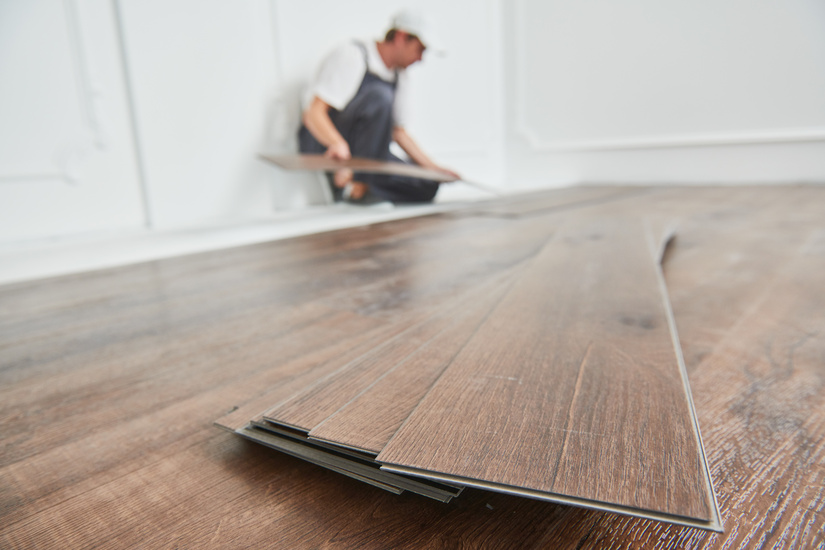
Even if you're working with a standard repeat product, a good installer can significantly reduce how noticeable it is. This costs nothing extra beyond a little planning before the crew starts laying planks.
- Mix boxes as you go. Open 3 to 4 boxes at once and pull planks from different boxes in rotation, rather than installing one box start to finish before opening the next. This breaks up the repeat sequence so identical faces don't land next to each other.
- Stagger similar planks deliberately. If two planks share a distinct knot or grain swirl, ask the installer to place them at opposite ends of the room, or separate them by as many rows as possible.
- Split repeat-heavy boxes across rooms. If you know a box has an obvious repeat pattern, use those planks in a closet, laundry room, or small bathroom instead of the main living space where the pattern would stand out.
- Save your most unique planks for high-visibility areas. Entryways, in front of large windows, and open sightlines from the kitchen are where repeats get noticed first. Prioritize your least-repetitive planks there.
Ask your installer about this directly before the job starts. It's a five-minute conversation that can make a budget-friendly repeat product look noticeably better once it's down.
Quick Reference Checklist
- Pull multiple planks from a box before buying, not just one sample
- Ask for the repeat count: 1-in-5, 1-in-8, high-variation, or non-repeat
- Check for a 72-inch or longer print film if buying online
- Budget $1.50 to $3.00 per sq ft for basic repeat product
- Budget $5.00 to $8.00+ per sq ft for premium non-repeat product
- Reserve your most unique-looking planks for open, high-visibility rooms
- Ask your installer to mix boxes and stagger repeated faces during installation
Where to Shop
Whether you're after a budget-friendly repeat product for a low-traffic room or a premium non-repeat design for your main living space, you can compare options directly:
Both categories include a range of repeat frequencies and price points, so you can match the product to the room instead of paying premium prices where they won't make a visible difference.