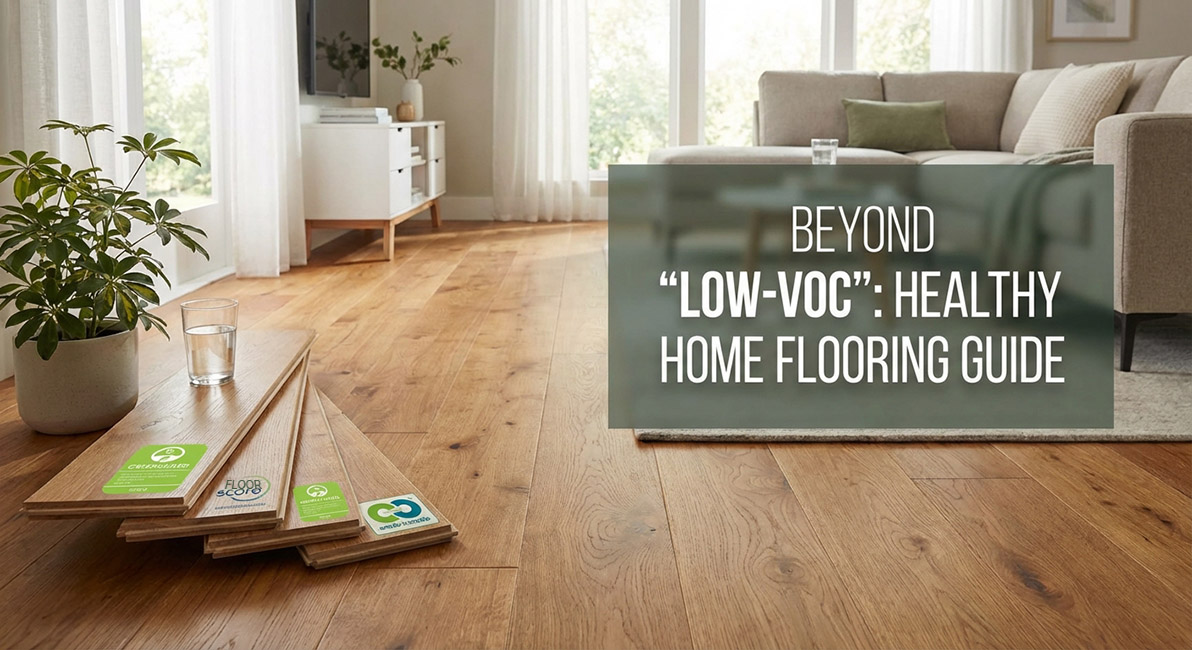
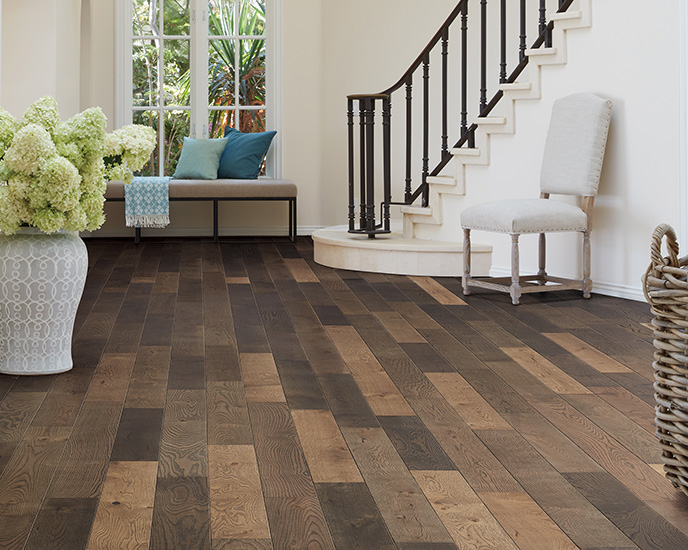
Home renovations often focus on immediate visual impact rather than long-term property value. However, building true wealth in real estate requires a long-term perspective on the building materials you choose for your home. This ultimate guide explains why solid hardwood is a lifetime Investment, which becomes evident when you evaluate its extreme durability, lasting 40 or even 100 years if you take extreme care for the floor. You'll notice some presidenital homes are preserving the solid hardwood of its day. Solid wood floors have the unique ability to be sanded and refinished multiple times to erase wear and tear. By selecting high-quality solid hardwood flooring today, you ensure that your home remains both functional and aesthetically pleasing for future generations.
When you install a new wood floor, you are laying down a foundation that outlasts most other building materials currently available on the market. A solid wood floor can endure decades of daily life in high-traffic areas without losing its structural integrity or visual charm. While the initial cost might seem higher than laminate or vinyl, solid hardwood flooring pays for itself over time through its sheer resilience. These hardwood floors provide a structural rigidity that prevents the sagging or clicking sounds often associated with cheaper floating floor systems.
Many flooring options need replacing every ten to fifteen years due to permanent damage, moisture infiltration, or simple aesthetic obsolescence. In contrast, an organic solid wood floor resists the heavy impacts of family activities, including the movement of heavy furniture and pet traffic. A well-maintained hardwood floor often lasts for more than a century with basic upkeep and occasional professional attention. This longevity is a primary reason why historians find original wood surfaces in century-old manors that still look magnificent today.
This exceptional longevity makes a wood floor one of the most reliable choices for residential properties looking to maximize their long-term investment. You can trust that your wood flooring will remain stable and strong for generations, providing a consistent surface for your family's needs. Investing in premium flooring solutions prevents the hassle of repeated tear-outs and installations that plague homeowners who choose temporary synthetic products. Furthermore, the Janka hardness scale allows homeowners to select specific wood species, like oak or hickory, that offer the precise level of dent resistance required for their lifestyle.
Solid hardwood floors provide unmatched permanence and depth compared to synthetic options. Their dense construction boosts durability and improves acoustics by reducing hollow echoes.
While engineered hardwood suits certain climates, traditional solid planks reflect a sophisticated, long‑lasting commitment to quality in home building and interior maintenance.
- Solid hardwood flooring outlasts synthetic alternatives by several decades.
- Higher initial costs are offset by a 50-100+ year lifespan.
- Premium wood materials resist damage from daily high-traffic activities.
The Science of Refinishing Your Wood Floor Multiple Time
One major reason a wood floor lasts so long is its incredible ability to undergo full restoration through professional sanding. Unlike synthetic alternatives that must be discarded when damaged, true hardwood can be sanded down to reveal a fresh layer of raw lumber. This means a scratched hardwood floor looks brand new after a professional treatment, effectively resetting the clock on its appearance. The depth of a solid plank allows for deep sanding that removes even significant gouges or water stains that would ruin other materials.
 |
|||||||
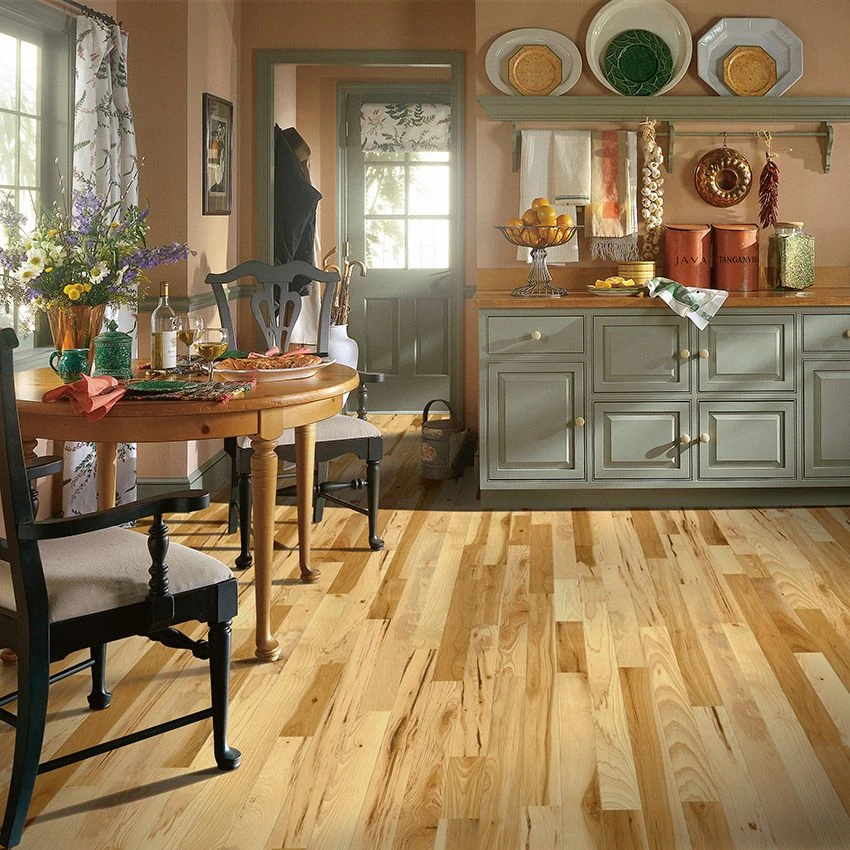
Prefinished Solid Hardwood • American Home
American Home Country Hickory Natural 3.25" 1st QualityPrice: $3.29 / sq ftProduct Details:
|
Solid wood flooring provides enough thickness to be refinished multiple times throughout its extensive lifespan. As years pass, you can easily erase surface damage, deep scratches, and worn finish patches that naturally occur with age. Every hardwood floor essentially holds multiple new surfaces waiting just beneath the top layer, ready to be revealed when the time is right. This restorative capacity ensures that your home remains elegant without the environmental cost of a complete floor replacement every decade.
This restoration process allows your wood floors to adapt to your changing aesthetic preferences as interior design trends evolve. You can change the stain color of your wood flooring during the refinishing process, moving from dark espresso to a light natural finish. This flexibility means your wood floor never truly goes out of style, as it can be updated to match any new decor. Whether you prefer a matte oil finish or a high-gloss polyurethane, the choice is entirely yours during each restoration cycle.
Because solid wood is a uniform material throughout the plank, the results of a professional sand-and-finish are consistently spectacular. Unlike engineered hardwood, which may only allow for one or two light sandings, solid hardwood floors can be refinished multiple decades apart without compromising their structural integrity. This unique characteristic makes solid hardwood the ultimate choice for homeowners who view their property as a multi-generational asset.
Always hire a professional to evaluate your wood floor before sanding. They will measure the remaining thickness of your hardwood floor to confirm it can handle another restoration safely, ensuring the structural tongue-and-groove remains intact.
Financial Advantages of Hardwood Flooring Increases Property Value
Real estate professionals consistently highlight how a wood floor improves overall property valuations and buyer interest. Data from the national association of Realtors shows that homes with a wood floor typically sell faster and for higher prices. Buyers recognize the value of a hardwood floor and are often willing to pay a premium to avoid the cost of future flooring replacements. This immediate boost in marketability makes wood one of the smartest upgrades a homeowner can undertake.
 |
|||||||||
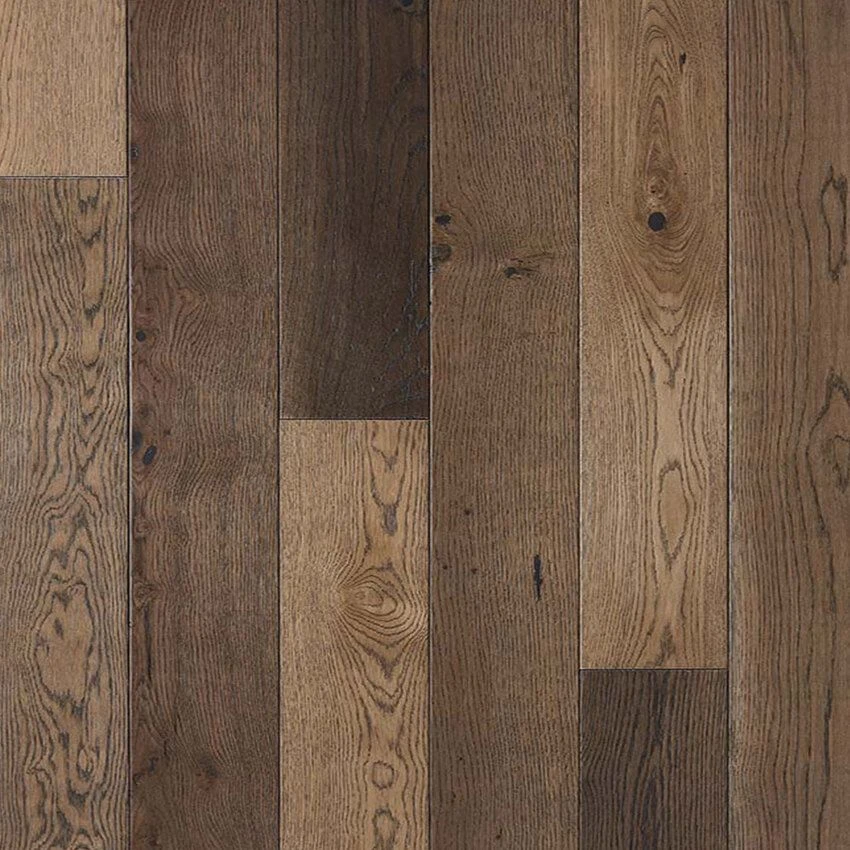
Prefinished Solid Hardwood • Palmetto Road
Palmetto Road Shenandoah Shadow 5" 1st QualityPrice: $2.99 / sq ftProduct Details:
|
|||||||||
Installing hardwood flooring increases the appraisal value of a property almost immediately after the project is completed. Any improvement involving quality flooring increases your chances of securing a great return on your return on investment during a future sale. A hardwood floor serves as a major selling point in competitive housing markets, often acting as the deciding factor for discerning buyers. When you calculate the "cost per year" of wood versus carpet, the financial superiority of hardwood becomes undeniable over a twenty-year period.
Furthermore, hardwood flooring offers tax advantages in certain property investment scenarios due to capital improvement classifications. Because solid hardwood lasts so long, landlords and flippers favor it as a long-term investment that minimizes maintenance overhead. Your wood floors will continue to generate value decades after the initial installation, unlike carpet which becomes a liability after just a few years. By choosing wood, you are essentially banking equity directly into the physical structure of your home.
Beyond the immediate appraisal, hardwood flooring offers a sense of permanence that resonates with high-end buyers looking for a legacy home. This long-term investment pays dividends not just in cash value, but in the reduced stress of never needing to budget for a full floor replacement again. Real estate experts agree that the timeless appeal of wood is a universal language of quality that transcends local market fluctuations. Consequently, flooring increases the overall desirability of the home, ensuring it remains highly desirable in any economic climate.
Health Benefits: How to Improve Indoor Air Quality at Home
Carpets trap dust, pollen, and pet dander, which degrades the environment inside your living space and triggers sensitivities. By choosing a wood floor, you instantly improve indoor air quality for your family by eliminating these hidden reservoirs of allergens. A solid hardwood floor provides a smooth surface that gives allergens absolutely nowhere to hide, making it much easier to maintain a sterile environment. For families dealing with allergies or asthma, this change can lead to a significant reduction in daily symptoms.
Homeowners who want to improve indoor air often replace their old carpets with hard surfaces to reduce Volatile Organic Compounds (VOCs). A wood floor does not harbor microscopic pests like dust mites or trap unpleasant household odors from cooking or pets. You can significantly improve indoor environments simply by upgrading your primary flooring materials to natural, non-toxic wood options. For households with pets, the ease of removing fur and dander from a flat, hard surface cannot be overstated compared to deep-pile rugs.
|
|||||||
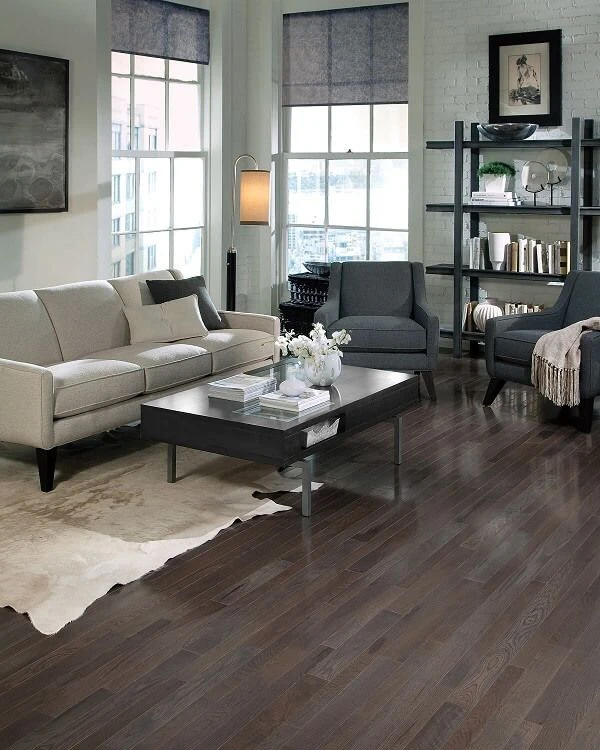
Prefinished Solid Hardwood • Winchester
Winchester Charcoal 2.25" Cabin$1.99 $1.89 / sq ftProduct Details:
|
Maintain indoor air quality
Regular sweeping and light mopping keep hardwood floors free of respiratory irritants that carpet fibers trap. This simple, chemical‑free routine is ideal for families with young children.
Ease of monitoring
Without wall‑to‑wall carpet acting as a pollutant magnet, tracking indoor air becomes straightforward.
Health benefits
Solid hardwood doesn’t off‑gas the chemicals found in many synthetic floors, offering peace of mind for health‑conscious homeowners.
Overall advantage
Choosing solid wood supports respiratory health and creates a healthier sanctuary, making it a superior alternative to artificial flooring.
The decision to improve indoor air quality is often motivated by a desire to create a healthier sanctuary for loved ones. Solid hardwood flooring does not off-gas the same cocktail of chemicals found in many synthetic flooring options, providing peace of mind for health-conscious individuals. By choosing solid wood, you are investing in a material that supports respiratory health and overall well-being. This commitment to indoor air excellence is just one more reason why hardwood flooring offers a superior living experience compared to artificial alternatives.
Aesthetic Versatility: Why Solid Hardwood is a Lifetime Investment for Your Home
A wood floor provides a timeless appeal that complements virtually any architectural style, from rustic farmhouses to sleek modern lofts. You can select from various wood species to find specific grain patterns and natural hues that match your unique design vision. Whether you prefer the dark elegance of walnut or the light, airy tones of maple, wood flooring adapts perfectly to your surroundings. The organic nature of wood means that no two planks are identical, providing a bespoke look that mass-produced tiles simply cannot achieve.
Solid hardwood floors add warmth and character to modern living rooms, preventing a cold, sterile feel. Each board shows unique color and texture variations that synthetic materials can't mimic, making the floor a focal point of sophisticated luxury.
As the wood ages, it develops a rich patina, adding depth and history to the space.
Wood flooring stays relevant as trends shift, a canvas for décor. Brands like Hallmark Floors show wood’s versatility, from classic to herringbone.
A wood floor lifts the atmosphere, linking rooms so you won’t need to redo floors with “color of the year.”
While engineered hardwood provides excellent stability in humid environments, it has a thinner top veneer that limits its lifespan. Solid hardwood flooring remains the superior choice for those seeking a permanent solution. You can restore it multiple times without issue, ensuring it lasts for a century. In fact, being refinished multiple decades later is a standard expectation for solid planks.
How to Protect Your Hardwood Flooring Investment with Proper Care
Follow a maintenance routine to prevent moisture damage and scratches on wood floors.
This guide helps preserve your surfaces.
Avoid steam mops as the heat produced from them forces water into the grain, causing swelling or cupping.
Steps for Daily Maintenance
Implement Daily Cleaning Routines
Sweep your wood floor every day to remove abrasive dirt and small rocks that act like sandpaper. A clean hardwood floor resists surface scratching much better than a neglected one, preserving the finish for years.
Control Climate Conditions
Maintain stable humidity levels to prevent your wood flooring from expanding or contracting excessively. Solid hardwood reacts to moisture, so using a humidifier during dry winter months is highly recommended to prevent gapping.
Use Protective Furniture Pads
Place felt pads under heavy chairs and tables to protect your wood floors from gouges and deep indentations. This simple, inexpensive step prevents severe damage to your hardwood flooring over the years of daily use.
The Environmental Impact of Solid Wood Materials
Many homeowners worry about the ecological footprint of their building materials in an era of climate change. Fortunately, harvesting lumber for flooring involves strictly regulated sustainable forestry practices that ensure forests remain healthy and productive. Trees are a renewable resource that naturally absorbs carbon dioxide from the atmosphere, sequestering it within the wood planks of your home. This makes solid wood one of the few building materials that actually has a positive impact on carbon storage.
Manufacturers continually improve their processes to minimize waste during production and reduce their energy consumption. By choosing a product derived from nature, you are supporting industries that prioritize the health of our planet's ecosystems.
Solid wood floors last decades, avoiding frequent replacement and the synthetic waste that ends up in landfills. Their durability reduces demand for energy‑intensive manufacturing of vinyl or laminate.
When the wood reaches the end of its life, it is biodegradable, unlike plastic‑based products that linger for centuries. Choosing wood thus conserves resources and supports sustainable interior design.
Frequently Asked Questions About Wood Floors
How long does a wood floor last?
A wood floor typically lasts between 40 and in extreme cases 100 years with proper care and a few refinishing jobs inbetween. Solid hardwood offers extreme durability that outlasts almost all other flooring types, making it a true long-term investment for any property owner.
Can I install a solid hardwood floor over concrete?
Yes, but every flooring retailer that is worth their salt will tell you not to. Installing hardwood directly over concrete requires specific subfloor preparations to manage moisture. Engineered hardwood was invented for basements (really its meant to handle moisture better in general). Some products are meant to be installed in basements like vinyl or engineered hardwood. Solid hardwood is not meant for a basement.
Does wood flooring increase home value?
Yes, wood flooring consistently increases property resale values and helps homes sell faster. Buyers prefer hardwood floors because they represent a premium, long-lasting upgrade that they won't have to replace after moving in, providing a great return on investment.
How often should I refinish my wood floor?
You should refinish your wood floor every seven to fourteen years depending on the level of foot traffic and surface wear. This process removes scratches and restores the original luster of your hardwood flooring, and because it can be refinished multiple times, it keeps the surface looking brand new for decades.
Is wood flooring difficult to maintain?
No, wood flooring is relatively easy to maintain with regular sweeping and the occasional use of a wood-safe cleaner. Avoiding excessive water and using protective pads on furniture will keep the surface looking pristine for many years without the need for deep steam cleaning.
Conclusion: Making the Right Choice for Your Home
Choosing the right flooring is one of the most significant decisions a homeowner can make regarding both comfort and financial health. Solid hardwood stands alone as a material that combines natural beauty, health benefits to improve indoor air quality, and unmatched longevity into a single package. By understanding the science of refinishing and the importance of proper care, you can ensure your floors remain a source of pride for your family. Ultimately, the decision to invest in quality solid wood is a decision to invest in the enduring value of your home's legacy and your family's daily life.