
The best engineered hardwood flooring brands earn a closer look, but a brand name alone will not tell you how a specific collection handles muddy dog paws, changing humidity, or your project budget. We compare the floor’s construction, appearance, care needs, room conditions, and full installed cost before picking a winner.
Key Takeaways
- Compare flooring collections, not reputations. Construction, finish, and grade can vary within one brand, so judge the exact floor that fits your room.
- Engineered hardwood has a real wood surface. A hardwood wear layer sits over a layered core; solid hardwood is wood through its full thickness.
- Appearance and flooring performance are different questions. Species, color, grade, grain, and sheen shape the look, while the core and wear layer help determine stability and refinishing potential.
- Do not expect a wood floor to be waterproof. Standing water and persistent moisture can damage engineered hardwood.
- Compare total flooring project costs. Add subfloor preparation, installation, trim, and ongoing care to the flooring price.
- Which flooring brand is best? The best choice is the particular collection that meets your room’s needs, construction requirements, and budget.
Compare Wood Flooring Collections, Not Just Brand Names
Start with the room, household traffic, the look you want, moisture-prone enironments, and your budget. Then compare hardwood collections of engineered floors against those needs, because quality engineered floors under one brand can differ in species, core construction, wear layer, finish, and grade.
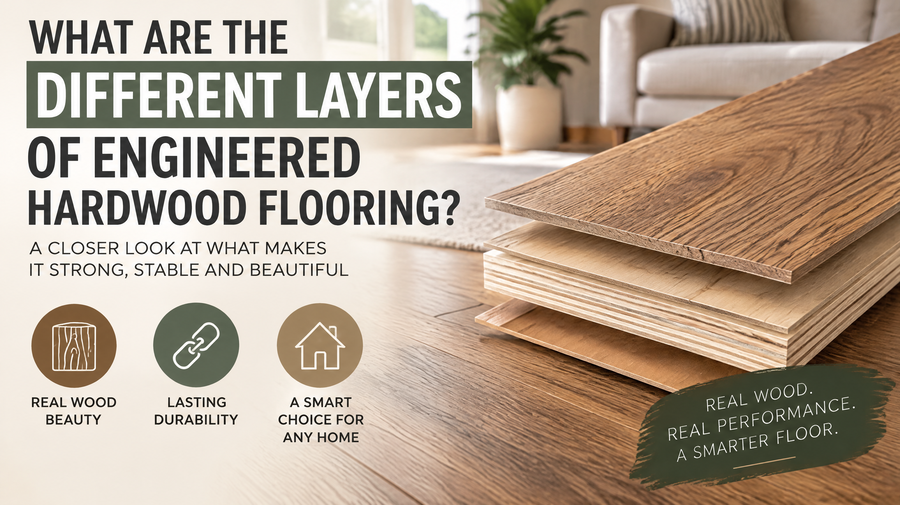
Engineered hardwood is real wood bonded to a layered core. Solid hardwood is wood through its full thickness, so the two products are not interchangeable even when they share the same species and finish.
The best engineered hardwood flooring brand for one home may be the wrong choice for another. A busy family room, a low-traffic bedroom, and a rental unit each put different demands on the floor, so compare the specific collection rather than buying a name on a box.
Look at the full project cost, not just the flooring price. Subfloor preparation, the installation method, trim, stair parts, and routine care all affect what the finished floor costs.
Sourcing can matter, too. Our Engineered Blue Label flooring is made in the United States with sawn-face local hardwoods; boards can vary in color, character, length, and finish quality.
Color name
Winter River
$1.99 / sq ft
View productDo not buy a floor because a label promises perfection. If the documentation skips important details about construction, care, warranty exclusions, or refinishing, keep comparing; regular folks deserve the facts before they spend.
The comparisons here use the product details stated on this page, not side-by-side wear testing. Before buying, verify the exact collection’s current specifications, warranty exclusions, and installation directions; a brand label by itself cannot establish how a floor will perform in your room.
Choose species, color, grade, and finish for the room
Oak has prominent grain and makes a practical, relatively hard domestic choice for busy homes. Cherry is softer, so it can show dents more readily when life happens.
Color and grade set the floor’s visual character. Natural oak keeps the grain easy to see, while darker or more varied tones create a different effect; grade describes the wood’s appearance, not a universal performance ranking.
For a wide natural-oak look, Ambient Oak is engineered flooring, 7 inches wide, in 1st Quality White Oak Natural, priced at $3.49. [Western Plank] is listed at $2.99.

Color name
White Oak Natural
$1.69 / sq ft
View product
Grade labels can sound like a durability rating, but they primarily describe appearance and variation. Our grade information explains terms such as Builder Grade, Blue Label, and utility grade so you can judge the character you are buying.
Check samples in the room where the floor will go, at different times of day. Compare them beside cabinets, paint, and existing floors, because lighting, grain variation, and sheen can make a small online image misleading.
Board width changes the room’s rhythm. Wider boards create fewer visible seams, while narrower boards can give a space a more traditional look, so consider the room’s proportions and the size of its furnishings before choosing.
Did You Know?
Engineered wood saw its share of the total wood flooring market grow from about 70% in 2023 to 75% last year.
Source: Floor Covering News
The bar chart and market figures here describe broad sales mix, not durability tests or a ranking of specific brands. The linked Floor Covering News report provides the attribution; treat these figures as a market snapshot, not a current buying score.
Understand the core and hardwood wear layer
Engineered flooring bonds a real hardwood wear layer to a core. Plywood and multi-ply construction use cross-oriented layers to help limit movement as humidity changes, while an HDF core uses dense fiberboard.
The hardwood veneer at the surface is the wear layer. A thicker wear layer generally allows more sanding than a thin veneer, but the floor’s construction and the sanding method also affect what refinishing can accomplish.
Compare the stated core build and wear-layer thickness for each collection. Floors from the same brand can use different construction, so compare each collection’s refinishing potential on its own.
Country Discontinued gives a concrete example: the Country collection uses a ½-inch, seven-layer hardwood core and a face-sawn hardwood top layer, with available colors listed as Call to Order. Face-sawn means the hardwood is cut more like solid flooring, while rotary-peeling turns a log to create veneer; that process yields more veneer, but rotary-peeled veneer can have a less natural appearance than face-sawn material.
Color name
Maple Onyx
$2.69 / sq ft
View productThe number of times an engineered floor can be refinished varies by product. Read the construction details and the maker’s refinishing guidance before counting on sanding as part of the floor’s future.
Judge durability, finish protection, and care together
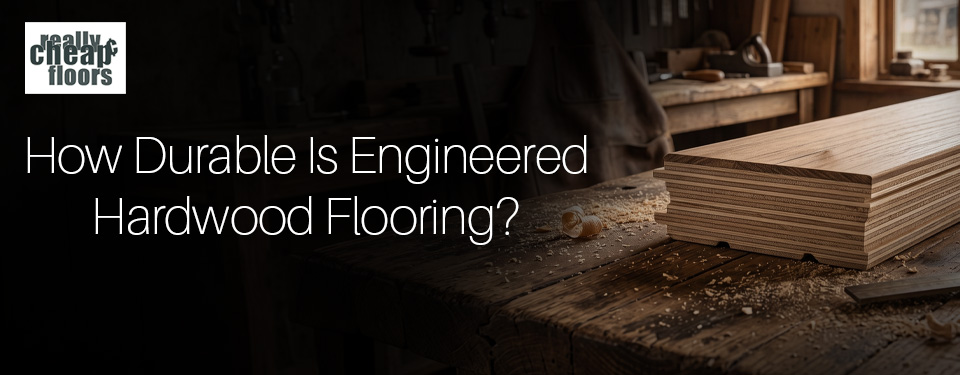
A UV-cured finish or an aluminum oxide finish can add resistance to everyday wear. Neither makes wood scratch-proof or waterproof, and even a tough coating can show damage when grit gets ground under shoes or furniture legs.
For a busy home, pair a durable finish with a harder species where the look suits you. Put rugs at entries and felt pads under furniture to limit grit abrasion and dents; muddy paws and laundry baskets do not care how good a sample looked in the showroom.
The available colors for engineered hardwood Whiskey & Wine are listed as Call to Order; its listed price is $2.79. It is a useful product to compare with other options, while durability still comes down to the collection’s actual construction and finish.
Color name
Evening Whiskey
$2.79 / sq ft
View productRefinishing depends on the hardwood layer’s thickness and the maker’s guidance, not on the word engineered. Check the flooring warranty for exclusions covering moisture, installation, maintenance, and surface wear, and follow the care instructions for the finish.
Match the floor to moisture, subfloor, and installation method
Engineered hardwood is not waterproof or suitable for every wet area. Standing water and persistent moisture can damage the wood and its layered core, so do not treat a wood floor as a worry-free choice for a room that stays wet.
Assess the subfloor’s material, flatness, and moisture condition before installation. A damp or uneven base can lead to movement, gaps, and other failures, so preparation is part of the flooring project, not an optional extra.
Choose nail-down, glue-down, or click-lock installation according to the floor’s construction and the subfloor. Nail-down installation needs a compatible wood subfloor, glue-down work depends on a suitable prepared surface and adhesive, and click-lock boards need a stable base and careful joint fitting.
For a basement or a floor over radiant heat, use a compatible flooring construction and installation approach. Plan moisture control and temperature changes as part of the job, because both can affect how the floor moves.
Kitchen floors face spills and dropped utensils, so plan for prompt cleanup and protect vulnerable areas. In a basement, moisture conditions below the floor matter just as much as the visible surface.
Did You Know?
The prefinished portion of the domestic wood flooring market accounted for roughly 85% of sales last year, up from about 75% in 2023.
Source: Floor Covering News
Compare price and value across real options
Use listed prices as a starting point, then add preparation, installation, trim, and ongoing care to compare the likely full project cost. A lower flooring price can still lead to a larger bill if the site needs extra work or the installation method requires additional materials.
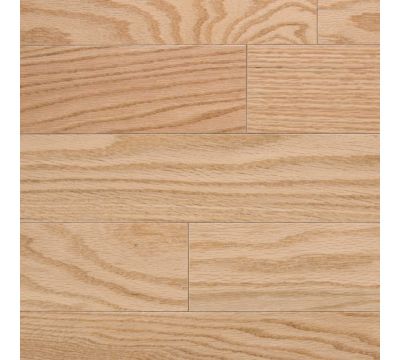
For a Red Oak Natural option, Oak Plank is engineered flooring, 5 inches wide, Builder A grade, priced at $2.49. Chateau Oak is another engineered hardwood option, priced at $3.29, with available colors listed as Call to Order.
Price is not a quality grade. Compare the construction, appearance, and project requirements side by side, then look at matching trim and stair components before you settle on a color; the floor should work with the rest of the room, not just the sample board.
Shop engineered hardwood at Really Cheap Floors for discount flooring prices. Call to order at 1-800-253-2728.
Frequently Asked Questions
Do engineered wood floors scratch easily?
Engineered hardwood can scratch, especially when abrasive grit gets trapped under shoes or dragged furniture. Small surface marks may respond to a finish-compatible touch-up product, while deep gouges can require professional repair.
Can engineered wood floors be installed on stairs?
Yes, engineered hardwood can cover stairs when the project uses compatible stair parts and a secure installation method. Stair treads need a firm fit, so a floating floor system does not carry across the steps as-is.
How long should engineered hardwood acclimate before installation?
There is no single acclimation period that suits every product and jobsite. Follow the maker’s installation instructions and have the installer account for the flooring’s moisture readings and the room’s conditions.
Can engineered hardwood be matched to an existing wood floor?
Often you can get close by matching species, board width, stain tone, and sheen, but an exact match is difficult when the existing floor has aged or changed color. Bring a sample of the old floor into the room and compare it under the lighting where both floors will sit.
Can I clean engineered wood planks with a steam mop?
Avoid steam mops on engineered hardwood because heat and moisture can work into seams and affect the finish or core. Use a hardwood-safe cleaner and a well-wrung microfiber mop instead.
What are some bad engineered hardwood flooring brands to avoid in the USA?
Rather than avoiding a whole brand, assess the specific collection against your project needs.
What is the best type of engineered hardwood flooring?
Choose a construction that suits the room’s installation conditions and the wear it will see.
Conclusion
The best engineered hardwood flooring brands are the ones with collections that match your room, household, construction needs, and full project budget. Compare species, grade, finish, core, wear layer, moisture compatibility, and care requirements before you commit; that is how we find killer value without big-box markups.