When you’re asking how durable is engineered hardwood flooring, you’re really asking one thing, will it survive life happens without looking tired and worn. In 2026, the quick truth is this, engineered flooring keeps winning because the wear layer and construction method do a lot of the heavy lifting, and a 2mm wear layer is often the line between “looks good” and “looks rough” in a high-traffic home.
Key Takeaways
| What matters for durability | What to look for |
|---|---|
| Wear layer thickness | The top “real wood” layer thickness is the limiter for how many times you can refinish. |
| UV-cured finish quality | A tougher finish helps resist scuffs and everyday abrasion. |
| Core stability (plywood) | Stability is how engineered hardwood handles normal seasonal movement. |
| Installation details | Proper acclimation and correct underlayment matter as much as the product. |
| Real-world friction | Muddy dog paws, grit, and sand are durability killers. |
| Best value buying | We price Cabin Grade for regular folks, not showrooms. Start at our engineered hardwood collection. |
- Engineered hardwood lasts when the wear layer is thick enough for your traffic level.
- Stability is built in with a plywood core, but water and poor install still wreck it.
- The shiny finish doesn’t hold up in a “life happens” type of home.
- Cabin grade can give you 1st quality performance for less, because the character is the “ugly,” not the engineering.
- Need to shop smarter? We break down the process in our guide to buying flooring like a renovator with the top layer janka score in mind.
- Want the exact wear-layer basics? See our engineered hardwood wear layer breakdown.
Quick Q&A people actually ask:
- Is engineered hardwood more durable than solid? In most normal homes, it often is, because the plywood core resists seasonal movement and the wear layer is engineered for abrasion.
- Will engineered hardwood flooring offers good resistance for dogs? It can hold up great if the finish is tough and you control grit, sand, and moisture at the entry points.
- Can the engineered hardwood Core Materials handle high traffic renters? It’s usually a better bet for “life happens” because it handles movement and performs well when installed correctly.
Buy Quality Engineered Wood to Prevent Fading
When we talk about the hardwood lifespan of engineered wood flooring, we’re not talking about wood durability magic or luck. We’re talking about the three main factors in keeping a floor looking great after twenty or thirty years of real use.
- Abrasions and scuffs from shoes, grit, and furniture legs.
- Moisture tolerance (not “flood proof,” but “how it behaves if life spills happen”).
- Dimensional stability, so gaps and movement do not turn into long-term damage.
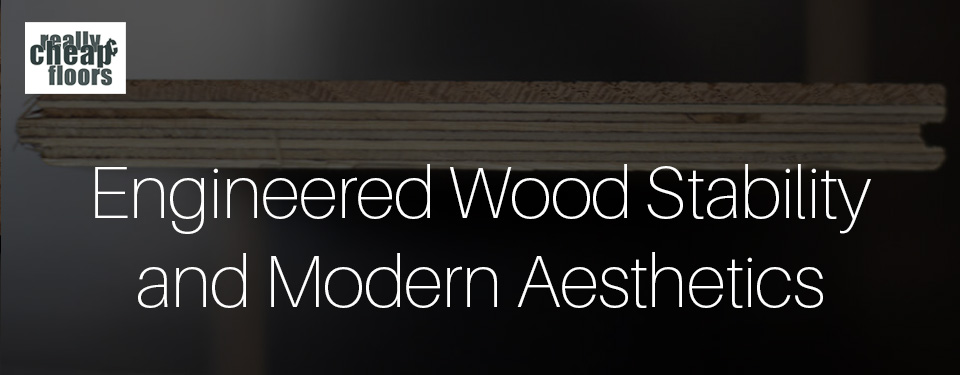
Engineered hardwood is built with a stable plywood core and a real wood veneer on top. That’s the part that helps it handle normal seasonal swings better than solid planks, especially over concrete. But durability can still be lost if the wear layer is thin or the finish is fragile. Remember, the shiny finish doesn’t hold up in a “life happens” type of home.
Top Layer Thickness is the Durability Focus
The top of an engineered plank is a slab of solid wood called the veneer layer or the wear layer. That layer is the one you walk on and it determines how well the floor resists daily abrasion and how many times it can be refinished before you run out of “real wood” depth.
In 2026, just like any other year, thicker tops are always better and they will perform longer under heavy foot traffic. If a home has muddy dog paws, laundry baskets dragged across the entry, and the occasional spill, you need the hardwood and multi-layer construction to be up to the task.
We’ve also learned a hard way with flashy showroom finishes. Bright gloss can look amazing for a month. Then it starts showing everything, even light scuffs. While durable floors can handle wear, the appearance can still break down visually faster if the surface isn’t built for “life happens.”
Core construction and Stability, why Engineered Floors hold up better
People love to compare species. Oak vs maple vs hickory. That’s fine, but it’s not the whole story. The multi-layered core construction is the main ingredient added to engineered floors because that layered construction is what prevents movement. The reason engineered was invented was simply so solid hardwood floors can last longer with a bolstered core.
Most quality engineered floors use a plywood core. That core helps reduce expansion and contraction, so the floor stays flatter and the joints stay more consistent. That matters because once a floor starts gapping and shifting, the wear layer and finish can break down faster around the seams.
We even see this built into the product descriptions we carry. For example, our Rustic Plank Colonial Grey 7" Blue Label calls out an 8-ply core for stability. That’s exactly the kind of engineering that helps durability, because movement is what turns minor wear into major problems.
- More stable core means less long-term joint stress.
- Stable boards mean less chance of separation when the house humidity swings.
- Stability supports the wear layer, so scuffs stay scuffs instead of becoming damage.
Finish matters more than most shoppers think
In a real home, durability isn’t only about impact. It’s also about how a floor fights surface wear day after day. The finish on your floor does more work than you realize on keeping your feet from damaging the wood veneer.
Many of the engineered floors we sell use UV-cured protection and aluminum-oxide wear protection to. That helps create a tougher top surface that resists scuffs, scratch lines, and abrasion. You can also see this on specific listings, like our Antique Gunstock 3.25" Blue Label, which specifically mentions UV-cured aluminum oxide wear protection.
However, even the best finish cannot stop grit from scratching or moisture levels from rising. So yes, the finish contributes to durability, but maintenance habits still decide the outcome.
Damage types, what actually wears engineered hardwood out
There isn't a magical AC number to cite or hold to when gauging the toughness of a floor. We can focus on damage types and how to avoid them though, because those tell you what to plan for.
1) Grit scratches
Sand and grit act like sandpaper. Entry mats help, shoe rules help, and vacuuming does too. Without that, even durable finishes get dull fast.
2) Water exposure
Engineered floors can handle normal moisture better than solid in many cases, but standing water is still a problem. Wipe spills quickly, and don’t let wet mops turn into long-term exposure.
3) Finish wear at high-traffic paths
Hallways and kitchen zones are brutal. If your wear layer is thinner, those zones will show it first. This is why thickness decisions matter.
4) Refinish limitations
Refinishing is not unlimited. If the wear layer is too thin, you may not get the number of refreshes you expect. That’s a big reason we always talk wear layer first.
Durability in 2026 also depends on what you buy, not just what you install
Here’s the part a lot of stores avoid. Buying engineered hardwood isn’t only about the product name. It’s about the actual grade, the surface character, and the finish quality you’re getting for your money.
We’ll say it plain. Some floors are priced like perfection, even when they’re not. And some floors are priced like rejects, even when they perform like first quality. Remember, living on a mirror isn't practical, and in 2026, it isn't stylish either. We steer people toward finishes and spec sheets that match a real-life home.
We also explain cabin grade honestly. It is the stuff regular folks can actually afford, and sometimes it comes with character. As we say internally, it ain't all pretty, but it has character.
If the flip must have solid hardwood, you should never, ever pay full price. But for most everyday homes in 2026, engineered hardwood is the practical move because it’s stable and the wear layer can be built to last.
- Blue Label can deliver 1st quality look and finish at a fraction of the cost.
- Rotary-peeled veneer can be cheaper, but you might see more “ugly” variability.
- Sawn-face veneer is often more beautiful and usually more consistent, so it costs more.
We got a great lesson from a truckload we bought as an ungraded floor. We purchased it as an ungraded floor which means that the manufacturer made no promises as to what was in the boxes. The lesson wasn’t “don’t buy.” The lesson was “know what you’re buying, then match it to your traffic and your timeline.”
Real products with Thicker Wear Layers
Let’s make this practical. When you’re trying to pick the right features of a floor, here are the kinds of specs we look for and how they connect to real wear.
- Stability callouts (plies, core)
Example: Rustic Plank Colonial Grey points to an 8-ply core, which supports long-term joint stability. - Wear protection callouts (UV-cured, aluminum oxide)
Example: Antique Gunstock Blue Label calls out UV-cured aluminum oxide wear protection. - Core stability in everyday traffic homes
Example: Maple Onyx 3.25" 1st Quality includes an 8-ply core and UV-cured finish for durability.
And yes, price matters, because durability also has a value side. Some of our engineered options are priced extremely low because colors get discontinued and stock is limited. For instance:
- Maple Onyx 3.25" 1st Quality is listed at $1.69 per unit on the page.
- Rustic Plank Colonial Grey is listed at $2.19.
- Country Discontinued Maple Onyx at $1.69 (limited stock) can be a strong durability-per-dollar option when the wear layer and finish are right.
That 2026 reality shows up when people install in real homes, not model homes. Concrete subfloors are common, and engineered hardwood is a practical way to keep the wood look while improving stability.
How to choose engineered hardwood durability for your household
Use this checklist to see what we recommend to regular folks who don’t want to pay for big-box markups or get talked into the wrong spec.
- Match wear layer to traffic
High-traffic areas need a wear layer that can handle daily abrasion. Thin layers show wear sooner. - Pick the right finish level
In 2026, low gloss and durable surface finishes tend to look better longer because they don’t show every tiny scuff like a spotlight. - Plan for pets and grit
If you have dogs, control entry grit. That’s the difference between “durable” and “dull.” - Confirm core stability (plies)
More stable cores help reduce joint stress and movement over time. - Don’t ignore installation
Subfloor prep, correct underlayment, and acclimation are part of durability, not “extras.”
If you want to browse engineered hardwood options directly, start here: engineered hardwood flooring. If you’re unsure, call us to order at 1-800-253-2728. We’ll help you match a durable spec to your home, not a showroom pitch.
Conclusion
Pick the engineered floor with the thickest veneer your budget can swing at. Aim for a tough Aluminum-Oxide finish, and a thick multi-ply core. Manage this investment and try to protect it from grit and moisture like an adult. Engineered hardwood durability is not a mystery, it’s math plus maintenance. And if you want killer value without big-box markups, Really Cheap Floors is where we do the pairing for regular folks, every day.
Frequently Asked Questions
Is engineered flooring durable like solid hardwood in 2026?
Engineered floors resist normal seasonal movement because of the plywood core, which helps them hold up better over time, especially over concrete.
Is engineered flooring durable enough for dogs and muddy paws?
All wood flooring can handle pets well. Aim for the aluminum-oxide finish in your purchase and make sure to quickly pick up urine accidents. Sand and mud act like sandpaper, so durable floors still need mats, quick cleanup, and sensible entry habits.
How durable is engineered hardwood flooring in a kitchen or entryway with spills?
Engineered hardwood can be durable in high-activity rooms, but it is not a “leave water sitting” product. If you want strong performance in 2026, wipe spills fast and avoid wet mopping that leaves moisture behind.
How many times can you refinish engineered wood floors and still call it durable?
The refinish ceiling depends on how thick the wear layer is. Thicker wear layers generally give you more sanding/refinishing potential before you hit the limits of the top veneer.
Does the thickness of engineered hardwood affect durability?
Yes, thickness and wear layer depth both add up to be a more sturdy and stable plank floor. A thicker overall profile often signals more material for wear resistance and can correlate with longer-lasting refinishing options.
What’s the best way to choose engineered flooring products without overpaying?
The best way to compare them is to look at the board thickness, veneer thickness, and get a prefinished version. Nailing these three specs in the larger or thicker varieties is a great step in finding the real quality floors and removing the real cheap stuff from your search. Aim for a tough wood species like red oak, white oak, or hickory for some beefy lumber options to handle any abuse thrown their way. Then buy the right grade for your timeline, because cabin grade and blue label specs can deliver strong durability for less than inflated showroom pricing.