The hardwood category has actually shrunk by nearly 40% in volume since 2016, mostly because homeowners got tired of paying big-box prices for something waterproof vinyl can do for less. If you're a Dave Ramsey disciple who pays cash and hates debt more than you hate a scuffed baseboard, this guide to flooring is written for you. We're going to walk you through buying USA-made hardwood with cash in 2026 without falling for the markups that big-box stores build into every single box.
Key Takeaways
- Cash buyers save the most on cabin grade. Manufacturer rejects and mismatched batches get sold at a steep discount because most stores refuse to stock them.
- USA-made hardwood dodges tariff chaos. Buying domestic keeps you off the import rollercoaster and supports American mills, a fact we spell out on our Made in the USA page.
- Engineered hardwood isn't "less than" solid. It's the practical choice for concrete slabs, basements, and anyone who wants real wood without real headaches.
- Glossy floors are dying out. Low gloss and matte finishes hide scratches, dust, and dog prints better than the shiny stuff ever did.
- Paying cash means you negotiate like a liquidator, not a customer. No financing plan means no interest, no fine print, and no reason to overpay.
- Vinyl plank is the backup plan for wet zones. Kitchens, laundry rooms, and rentals do better with waterproof product than with solid hardwood.
- Grading systems like Blue Label exist to save you money, not confuse you. We break ours down in plain English so you know exactly what's in the box before you buy.
Why Cash Beats Credit on Every Floor We Sell
Dave Ramsey has spent decades telling regular folks the same thing: if you can't pay cash for it, you probably don't need it right now. Flooring is no exception.
Financing a floor means paying interest on boards that are already marked up by a middleman. Buying with cash means you walk in ready to negotiate, and liquidators like us respond to that.
We built our business selling cabin grade, mill run, and closeout hardwood at prices that make financing pointless. Remember, cheap flooring is our middle name, and this guide is going to show you how to get killer value without the big-box markups.
Buying USA-Made Hardwood Without Debt
USA-made hardwood isn't a patriotic slogan we slap on a landing page. It's a supply chain decision that protects your wallet.
Domestic mills don't carry the same tariff risk that overseas hardwood does, and the quality control is easier to verify when the factory is a phone call away instead of an ocean away. The flooring made in the USA we stock comes from mills across several states, which keeps American labor working and keeps our pricing predictable.
That predictability matters when you're paying cash. You want to know the price you see is the price you pay, not a number that shifts because a container got stuck at a port.
Understanding Grades: Cabin, Blue Label, and First Quality
Here's where most homeowners get taken for a ride, and it's exactly why we specialize in this stuff. We are proud to say we're one of the largest liquidators of Cabin Grade flooring in the United States.
Cabin Grade means manufacturer rejects. Sometimes a batch gets pulled because of color inconsistency, sometimes because of knots, sometimes for reasons only the mill inspector knows.
Buying our Blue Label cabin grade gives you the exact same material and finish as 1st Quality for a fraction of the cost. It ain't all pretty, but it has character.
Most stores flat-out refuse to carry Cabin Grade because the profit margins are thin. That's exactly why we do it. Our Chateau Oak Gunstock 3.25" Utility is a good example, priced at $1.59 a square foot because it's a utility-grade cut of the same solid oak you'd pay triple for at a name-brand showroom.
If you want the smooth version of the story, read our full breakdown on explaining Cabin Grade flooring, because it explains exactly what "manufacturer made no promises" actually means for your living room.
Engineered vs Solid Hardwood: Which Saves You More Cash
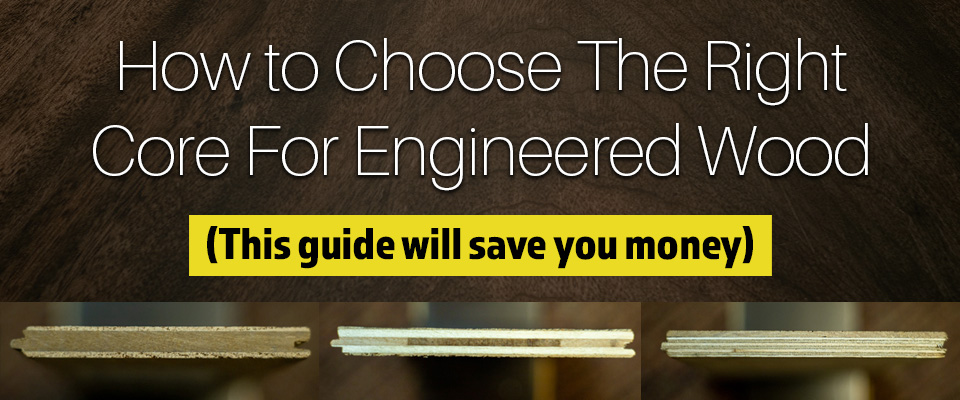
Solid hardwood is the traditional choice, but engineered hardwood now dominates the category. 68% of the market has shifted toward engineered construction, largely because it installs directly over concrete slabs without the moisture headaches solid wood brings.
If you're renovating a basement, a slab-on-grade home, or anywhere humidity swings hard, engineered is the cash-smart move. Our engineered hardwood collection ranges from $1.29 to $2.89 a square foot depending on width and wear layer, and every plank still has a real wood veneer on top, not a photograph.
Solid hardwood still wins on refinishing potential. You can sand a solid floor down multiple times over its life, while engineered floors are limited by the thickness of the top veneer.
The Ambient Oak Gunstock 3.25" Blue Label at $1.49 a square foot is a solid entry point if you're just testing whether engineered fits your renovation budget.
Hickory, Red Oak, and White Oak: USA-Made Species That Actually Perform
Species matters more than most first-time buyers realize, especially if you've got dogs, kids, or a house full of both.
Hickory Hardwood Flooring
Hickory is one of the hardest domestic wood species you'll find in any flooring store, which makes it a favorite for high-traffic homes.
Prefinished solid Hickory Driftwood runs $3.29 a square foot, while the darker Ember tone in the same cabin grade family sits at $3.69. If you want the engineered version instead, the Country Low Gloss Hickory Ember 3.25" Cabin comes in at $2.89, proof that cash-conscious buyers don't have to sacrifice hardness or color.
Red Oak Flooring
Red Oak has been the American living room standard for generations, and it's still one of the most cost-effective hardwoods on the market.
Engineered Red Oak starts around $2.29 a square foot, and prefinished solid Gunstock lands near $3.49. It's a wide plank floor that works in almost any style home, from a farmhouse rebuild to a straightforward rental flip.
White Oak Hardwood Flooring
White Oak is tighter grained than red, refinishes beautifully, and holds a stain more evenly, which is why designers keep gravitating toward it.
Engineered White Oak Natural starts at just $1.29 a square foot in the standard width, climbing to $1.99 for a wider 7.25" plank. Prefinished solid Gunstock runs $3.49, still a fraction of what you'd pay walking into a big-box aisle.
The End of the Shine: Why Low Gloss Is the Smart Choice in 2026
The shiny finish doesn't hold up in a "life happens" type of home. Every scratch, every muddy dog paw, every dropped skillet shows up under high gloss like a spotlight on a stage.
Living on a mirror isn't practical, and in 2026, it isn't stylish either. Low gloss and matte finishes hide daily wear, which is why the industry is confirming what we've known for years: most people replace glossy floors for a product at Really Cheap Floors that actually holds up.
Our Antique S Urban Gray 2.25" Utility at $1.49 a square foot is a great example of the low gloss, rustic-modern look that's replacing the old-school high shine.
Waterproof and Vinyl Plank: The Discount Backup for Wet Zones
Not every room in the house needs solid hardwood, and pretending otherwise is how people blow their budget on floors that end up warping.
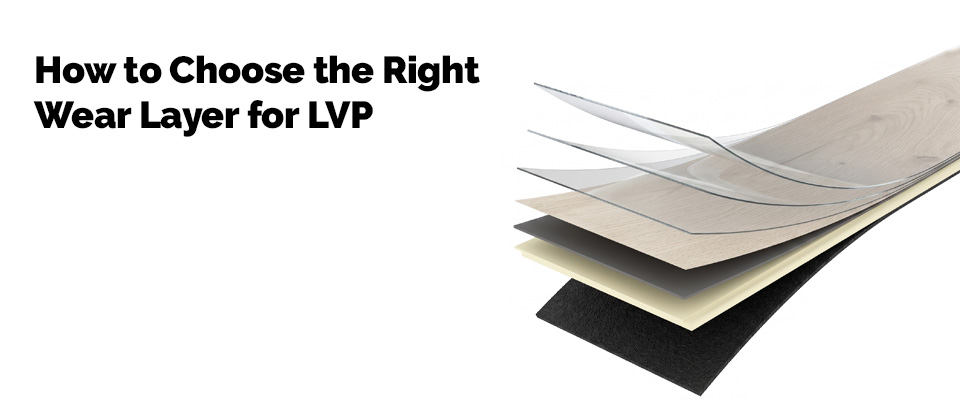
Kitchens, laundry rooms, bathrooms, and rental units do better with a waterproof flooring option that shrugs off spills instead of soaking them up. Our vinyl plank inventory includes 20 mil wear layers and 100% waterproof cores that cost a fraction of solid hardwood while looking nearly identical from across the room.
If you want the full luxury look without the solid wood price tag, our luxury vinyl plank collection is where the cash-only crowd usually lands for wet rooms.
How to Buy Discount Hardwood Flooring Without Getting Burned
Discount hardwood doesn't have to mean a bad floor. It usually means a good floor with a cosmetic issue the manufacturer didn't want to deal with.
We bought several of our lots as ungraded floors, which means the manufacturer made no promises as to what was in the boxes. Expect lots of short pieces and you will not be disappointed, because you already knew what you signed up for.
That transparency is the whole point. We tell you up front if a floor has machine burn, short boards, or a sawn-face veneer instead of the uglier rotary-peeled kind, so you're never surprised when the truckload shows up on your driveway.
A Family Business Built for Cash Buyers
We didn't invent the idea of paying cash for a good floor. The Cook family has been in the flooring business for 50 years, and everything we do traces back to a simple idea: sell honest product at a killer value, and let regular folks skip the debt.
That's the whole reason we operate like liquidators instead of a traditional flooring store. We buy truckloads of USA-made hardwood, cabin grade, and closeout vinyl plank, then pass the savings straight to the customer instead of stuffing it into a showroom overhead budget.
Conclusion
Following the Dave Ramsey guide to flooring means buying USA-made hardwood with cash, skipping the financing traps, and knowing exactly what grade you're getting before the truck shows up. Whether you land on prefinished solid Hickory, a Blue Label engineered Red Oak, or a waterproof vinyl plank for the laundry room, the goal stays the same: real value, no debt, and a floor that survives actual life happening on top of it.
Buying USA-made flooring isn't just a cash-smart move, it supports a massive domestic industry.
Frequently Asked Questions
Is it worth buying USA-made hardwood flooring with cash in 2026?
Yes, buying USA-made hardwood with cash avoids interest charges and gives you leverage to negotiate closeout and cabin grade pricing that financed purchases rarely qualify for. It also keeps your floor out of the tariff uncertainty that's hit imported wood over the past year.
What's the cheapest way to buy discount hardwood flooring?
Cabin grade and ungraded hardwood lots are the cheapest legitimate way to buy discount hardwood flooring, since they're manufacturer rejects sold below first-quality pricing. Just expect some short boards and cosmetic variation in exchange for the savings.
Is engineered hardwood a good substitute for solid hardwood?
Engineered hardwood works well over concrete slabs and in humid climates where solid wood struggles, and it now makes up the majority of the hardwood flooring market. Solid hardwood still wins if you want a floor you can refinish multiple times over its life.
Should I use vinyl plank instead of hardwood in kitchens and bathrooms?
Yes, waterproof vinyl plank flooring handles spills, humidity, and heavy foot traffic far better than solid hardwood in kitchens, laundry rooms, and bathrooms. It also costs less per square foot, which fits the cash-first approach this guide is built around.
Why does Really Cheap Floors focus on USA-made hardwood instead of imported wood?
Domestic mills keep quality control closer to home and avoid the price swings caused by tariffs on imported hardwood. Buying USA-made also supports the roughly 45,000 jobs tied to the American hardwood flooring industry.
What does "Cabin Grade" actually mean when buying hardwood?
Cabin Grade refers to manufacturer rejects pulled for color inconsistency, knots, or other cosmetic issues, sold at a steep discount compared to first quality. The material and finish underneath are identical to the higher-priced boxes on the shelf next to it.
Are glossy hardwood floors still popular in 2026?
No, high gloss finishes have fallen out of favor because they show scratches, dust, and everyday wear far more than low gloss or matte finishes. Most homeowners replacing old glossy floors are choosing low gloss hardwood or waterproof vinyl plank instead.