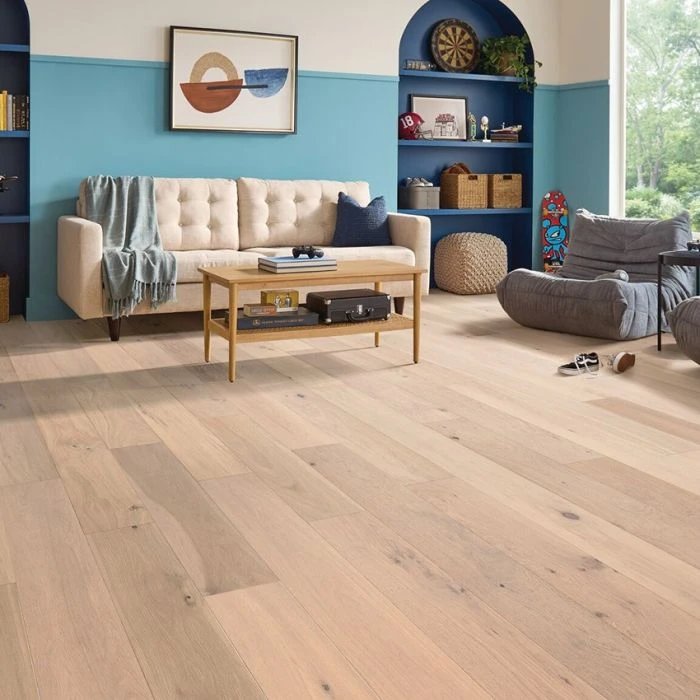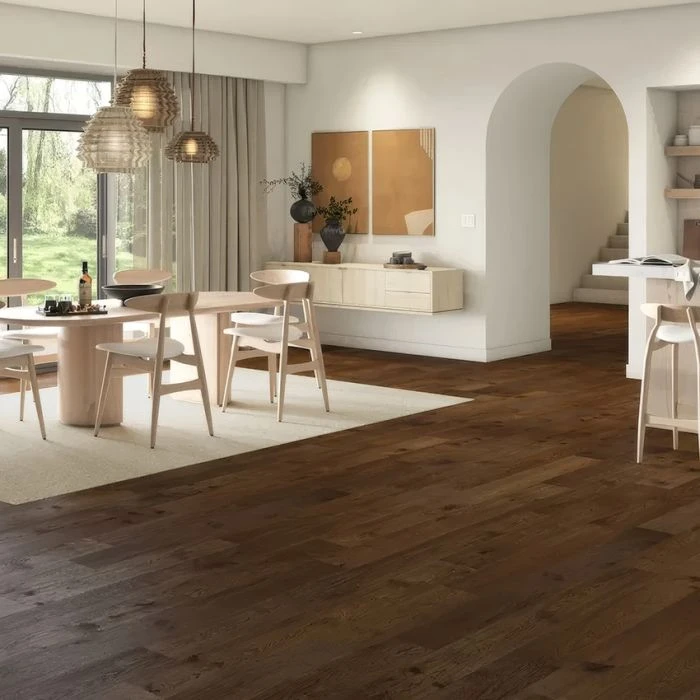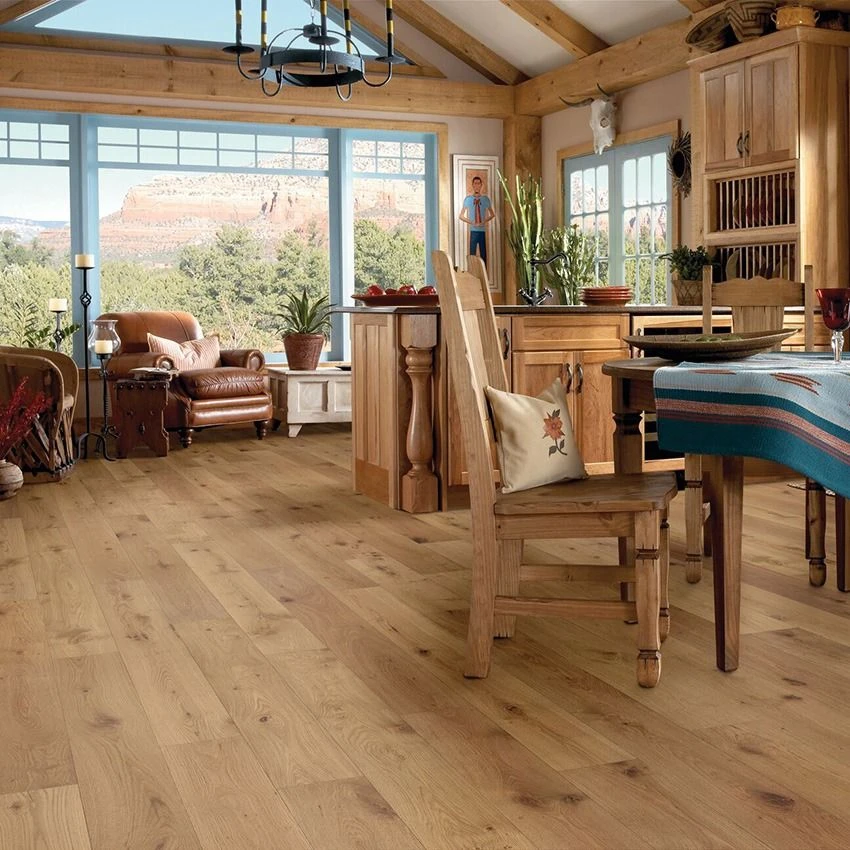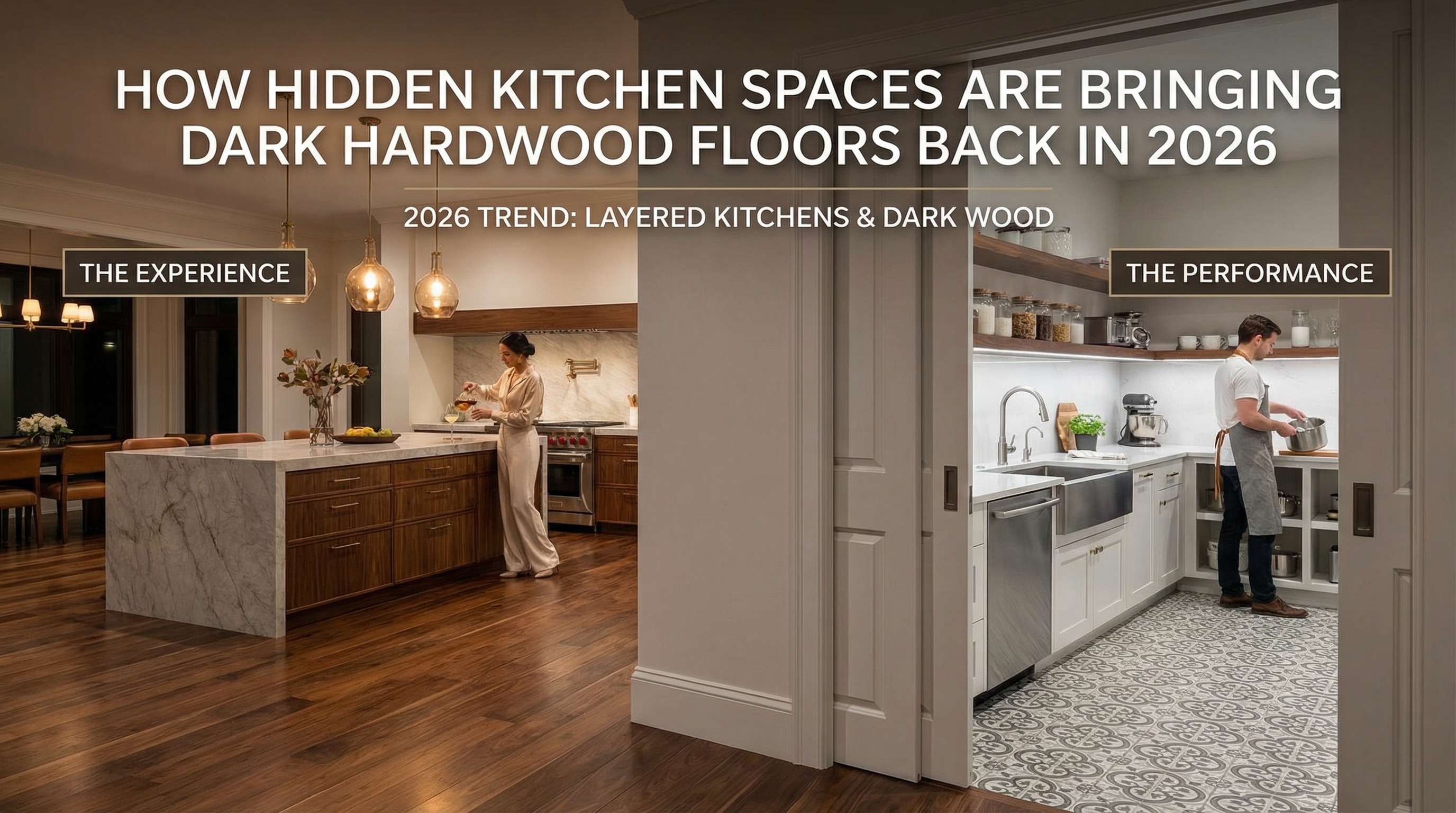
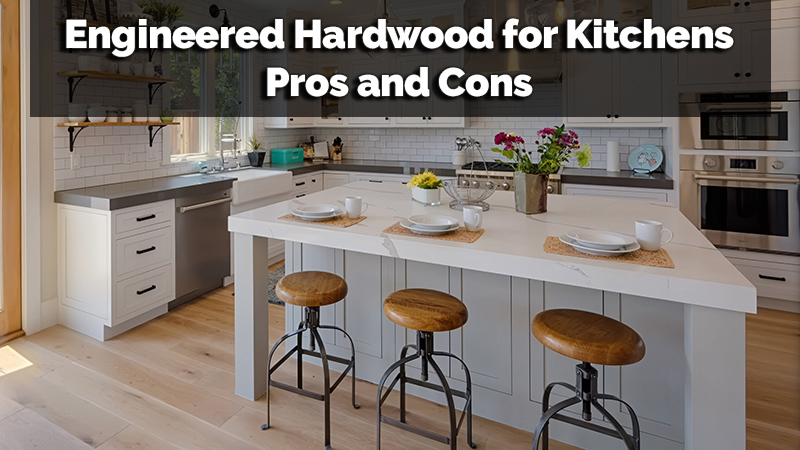
When deciding on the best hardwood flooring for a culinary workspace, evaluating engineered wood floors for a kitchen is a great place to start. These multi-layered products have gained substantial traction among homeowners who want the warmth of natural grain underfoot without committing to traditional plank materials. Understanding what makes them tick from the core construction to the surface veneer. I'll cover everything that helps you make a confident purchasing decision that balances aesthetics, performance, and long-term value.
With so many flooring options on the market today, it can feel overwhelming to narrow down the right material. Tile, vinyl, laminate, and natural lumber all compete for attention, yet layered lumber products occupy a unique middle ground. They deliver the visual richness of genuine timber with structural engineering designed to handle the demands of a high-traffic cooking environment. This guide walks through every angle so you can determine whether this category belongs in your renovation plan. You can also browse our full inventory at ReallyCheapFloors.com to see what's currently available.
Core Benefits of Engineered Hardwood

One of the most compelling pros of choosing a layered timber product for a cooking area is its dimensional stability. Unlike single-species lumber that expands and contracts with seasonal humidity shifts, these multi-ply constructions resist warping because the cross-grain layering counteracts movement in any single direction. This means fewer gaps between boards over time, a cleaner look year-round, and considerably less maintenance compared to traditional single-piece choices. For kitchens where temperature fluctuations are common, that stability is invaluable.
Beyond stability, engineered hardwood is durable enough to withstand the daily wear patterns that a kitchen generates — foot traffic from morning coffee routines to evening meal prep, chairs sliding across the surface, and the occasional dropped utensil. The durability of the top veneer depends on species and finish thickness, so selecting a product with a wear layer of at least 2mm ensures you can sand and refinish the surface at least once during its lifespan. That kind of longevity makes it a genuinely practical choice for active households. Explore our full engineered hardwood collection to find the right fit for your kitchen.
Comparing Styles of Wood Flooring


When you compare wood flooring categories side by side, the differences extend far beyond surface appearance. Solid hardwood consists of a single piece of milled timber — typically three-quarters of an inch thick — and performs best in climate-controlled living rooms and bedrooms. Layered products, by contrast, pair a genuine veneer with a dimensionally stable substrate, making them an increasingly popular alternative for rooms exposed to humidity and temperature swings, including kitchens, basements, and sunrooms.
Design variety is another area where layered products shine. Manufacturers offer everything from hand-scraped rustic textures to sleek wire-brushed contemporary finishes, covering species from white oak and hickory to walnut and maple. The visual outcome is virtually indistinguishable from a traditional single-piece setup, but the structural advantages are significant. For homeowners who refuse to compromise on appearance yet need a product built for real-world kitchen conditions, this category checks every box on the selection list.
The Aesthetic Appeal of Real Wood
Nothing replicates the warmth and character of real wood in a living space. Each board carries unique grain patterns, mineral streaks, and tonal variations that synthetic products simply cannot mimic with the same level of authenticity. In a kitchen setting, that natural beauty creates a welcoming atmosphere — transforming a purely functional room into a space where family and guests naturally gather. Whether you lean toward the honey tones of red oak or the cool, modern neutrality of European white oak, genuine timber brings depth that printed surfaces lack.
The visual continuity of running the same wood floor from an open-concept kitchen into adjacent living and dining areas creates a seamless, expansive feel throughout the home. Designers consistently recommend this approach because it eliminates abrupt transition strips and makes smaller floor plans appear significantly larger. With wider planks trending upward in popularity — five-inch, seven-inch, and even nine-inch widths — the result is a clean, contemporary canvas that pairs beautifully with cabinetry of virtually any style or finish.
Why Engineered Wood Is Unique
What distinguishes engineered floors from every other category is the layered construction method itself. A typical product features a veneer bonded to multiple plies of birch, poplar, or high-density fiberboard arranged in alternating grain directions. This cross-lamination technique — borrowed from plywood engineering — gives each board remarkable resistance to expansion and contraction. The result is a product that engineered wood flooring is specifically designed for: environments where humidity levels shift frequently, such as kitchens adjacent to dishwashers, sinks, and boiling pots.
Another defining feature is format versatility. Engineered boards come in click-lock, tongue-and-groove, and glue-down configurations, giving installers flexibility based on subfloor conditions and homeowner preferences. Some products even support floating setups over radiant heat systems — a capability that traditional single-piece lumber rarely offers. This adaptability means you can tailor the project to your kitchen's specific requirements without sacrificing the authentic appearance of natural timber grain on every visible surface.
Challenges With Solid Hardwood
While traditional hardwood floors remain a beloved classic, they present distinct challenges in kitchen environments. Temperature and humidity fluctuations near ovens, dishwashers, and refrigerators cause single-species lumber to expand and contract at a rate that often leads to cupping, crowning, or visible gapping between boards. These floors are very susceptible to damage when standing liquids are not cleaned up promptly, which is a near-daily reality in any active cooking space. For households with young children or busy routines, that vulnerability demands constant vigilance.
Surface damage is another consideration. Single-piece lumber, despite its thickness, can show scratching from chair legs, pet claws, and dropped cookware — especially softer species like pine or fir. The cons of choosing this material for a kitchen often come down to maintenance intensity: frequent resealing, careful climate control, and immediate attention to any liquid that reaches the surface. Homeowners who prefer a lower-maintenance lifestyle may find these requirements difficult to sustain over the ten-to-twenty-year lifespan of a typical floor.
Moisture and Spills Management
Kitchens are inherently wet environments. From rinsing produce to boiling pasta, water contacts the floor surface more frequently here than in any other room. Layered timber products handle moisture than solid wood significantly better because the cross-laminated substrate resists swelling, but they are not waterproof. Prompt cleanup of spills remains essential — standing liquid that seeps into seams can still damage the veneer and delaminate the core layers over time. A quality polyurethane or aluminum-oxide finish adds an important first line of defense against daily kitchen exposure.
Preventive strategies make a measurable difference in long-term performance. Placing mats near the sink, dishwasher, and refrigerator ice dispenser catches the majority of incidental drips before they reach the surface. Using a damp — not soaking — mop for routine cleaning prevents excess liquid from migrating into joints. These simple habits extend the lifespan of a kitchen surface by years, ensuring the initial investment continues to deliver both visual appeal and structural integrity throughout the life of the home.
Analyzing MDF, HDF, and SPC Cores
The substrate beneath the veneer determines a lot about how an engineered flooring product performs in a kitchen. Medium-density fiberboard cores are cost-effective but swell quickly when exposed to moisture, making them a poor fit for culinary environments. High-density fiberboard cores offer improved resistance and rigidity, while stone polymer composite cores represent the most moisture-resilient option available — essentially making the product impervious to the intermittent splashes that kitchens generate on a daily basis.
Choosing the right core material is just as important as selecting the veneer species. A beautiful oak or hickory surface layer loses all value if the substrate beneath it degrades within a few years. Solid wood plywood cores strike an excellent balance between moisture performance and structural stability, which is why premium manufacturers favor them for kitchen-grade products. Before committing to a purchase, always verify the core composition — it is the single most consequential specification for any timber surface placed in a moisture-prone room.
Routine Cleaning Guidelines
Maintaining kitchen floors in pristine condition requires a straightforward daily routine. Sweep or vacuum with a soft-bristle attachment to remove grit and debris that can act like sandpaper under foot traffic. Follow up two to three times per week with a manufacturer-approved cleaner applied via a microfiber mop — avoid steam cleaners and wet jet systems, which force moisture into seams and can compromise the finish layer. Consistency in this basic regimen prevents the gradual dulling and micro-abrasion that diminish a surface over time.
For deeper seasonal maintenance, consider applying a refresher coat compatible with your existing finish. These products fill micro-scratches, restore sheen, and add a thin protective barrier without requiring a full sand-and-refinish cycle. Keeping wood floors in top condition also means addressing furniture pads — replace felt protectors on chair and table legs every six months, as compressed or worn pads collect grit and become abrasive themselves. These small investments in upkeep protect the larger investment underfoot and keep the surface looking showroom-ready.
Installation Strategies For Culinary Spaces
Proper installation begins well before the first board is laid. Acclimate the product in the kitchen for a minimum of 48 to 72 hours, allowing it to adjust to the room's ambient temperature and relative humidity. Subfloor preparation is equally critical — ensure the surface is level within three-sixteenths of an inch over a ten-foot span, dry, and free of debris. For concrete subfloors common in many kitchens, a moisture vapor barrier is non-negotiable to prevent ground-level humidity from migrating upward into the layered construction.
When it comes to method selection, a glue-down approach provides the most stable result for kitchen environments because it eliminates the hollow feel and potential for moisture migration beneath a floating floor. Engineered hardwood in a glue-down configuration bonds directly to the subfloor, creating a monolithic surface that handles heavy foot traffic, rolling loads from appliance deliveries, and the thermal cycling near ovens and cooktops. If a floating approach is preferred, choose a product with a robust click-lock profile and always use a premium underlayment rated for moisture protection.
Managing Oven Heat and Humidity
Ovens, ranges, and dishwashers generate localized heat and steam that can stress any natural surface over time. Positioning a heat-resistant mat or rug in front of the oven opening shields the nearest boards from direct thermal exposure during extended cooking sessions. Maintaining kitchen ventilation through a range hood vented to the exterior — rather than a recirculating filter — actively removes airborne moisture and helps stabilize the relative humidity across the entire room, protecting every square foot of the surface equally.
Seasonal fluctuations also demand attention. In winter months, forced-air heating systems can drop indoor humidity below 30 percent, causing natural surfaces to shrink and gap. Running a whole-home or room-level humidifier during dry seasons keeps relative humidity between 35 and 55 percent — the ideal range for layered timber stability. Conversely, summer cooking marathons and dishwasher cycles can spike humidity above comfortable levels, so air conditioning and dehumidification become equally important tools for protecting the investment beneath your feet throughout the entire calendar year.