Choosing the right flooring can transform any room, and engineered hardwood remains one of the most popular choices among homeowners. Unlike solid planks that are milled from the same tree, these products use a layered construction to create a layered core. This multi-layer core is made to increase its overall stability across climate zones and subfloor types.
Engineered hardwood flooring has gained enormous traction because it pairs the beauty of real wood with enhanced dimensional stability. Each plank is made from multiple layers bonded together, allowing installation in areas where a traditional option might warp or buckle. In this guide, we walk through the most common species, core compositions, surface treatments, and placement approaches so you can choose with confidence.
Table of Contents
- What Is Engineered Flooring?
- Construction and Manufacturing
- Top Species Options
- Comparing Engineered and Solid Alternatives
- Core Layer Thickness and Structural Design
- Surface Treatments and Finish Types
- How to Install These Floors
- Pricing and Value
- Maintenance and Long-Term Care
- Frequently Asked Questions
What Is Engineered Hardwood Flooring?
An engineered plank features a top veneer of genuine hardwood bonded to a substrate of plywood, high-density fiberboard, or another composite core. The result looks and feels identical to a solid board on the surface yet resists moisture and temperature swings far better. This design allows each piece to expand and contract without warping, making it suitable for radiant heat systems and below-grade basement spaces.
Because the veneer on top is genuine timber, these surfaces deliver the same grain patterns and natural warmth you would expect from a traditional option. Advances in manufacturing now allow high-quality wood species such as white oak, hickory, and walnut to be sliced into precision veneers and paired with stable substrates, producing a product that rivals any premium alternative in visual appeal.
Whether you are renovating a single room or outfitting an entire home, engineered hardwood delivers the warmth of natural wood without the limitations of a traditional plank. The engineered construction allows each piece to perform well in environments where humidity and temperature fluctuate throughout the year.
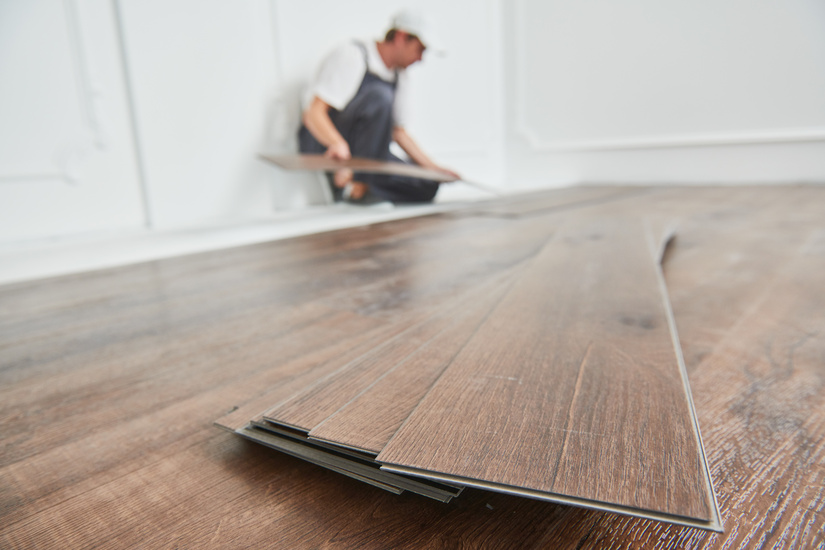
The growing popularity of engineered wood flooring stems from practical advantages as well. Stable flooring types allow for a floating placement known as a floating installation that rests over existing surfaces. This type of installation reduces labor costs, material costs, and shortens the final project timeline. Many homeowners find that this category provides the best balance of aesthetics, durability, and ease of setup.
How the Layers Fit Together
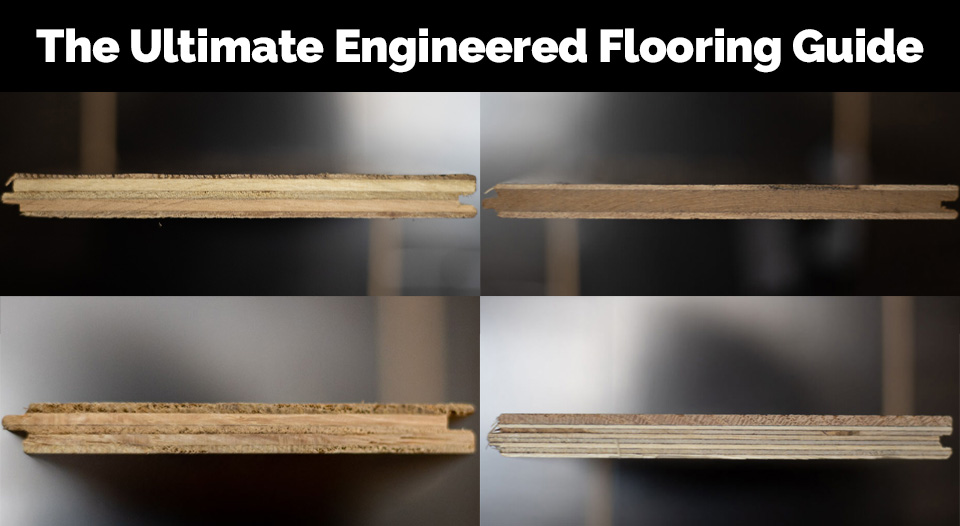
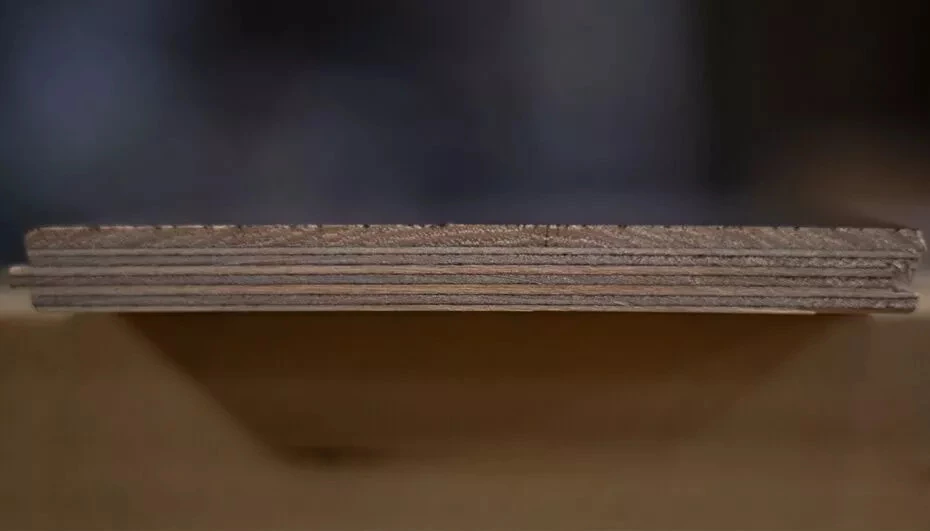
Every plank starts with a core, typically three to nine plies arranged in alternating grain directions. This cross-grain orientation is what gives engineered wood its superior dimensional stability. On top sits a veneer, or a slab of solid wood that is usually between 0.6 mm and 6 mm thick. This solid wood top section can be sanded depending on how thick it is.
Thicker veneers allow for more sanding cycles over the lifespan of the surface, while thinner ones keep cost down and overall height manageable. The bottom usually features a backing layer that balances internal stresses and prevents cupping. Understanding this build helps you evaluate which product will perform best in your climate and subfloor conditions.
Construction and Manufacturing
Manufacturing involves several precise steps. First, logs are peeled or sliced to create thin veneer sheets. These sheets are then dried, graded, and bonded to the core substrate using heat and pressure. The adhesive used, typically a urea-formaldehyde or phenol-formaldehyde resin, which determines emission levels and bond strength.
After lamination, each piece is milled to its final dimensions, and tongue-and-groove or click-lock profiles are machined into the edges. The surface then receives finish coats—typically UV-cured polyurethane, aluminum oxide, or a natural oil—before packaging. Quality control checks at every stage ensure strict CARB Phase II compliance for formaldehyde emissions.
Multi-Ply Core vs. HDF Core
The two most common core materials are multi-ply plywood and high-density fiberboard. A plywood core uses layers arranged in a cross-grain pattern, delivering excellent structural integrity and moisture resistance. HDF cores, made from compressed fibers, offer a smoother bonding surface and tend to be more affordable, though they are less tolerant of standing water.
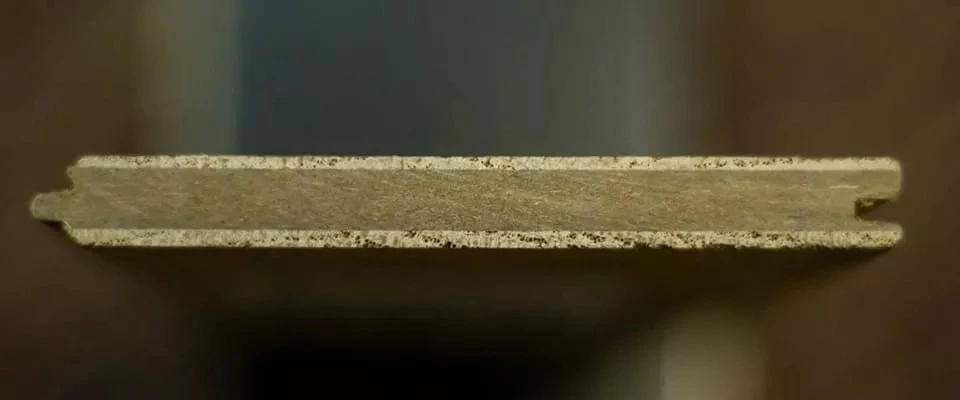
For areas prone to humidity—such as kitchens and basements—a plywood core is generally the better choice. HDF performs well in climate-controlled interiors where moisture exposure is minimal. Some premium manufacturers now offer stone-polymer composite (SPC) cores for maximum waterproofing.
Selecting the Right Veneer
Veneer thickness directly impacts how many times the surface can be sanded and, by extension, its useful lifespan. A 0.6 mm micro-veneer may allow only a light buff and recoat, whereas a 4 mm or 6 mm wear layer can withstand two to three full sandings. Homeowners who prioritize longevity should look for a thicker top paired with a stable plywood core.
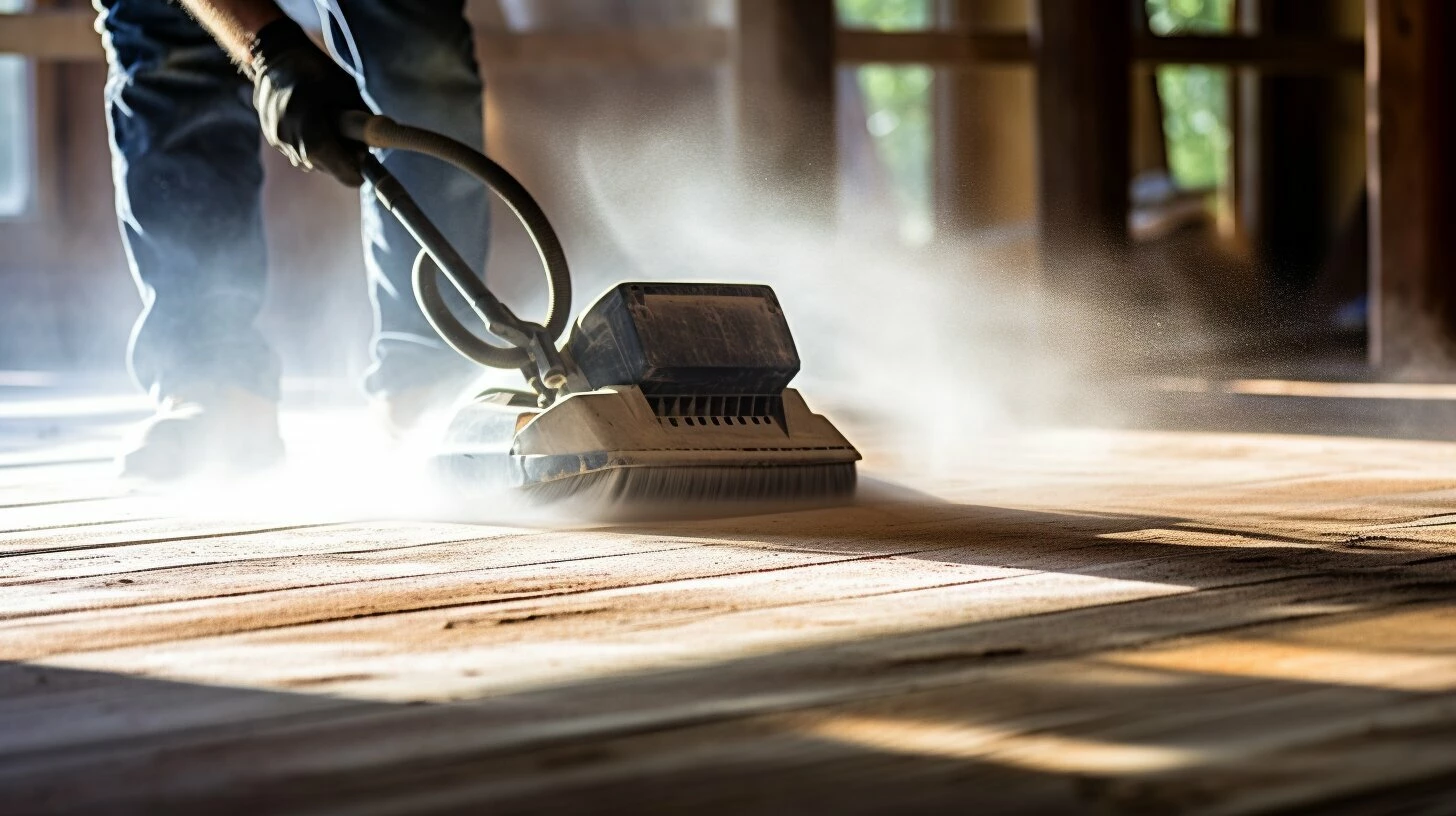
Keep in mind that thicker veneers raise both the price per square foot and the overall height, which can create transition issues between rooms. Balance your budget against expected foot traffic, and consult manufacturer specifications for recommended limits. In most residential settings, a 2 mm to 3 mm veneer provides ample durability without excessive spending.
Common veneer grades and their characteristics vary by manufacturer, but generally follow these categories:
- Select grade — We call this 1st Quality. Minimal knots and uniform color for a clean, formal appearance
- Natural grade — We call this Builder Grade. Moderate variation with some knots and mineral streaks for character
- Character grade — We call this Cabin Grade. Embraces knots, splits, and color variation for a rustic aesthetic
Top Wood Species Options
The species you choose defines the color, hardness, and character of the finished surface. From classic domestic varieties to rare exotic hardwoods, every option brings a unique aesthetic. Below is a comparison of the most popular choices available today.
| Species | Janka Hardness | Color Range | Best For |
|---|---|---|---|
| White Oak | 1,360 lbf | Honey to amber | High-traffic living areas |
| Red Oak | 1,290 lbf | Pinkish-red to brown | Traditional interiors |
| Hickory | 1,820 lbf | Blonde to dark brown | Rustic and farmhouse styles |
| Maple | 1,450 lbf | Creamy white to light brown | Contemporary aesthetics |
| Walnut | 1,010 lbf | Rich chocolate brown | Luxury and mid-century design |
| Acacia | 2,300 lbf | Golden to deep walnut | Exotic statement surfaces |
Oak Varieties and Characteristics
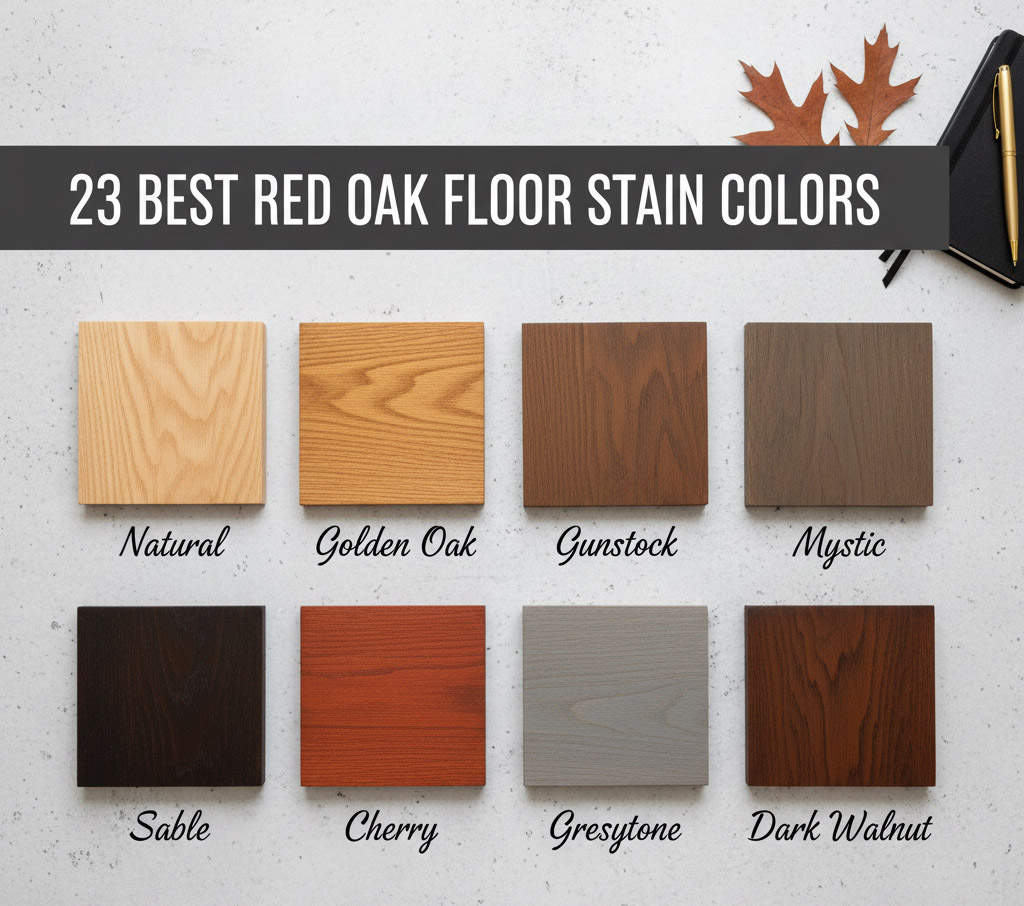
White oak offers a tight pattern and natural resistance to moisture, making it ideal for kitchens and entryways. Red oak, while slightly softer, delivers a warmer tone and more pronounced texture that suits traditional and transitional interiors. Both accept stain beautifully, enabling a range of custom color finishes from pale Scandinavian whitewash to deep espresso.
When shopping for oak, pay attention to the grade—select and better grades minimize knots for a cleaner look, while character grades embrace natural imperfections for a more rustic feel.
Understanding Grain Patterns
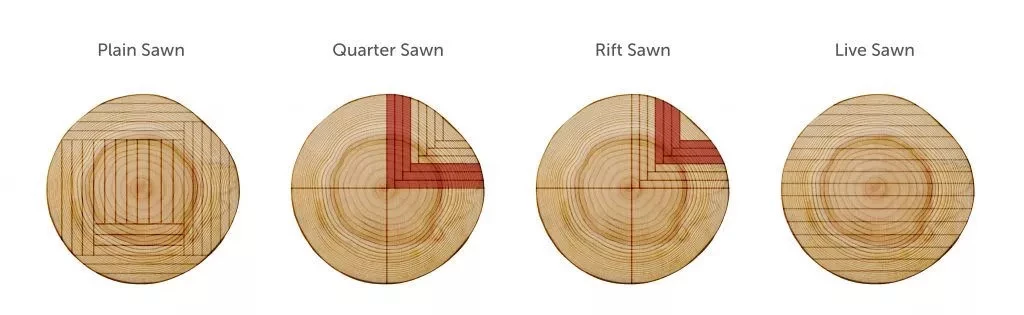
The way a log is sliced determines the visual character of the veneer surface. Plain-sawn cuts produce the classic cathedral pattern seen in most options. Quarter-sawn cuts yield straight, parallel lines with subtle ray fleck details prized in Craftsman-style homes. Rift-sawn cuts fall between the two, offering a linear appearance with minimal fleck. Each approach affects both the look and the dimensional behavior of the final piece.
Other Popular Domestic Choices
Beyond those varieties, three species deserve special attention. Walnut is prized for its rich, chocolate-brown heartwood—a top choice for modern and mid-century interiors. Hickory ranks among the hardest domestic options and features dramatic color variation that gives rustic spaces an authentic, lived-in character.
Maple offers a clean, contemporary look with its pale coloring and subtle texture. It is harder than most domestic species, making it a practical choice for households with children and pets. All three are readily available with a variety of stain and surface treatment options.
Comparing Engineered and Solid Alternatives
One of the first decisions in any project is whether to go with an engineered product or solid hardwood. Both deliver the look of natural timber, but they differ in construction, performance, and placement requirements. The table below summarizes the key differences.
| Feature | Engineered | Solid |
|---|---|---|
| Construction | Multi-layer (veneer + core) | Single piece |
| Stability | High (resists moisture swings) | Moderate (expands/contracts) |
| Placement | Float, glue, nail | Nail or staple only |
| Sanding Potential | 1–3 times (varies by veneer) | 5+ times |
| Below-grade | Yes | No |
| Radiant Heat | Yes (most products) | Not recommended |
Solid hardwood has the advantage of virtually unlimited sanding potential, since the entire piece is the same species from top to bottom. However, solid boards must be nailed to a subfloor and cannot be placed in basements or over concrete without extensive preparation. The engineered alternative removes these limitations, offering three approaches and compatibility with almost any substrate.
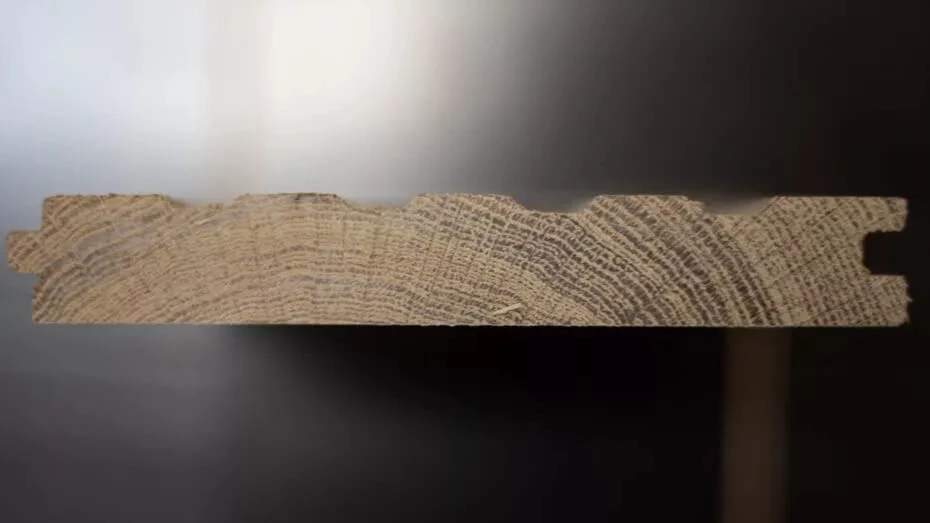
For most homeowners, engineered flooring is the more versatile and cost-effective solution—especially in climates with significant humidity variation. A solid option may be preferred in formal settings where the ability to sand the surface many times over decades justifies the higher upfront investment.
Stability and Moisture Resistance
Dimensional stability is the standout advantage. Because the core layers are arranged in a cross-grain pattern, each ply counteracts the natural expansion tendency of the ones above and below it. This engineered design drastically reduces seasonal gapping and cupping that can affect traditional surfaces in humid or dry environments.
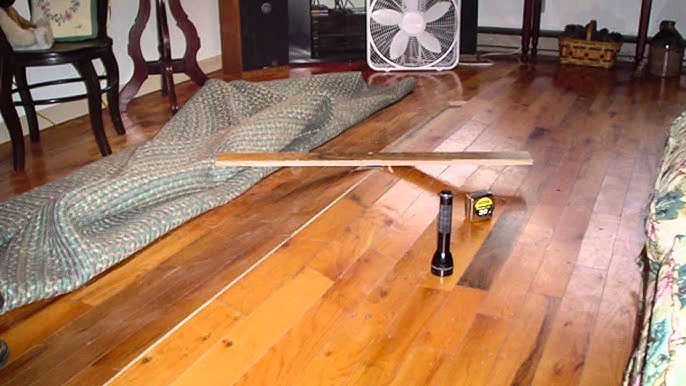
Manufacturers typically rate their products for relative humidity ranges of 30% to 80%, whereas a solid alternative performs best within a narrower 35% to 55% range. If your home lacks climate control or you plan to use radiant heat, an engineered product is the safer bet for hardwood installation in challenging environments.
Wire-Brushed and Hand-Scraped Textures
Wire brushing removes soft grain from the surface, leaving harder portions elevated for a subtle, tactile effect that also helps conceal everyday wear. Hand scraping creates deeper, more irregular undulations that mimic antique surfaces and lend a rustic, artisanal character.
Smooth finishes remain popular for contemporary interiors, while distressed and reclaimed-look textures appeal to those seeking character and authenticity. Many product lines offer the same species across multiple texture options, letting you match the surface feel to your design vision.
Engineered Hardwood vs. Luxury Vinyl
Luxury vinyl plank (LVP) has emerged as a major competitor, and the two share some similarities. However, an engineered surface features genuine hardwood that adds resale value, while LVP relies on a photographic print layer beneath a clear vinyl coating. The genuine option can be refinished; LVP cannot. On the other hand, LVP is fully waterproof and often less expensive, making it attractive for rental properties and high-moisture areas.
Core Layer Thickness and Structural Design
The core is the backbone of any engineered plank. Its composition and number of plies dictate rigidity, sound absorption, and resistance to moisture. Here is a breakdown of common core types.
- 3-Ply Core — Three layers arranged in alternating grain directions. An entry-level build found in many affordable products that provides adequate stability for above-grade, climate-controlled homes.
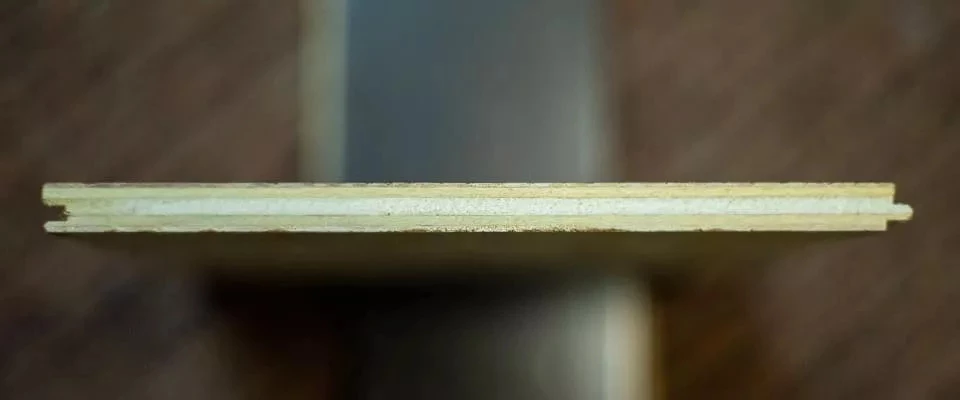
- 5-Ply Core — Adds two more layers for greater rigidity and improved resistance to warping. A popular mid-range option suitable for most residential applications, including radiant heat.
- 7-Ply or 9-Ply Core — Premium construction with maximum dimensional stability. These products often use birch or poplar plies and support below-grade and commercial use.
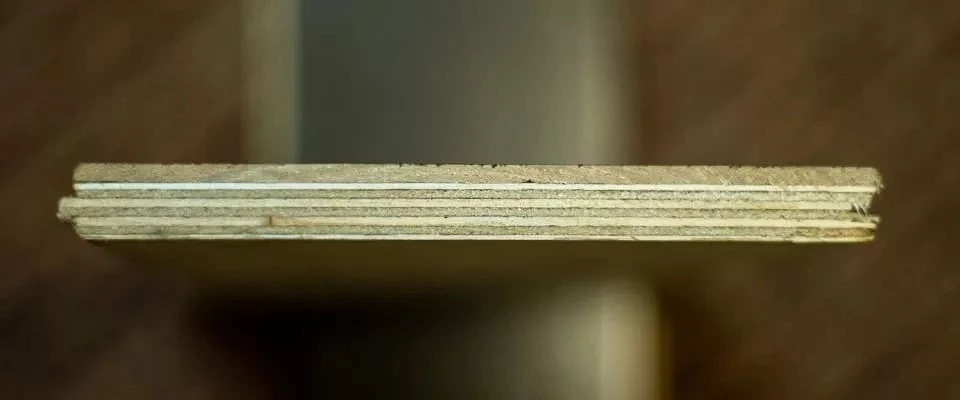 HDF Core — A single, dense layer of compressed fibers. Smooth bonding surface for the veneer, but less moisture-resistant than plywood. Best for controlled indoor environments.
The total dimension of a plank (including veneer, core, and backing) typically ranges from 3/8 inch to 3/4 inch. Thicker products feel more substantial underfoot and produce less hollow sound, though they also raise the height of the floor. Keep track of that when planning to transition from room to room with different flooring materials.
Choosing Plank Dimensions
These products are available in a wide range of widths and lengths. Narrow strips (2-1/4 inches) echo classic strip layouts, while wide formats (5 to 9 inches) create a contemporary, open feel. Extra-long pieces (up to 86 inches) minimize end joints and produce an expansive visual flow.
When selecting dimensions, consider the room size and layout when planning your installation. Wider, longer pieces make small rooms appear larger, while narrower ones add a sense of detail to spacious areas. Random-length packaging mimics the natural variation of traditional surfaces and reduces waste during the process.
- Narrow strip (2-1/4") — Classic, traditional look suited to formal rooms
- Standard plank (3" to 5") — Versatile middle ground for any room style
- Wide plank (5" to 9") — Contemporary appeal that opens up smaller spaces
Surface Treatments and Finish Types
The finish on any engineered hardwood surface determines sheen level, scratch resistance, and maintenance requirements. Modern technology offers a spectrum of looks—from high-gloss to matte, hand-scraped textures. Below are the primary categories.
- UV-Cured Polyurethane — The most common factory-applied option. Offers excellent scratch and stain resistance in either satin or semi-gloss sheens.
- Aluminum Oxide — An ultra-hard mineral additive mixed into the polyurethane for commercial-grade durability. Ideal for high-traffic areas and pet owners.
- Oil-Based Finish — Penetrates rather than forming a surface film, creating a natural, low-sheen look. Requires periodic re-oiling but is easy to spot-repair.
- Hardwax Oil — Combines natural oils and waxes for a matte, European-style look. Popular in Scandinavian and modern farmhouse interiors.
Pre-Finished vs. Site-Finished
Pre-finished engineered products arrive ready to place, with all coatings applied and cured at the factory. This approach saves time and eliminates the dust and fumes associated with on-site work. Site-finished options are placed raw and then sanded, stained, and sealed in place. Site finishing allows for perfectly seamless surfaces with no micro-bevels between pieces, plus unlimited custom stain colors.
Most residential projects favor the pre-finished route for convenience and predictability. Site finishing is preferred when a completely flat, custom-colored result is the priority—common in high-end remodels where the homeowner wants a color-matched look throughout the entire home.
How to Install These Floors
One of the greatest advantages of engineered hardwood is the variety of installation approaches these products support. The approach you choose depends on your subfloor type, room location, and personal preference. Each approach has distinct benefits and trade-offs.
Click-Lock, Glue-Down, and Nail-Down
The three primary approaches are click-lock (floating), glue-down, and nail-down. Here is a quick comparison.
| Approach | Subfloor Compatibility | Difficulty | Best For |
|---|---|---|---|
| Click-Lock (Float) | Concrete, plywood, existing surfaces | DIY-friendly | Basements, rentals, quick projects |
| Glue-Down | Concrete, plywood | Moderate | Kitchens, large open areas |
| Nail-Down | Plywood or OSB only | Professional | Above-grade substrates |
Click-lock installation is the fastest method and requires no adhesive or fasteners—pieces simply snap together over an underlayment. This makes engineered wood the preferred choice for DIY projects and rental properties where the surface may need to be removed later. However, a floating layout can produce a slightly hollow sound underfoot without a quality underlayment.
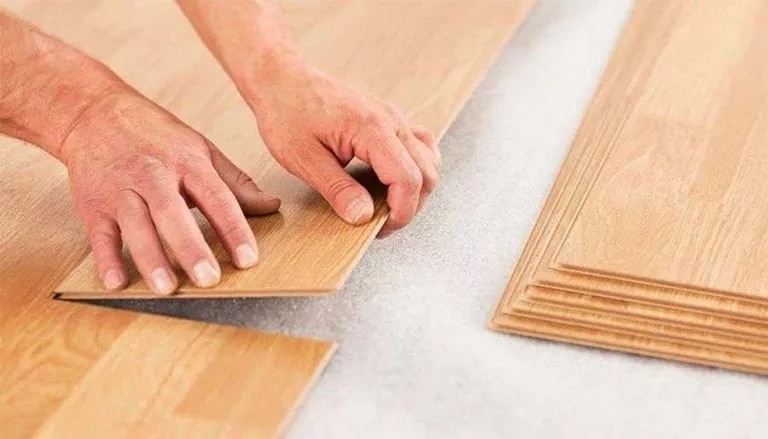
Glue-down bonds each piece directly to the subfloor with a flexible adhesive, creating a more stable, quiet feel. This hardwood installation approach is recommended for concrete slabs and radiant heat systems. Nail-down is the traditional method used on substrates, driving cleats through the tongue of each piece for a secure connection. Both glue-down and nail-down are typically handled by professional installers.
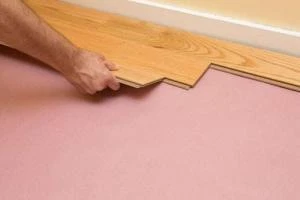
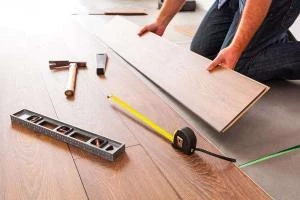
- Check subfloor moisture levels before starting
- Remove baseboards and door trim for a clean perimeter
Regardless of the approach chosen, proper acclimation is essential. Most manufacturers recommend leaving unopened boxes in the space for 48 to 72 hours before beginning. Skipping acclimation is one of the most common causes of post-project gaps and buckling.
Pricing and Value
Engineered hardwood materials typically run between $3 and $14 per square foot, with professional placement adding another $3 to $8 per square foot depending on the approach and regional labor rates. Premium species like walnut and wide-format white oak fall at the higher end, while popular species in narrower widths offer excellent value at mid-range price points.
- Budget tier ($3–$6/sq ft) — Red oak or maple in narrow-strip format with an HDF core. Solid entry point for cost-conscious projects.
- Premium tier ($10–$14/sq ft) — Wide walnut, hand-scraped hickory, or European oak with a 9-ply core and hardwax-oil finish. Maximum durability and visual impact.
When comparing pricing against a solid alternative, remember that floating installation often runs lower because it eliminates the need for a plywood subfloor overlay. Over the life of the surface, total ownership expense depends heavily on how many times you plan to sand—a factor controlled by the veneer.
Frequently Asked Questions
Common Concerns and Misconceptions
Is this type made from genuine timber? Yes. Every engineered plank features a top layer of real hardwood, making this a genuine wood product. The veneer is sliced from the same species used in solid products—maple, walnut, hickory, and others. Only the core beneath the surface uses composite materials like plywood or HDF.
Engineered wood floors can be sanded and recoated if the veneer is 2 mm or thicker. Products with veneers of 4 mm to 6 mm may support two to three full sanding cycles, making refinishing straightforward. Micro-veneers under 1 mm typically cannot be sanded but may receive a light buff and fresh coat.
You can place these surfaces on any level of the home, including basements. They are compatible with concrete slabs, plywood subfloors, existing tile, and radiant heat systems. The only limitation is areas with standing water, such as full bathrooms, where waterproof alternatives may be more appropriate.
With proper maintenance, a well-made engineered product typically lasts 20 to 40 years in a residential setting. The lifespan depends on the veneer, finish quality, foot traffic, and upkeep. A surface that has been properly cared for and periodically refreshed can rival any premium alternative in durability.
White oak is widely considered the best all-around choice because of its hardness, moisture resistance, and neutral color palette. However, the ideal species depends on your design goals: walnut for warmth and luxury, hickory for rustic durability, maple for clean contemporary lines, or an exotic option for a dramatic statement.
Maintaining engineered hardwood surfaces is straightforward. Regular sweeping or vacuuming removes grit that can scratch the finish. Damp mopping with a manufacturer-approved cleaner keeps everything looking fresh without introducing excess moisture.
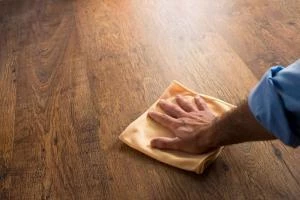
- Sweep or vacuum daily in high-traffic areas
- Use felt pads under all furniture legs
- Place mats at entry points and in front of kitchen sinks
If scratches or dents appear, a screen-and-recoat process can restore the engineered wood finish without full sanding. For deeper damage, hardwood planks with a thicker veneer can be restored using traditional sanding. A properly maintained surface can last 30 years or more—comparable to solid alternatives in most residential environments.
Avoid dragging heavy furniture, and keep pet nails trimmed to minimize surface scratches. In rooms with direct sunlight, UV-protective window coverings slow color fading and preserve the natural beauty of your hardwood over time.
Explore our complete product directory, including all engineered options, solid wood selections, luxury vinyl, laminate, bamboo, and cork. Our showroom features samples from leading manufacturers including Shaw, Mohawk, Armstrong, Bruce, Kährs, Carlisle Wide Plank, Mullican, Somerset, Mercier, and Mirage.
Browse by room type: living room, bedroom, kitchen, dining room, hallway, home office, basement, and entryway. Need help choosing? Use our materials calculator to estimate quantities, or visit our room visualizer to preview different species in your space. You can also read customer reviews and check our full placement guide for step-by-step instructions.
Additional topics worth exploring: acclimation best practices, underlayment selection, vapor barrier requirements, floating layout tips, choosing the right adhesive, comparisons with tile, tile alternatives, sustainable options, FSC-certified choices, formaldehyde-free products, the Janka hardness scale explained, sanding and recoating expenses, waterproof options, European species guide, and herringbone patterns.
Looking for professional help? Connect with certified installers in your area, request a free in-home estimate, or call our specialists for personalized advice on your project. We also offer financing options and extended warranty programs. Check our current promotions for seasonal discounts on popular collections, accessories, and services.
Stay connected with the latest in design and innovation through our Instagram, Pinterest, Facebook, and YouTube channel. Our extended FAQ section covers dozens of additional questions about these products, solid alternatives, placement approaches, and ongoing care.